


the significance of indian contemporary art & how it differs from other forms of art
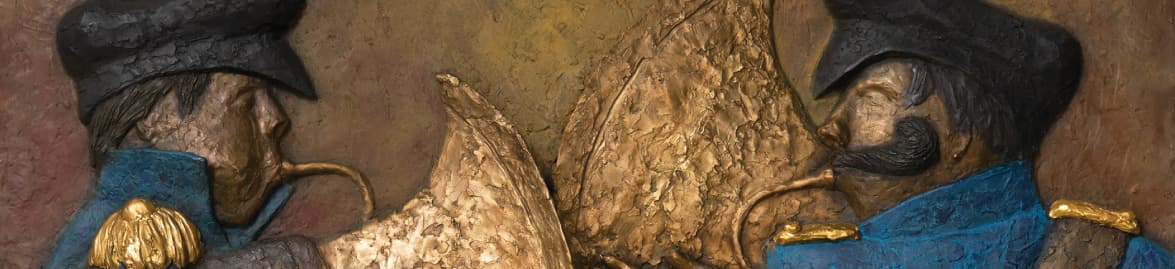
Indian contemporary art is ebullient, ever-evolving within the precincts of world art, and occupies a special place within the cultural and aesthetic configuration of the 21st century. Its importance is layered, entwining historical roots, socio-political commentary, and dynamic exchange with global trends. The understanding of its importance has to be found through the way it differs from other forms of art and what makes it different and a powerful medium of expression.
• Historical Evolution & Context
It would not be possible to appreciate Indian contemporary art without putting it into historical context. It is born out of a tapestry of traditional Indian artistic expression, which in turn has always been deeply intertwined with the country's religious and cultural practices. The nature of traditional Indian art—indeed, its very soul—was always a product of its times, whether one looks at the ancient murals of Ajanta and Ellora or the intricate designs of Mughal miniatures.
The Indian contemporary art movement only began to assume centre-stage importance in the latter half of the 20th century, especially after post-independence. That was the time when Indian artists began experimenting with newer forms and mediums—gradually leaving traditional ones, to plunge into the modernist and postmodernist practice. This movement was influenced by global art movements like abstract expressionism and pop art, but it never lost its connection with Indian culture and history.
• Distinctive Features Of Indian Contemporary Art
1. Cultural Fusion and Hybridity
The most striking feature of Indian contemporary art is perhaps the marriage between its traditional and modern elements. Many Indian artists marry the use of indigenous motifs, techniques, and symbols with the latest themes and styles. This hybridity, taking visual language whose roots are in traditional aesthetics but whose meaning wrestles with issues of modernity, is an outstanding feature of Indian contemporary art. The use of traditional iconography in abstract forms is another example of this cultural synthesis, as is the incorporation of folk techniques into contemporary installation modes.
2. Socio-Political Commentary
Indian contemporary art is deeply concerned with socio-political issues. Themes such as identity, migration, gender, and urbanisation are the vehicles for various commentaries on the fast-changing socio-economic topography of India. Such critical engagement might pertain to the complexities and contradictions that arise in Indian society, which allow contemporary art to emerge as a powerful medium of social critique and dialogue. Artists like Subodh Gupta and Bharti Kher question and interrogate societal norms and injustices through their work, thus opening a window for the viewer to probe into issues at hand.
3. Diverse Mediums & Approaches
Media and techniques have also been greatly utilised by Indian contemporary artists, from the traditional use of painting and sculpture to more contemporary forms like digital art, installations, and performance art. This allows their artistic expressions and experimentation to range across a wide gamut of possibilities. The unconventional use of materials—such as found objects or recycled materials—can also be seen as a creative response to environmental and economic problems. Adaptation and innovation are the two primary characteristics for an understanding of Indian contemporary art.
4. Globalisation & Local Identity
Contemporary Indian art operates at the intersection of globalisation with local identity. At a time when Indian artists are thinking of mingling with global art or even participating in international exhibitions, the bond with their cultural selves is indeed very strong. The duality many times results in an intense interplay of influence between the global and the local, accounting for works that have both local and international resonance. The ability of the latter to weave through the complexities indeed makes it an essential part of the world art discourse.
• Comparison To Other Art Forms
The comparison of Indian contemporary art with other forms of art sheds light on a number of distinguishing factors. These are discussed below.
1. Traditional vs. Modern Approaches
While Indian art has typically been marked by adherence to certain techniques and themes, its contemporary variety is distinguished precisely by its departure from tradition. In fact, traditional Indian art adheres to strict iconographic rules and cultural symbols. In contrast, contemporary art is fluid and experimental, modelled on current global trends in art.
2. Cultural Context & Global Dialogue
Indian contemporary art has been special, fusing local cultural contexts with global dialogues. All other Western art forms of contemporary may focus more on either the local or even the individualistic themes, but Indian contemporary often draws from the rich historical and cultural heritage of this highly populous country. The result, therefore, is something so uniquely merged that it speaks to the broader perspective in the global art community.
3. Social & Political Engagement
While many forms of contemporary art from around the world deal with social and political issues, Indian contemporary art often does so in a manner most bountifully linked with its socio-political context. The Indian art scene is very uniquely positioned to comment on caste, communalism, and economic disparity—replicating complexities of a diverse society rapidly changing.
4. Medium & Technique
Indian contemporary artists are known to employ innovative materials and techniques, often derived from traditional practices combined with modern technologies. It is this experimentation with mediums—such as the use of traditional textiles in contemporary installations or the integration of digital elements—that separates Indian contemporary art from more conventionally rendered works.
• Significance Within The Global Art Scene
Indian contemporary art is very important in the world's scheme of things, not only because of its distinctive aesthetic but also for reflecting universal themes through a uniquely Indian perspective. It offers valuable insight into the socio-cultural dynamics of India while contributing to broader conversations about identity, globalisation and artistic innovation.
All this is underlined by the growing importance of this art form, which has been receiving increasing recognition on the international platform through different Indian contemporary artists. Exhibitions at prestigious venues, participation in global biennales, and collaborations with international artists further establish the position of Indian contemporary art in the global cultural dialogue.
Indian contemporary art is the ultimate reflection of the dynamic interplay between tradition and modernity, between local identity and global influence. The immense importance of this lies not merely in reflecting or critiquing the contemporaneous but, rather, in its capacity to engage and contribute to the world art scene. It is when one bridges the gap between historical heritage and modern experimentation that the clearest view into Indian contemporary art has continually amazed and inspired viewers all over the world.




