


tracing the oldest paintings in india - bhimbetka cave paintings
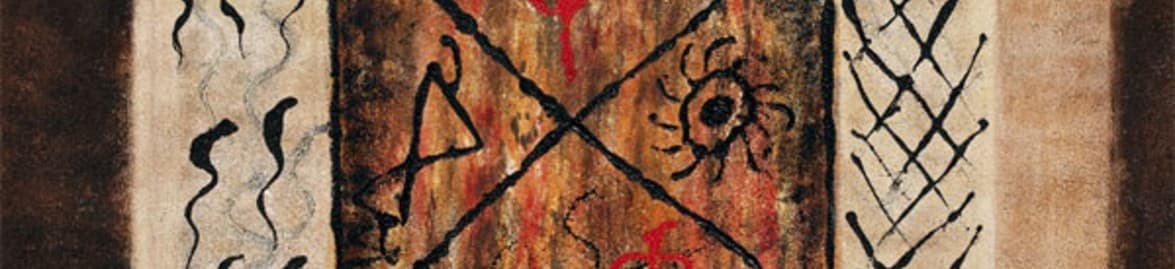
India, a land steeped in history and culture, boasts a rich tradition of art that dates back thousands of years. Among its many treasures are some of the oldest paintings in the world, offering glimpses into the lives, beliefs, and creativity of ancient civilizations. The Bhimbetka Cave Paintings, nestled in the rocky terrain of Madhya Pradesh, stand as the oldest known paintings in India, dating back to the Paleolithic age, nearly 30,000 years ago. These prehistoric artworks, etched and painted onto cave walls, depict scenes of daily life, hunting and rituals, revealing a profound connection between early humans and their environment. This article delves into the origins, techniques, and cultural significance of India's earliest paintings i.e Bhimbetka masterpieces and other ancient artworks across India, unraveling the vibrant threads that connect modern art to its ancient roots.
An Overview: Bhimbetka Cave Paintings
Bhimbetka Caves, located in the Raisen district of Madhya Pradesh, India, are a UNESCO World Heritage Site. Nestled in the foothills of the Vindhya mountain range, this archaeological site is an extraordinary repository of prehistoric art. The Bhimbetka Cave paintings were discovered by Dr. Vishnu Shridhar Wakankar in 1957 and later gained recognition for its archaeological and cultural significance.
Bhimbetka Cave Paintings Age
The Bhimbetka cave paintings are estimated to be around 10,000 to 30,000 years old, making them one of the oldest known examples of prehistoric rock art in India. The earliest paintings, believed to be over 10,000 years old, were created during the Stone Age by early hunter-gatherers using natural pigments like red ochre, white and green. Over time, new layers of artwork emerged, reflecting the evolving lifestyles and cultural practices of their creators. The depictions include scenes of hunting, dancing, rituals, and daily activities, offering invaluable insights into early human life and artistic expression.
The Phases of Painting
The paintings unearthed at Bhimbetka have been classified into 3 distinct periods i.e Upper Paleolithic Period, Mesolithic Period & Chalcolithic Period & then it was passed down to Early Historic & Medieval times.
• Upper Paleolithic Period - The earliest phase, dating back over 10,000 years, includes simple and minimalistic depictions of animals, human figures, and hunting scenes. The paintings were created using natural pigments, such as red and white, extracted from hematite and limestone.
• Mesolithic Period - Paintings from this era display more intricate details. Hunting scenes, featuring groups of men armed with bows and arrows, are particularly prominent. The depictions of animals, such as elephants, tigers, and deer, showcase the relationship between early humans and their environment.
• Chalcolithic Period - This phase marks a transition to a more advanced lifestyle. The paintings feature depictions of agricultural practices, domesticated animals, and communal gatherings, reflecting the societal evolution of the time.
• Early Historic Period - The paintings of this phase include symbols, scripts, and geometrical patterns, indicating the emergence of written communication. Religious and ritualistic themes also begin to appear.
• Medieval Period - The later phases exhibit more stylized art forms. The influence of established religions and dynastic cultures can be seen in the paintings from this period.
Materials & Techniques Used
The artists of Bhimbetka used natural pigments derived from minerals, plants, and other organic materials. Red and white were the most commonly used colors, created from hematite and limestone, respectively. Yellow and green pigments were derived from natural ochre and vegetable extracts.
The paintings were created using brushes made from twigs, feathers, or animal hair. The durability of these artworks is attributed to the chemical composition of the pigments and the natural protection offered by the rock shelters.
Themes & Motifs
The Bhimbetka paintings cover a wide array of themes, offering insights into the lives, beliefs, and environments of prehistoric humans. Some prominent themes include:
• Hunting Scenes: These are among the most common depictions and often feature groups of hunters armed with spears, bows, and arrows. The animals depicted in these scenes include bison, tigers, and boars.
• Dance and Music: Group dances and musical instruments are frequently illustrated, highlighting the social and celebratory aspects of prehistoric life.
• Animals: Wild animals such as elephants, deer, and leopards are portrayed with remarkable accuracy. The depiction of domesticated animals in later periods reflects the transition to agricultural societies.
• Symbolic and Religious Motifs: Some paintings include abstract symbols and geometric patterns, which are believed to have religious or ritualistic significance.
Iconic Depictions
• Hunting Scene - One of the most famous depictions in the Bhimbetka cave paintings is the hunting scene, a vivid representation of early human life. These paintings portray hunters in action, wielding bows and arrows, spears, and other primitive tools. The scenes often include groups of humans working collaboratively, reflecting the communal nature of hunting in prehistoric times. Animals such as bison, wild boars, and deer are prominently featured, showcasing the diverse fauna that existed in the region. These scenes are not just artistic renditions but also provide invaluable insights into the tools, techniques, and social structures of ancient communities.
• Dancing Scene - The dancing scene is another recurring motif in the Bhimbetka cave paintings. These depictions highlight the cultural and ritualistic aspects of prehistoric life. Groups of humans are shown dancing in circular formations, often accompanied by musical instruments. These scenes are thought to represent celebrations, religious rituals, or communal bonding activities. The dynamic postures and expressive gestures of the figures convey a sense of rhythm and movement, showcasing the artistic skills of the early painters.
Significance Of The Bhimbetka Cave Paintings
The Bhimbetka Rock Shelters hold immense archaeological, historical, and artistic significance:
• A Window into Prehistoric Life - The paintings provide a visual narrative of early human life, offering insights into their daily activities, beliefs, and interactions with the environment.
• Cultural Continuity - The overlapping layers of paintings illustrate the continuity of cultural practices over thousands of years, bridging the gap between prehistoric and historic periods.
• Artistic Evolution - The nine phases of painting reflect the progression of artistic techniques and the evolution of human creativity.
• Historical Importance - These paintings serve as a chronicle of early human civilization in India, marking a significant chapter in the history of art and culture.
Cultural & Anthropological Insights
The Bhimbetka paintings are more than just artistic expressions; they are a window into the lives of prehistoric humans. They reveal:
• Social Organization: The communal activities depicted in the paintings suggest a strong sense of community and cooperation among early humans.
• Environmental Awareness: The detailed portrayal of flora and fauna indicates a deep understanding of the natural environment.
• Spiritual Beliefs: The presence of symbolic and ritualistic motifs points to the early development of spiritual and religious practices.
Preservation & Challenges
Despite their historical importance, the Bhimbetka cave paintings face numerous challenges:
• Natural Erosion: Weathering and exposure to the elements threaten the integrity of the rock surfaces.
• Human Interference: Unauthorized access and vandalism have caused damage to some paintings.
• Neglect: Inadequate funding and conservation efforts pose a significant threat to the preservation of this invaluable heritage.
Efforts are being made by UNESCO and the Archaeological Survey of India (ASI) to protect and promote the site, ensuring that these ancient artworks continue to inspire future generations.
Comparisons With Other Cave Paintings In India
While Bhimbetka is the most prominent site for ancient cave paintings in India, other sites like the Ajanta and Ellora caves also showcase remarkable examples of Indian art. However, the Bhimbetka paintings stand apart due to their sheer antiquity and the continuity they exhibit across millennia.
The Ajanta paintings, for instance, belong to a much later period and are predominantly Buddhist in theme. In contrast, Bhimbetka's artworks span multiple epochs and provide a broader perspective on the evolution of art and culture in India.
Why Bhimbetka Matters Today
In today’s world, the Bhimbetka cave paintings serve as a reminder of humanity’s shared heritage and the enduring power of art. These paintings demonstrate how early humans used art as a medium to document their lives, express their beliefs, and connect with one another.
By preserving these 10,000-year-old paintings in India, we honor not only the artistic achievements of our ancestors but also their ability to adapt, innovate, and thrive in a challenging environment. The Bhimbetka Rock Shelters are more than just a site of archaeological importance; they are a bridge to our collective past and a source of inspiration for the present and future.
Conclusion
The Bhimbetka cave paintings are a priceless treasure, offering a glimpse into the lives and creativity of prehistoric humans. As the oldest Indian paintings, they hold a unique place in the history of art, showcasing the evolution of human expression over thousands of years. The hunting scenes, dancing scenes, and other depictions reflect not only the daily lives of early humans but also their social structures, cultural practices, and interactions with the natural world.
Preserving the Bhimbetka cave paintings are essential to safeguarding this extraordinary legacy. As we marvel at these ancient artworks, we are reminded of the timeless nature of human creativity and the enduring connection between art and life. The Bhimbetka cave paintings stand as a testament to the rich and diverse history of India, ensuring that the stories of our ancestors continue to resonate across time.




