understanding the depth in tyeb mehtas bull paintings
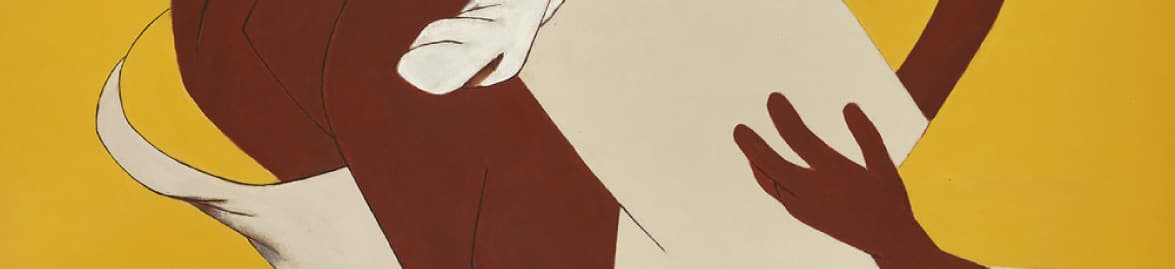
Tyeb Mehta's bull painting series stands as a cornerstone of modern Indian art, reflecting the profound emotional and symbolic depth that defined his work. These iconic paintings, marked by bold lines, vivid colours, and fragmented forms, explore themes of struggle, resilience, and existential tension. The bull, a recurring motif in Mehta's oeuvre, serves as a powerful symbol of both strength and vulnerability, embodying the artist's unique perspective on human and societal conflicts. By delving into Tyeb Mehta's bull paintings, one uncovers layers of meaning that transcend cultural and temporal boundaries, offering a window into the complexities of modern life and artistic expression.
Tyeb Mehta: The Artist Behind the Bull
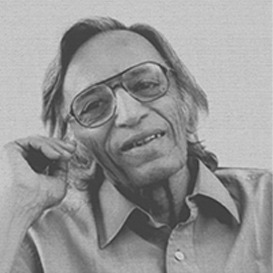 Tyeb Mehta was born on 26 July 1925 in Kapadvanj, Gujarat, India, and moved to Mumbai in the late 1940s, where he continued his education in art. Over the decades, his work evolved from early figurative pieces to later abstraction, yet it remained deeply concerned with the human condition. He was influenced by various Western modernist movements while remaining unapologetically rooted in his Indian identity. Mehta's work often mirrors the dilemmas of life, addressing themes of isolation, tension, and emotional turmoil.
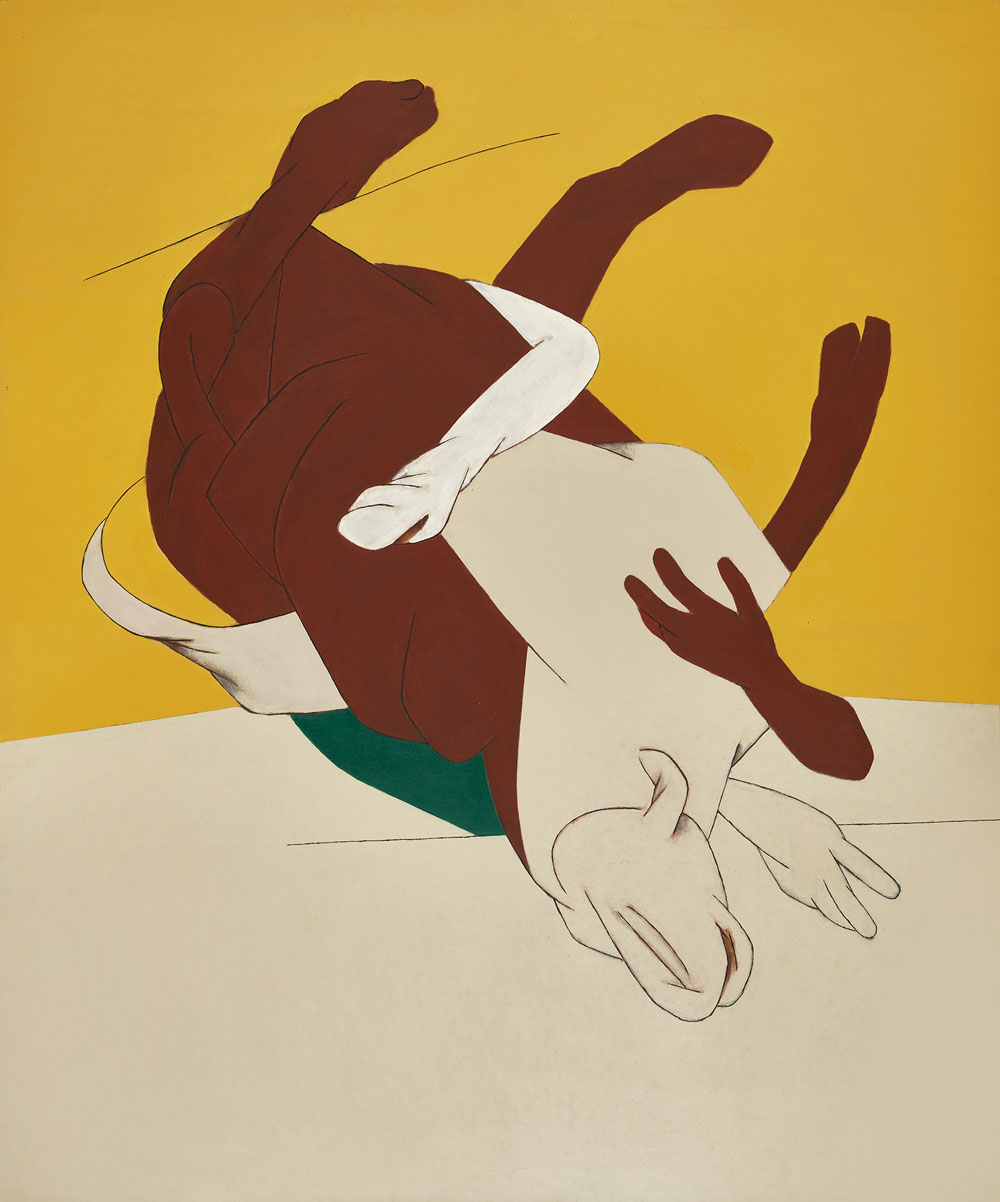
One of his most celebrated series focuses on the bull, through which he expresses how simple forms can evoke complex emotional landscapes. This series, created in the 1980s, draws from Mehta's fascination with the bull as a symbol of strength and raw power, as well as its vulnerability and the violent connotations often associated with it. This makes the series a pertinent commentary on personal and social conflicts.
The Bull as a Metaphor for Conflict
 The bull is a complex symbol in Indian culture, associated with power, masculinity, and vitality. In Hinduism, the bull is believed to be the companion of Lord Shiva, representing strength and loyalty. However, bulls are also significant in contexts of aggression and violence, such as bullfighting and animal sacrifice. Mehta's use of the bull symbol is informed by these contradictory elements, drawing on both cultural and psychological narratives.
In Mehta's works, the bull transcends its physical form to become a metaphor for inner turmoil, emotional struggle, and societal aggression. Often, the shape of the bull appears contorted or distorted, conveying a sense of struggle and suffering. The emotional intensity is expressed through bold lines, sharp contrasts, and striking compositions. The bull, caught between its natural force and the violence surrounding it, embodies the tension between strength and vulnerability, making Mehta's bull paintings emotionally charged.
Strong Colour and Form
In the bull series, Tyeb Mehta's use of colour and form plays a significant role in the emotional impact of the works. His robust palette, primarily featuring reds, oranges, and blacks, conveys urgency and intense emotion, colours often linked with violence and passion that characterise the chaotic life of the bull.
Mehta pushes abstraction further to heighten emotional resonance. While still depicting the bull realistically, he reduces its form into geometric shapes, creating a sense of fragmentation. Angular lines, sharp edges, and dramatic compositions suggest movement and instability within the painting. The bull's body language often reflects frustration and powerlessness, mirroring the emotional state of the subject.
This psychological dimension of the bull's form resonates with the internal conflicts experienced by individuals in society, highlighting the contradictions between emotional urges and external expectations.
Themes of Violence and Aggression
Violence and aggression are dominant themes in Tyeb Mehta's bull paintings. These themes extend beyond physical conflict to encompass the emotional violence that characterises human existence. The bull is often depicted in moments of violent movement, symbolising the interplay between external aggression and internal strife. The violence portrayed is both physical and psychological, representing the bull's struggle against its instincts and the forces that seek to control it.
Mehta's art reflects the chaos and instability of the world, where individuals and communities are engaged in a constant struggle for power, control, and survival. His paintings suggest that aggression is a natural response to turmoil, yet it can also lead to disintegration and suffering. Through the lens of the bull's aggression, Mehta invites viewers to reflect on violence in both personal and social contexts.
Emotionally, Mehta's bull paintings resonate with the realisation of these violent forces within each individual. The bull's fury mirrors the internal battles humans face between destruction and restraint.
Cultural Context and Emotional Resonance
While Mehta's bull paintings can be understood universally, they also carry specific cultural connotations. In Indian culture, the bull occupies a dual space—it is both revered and feared, respected and exploited. It embodies the tension between the sacred and the profane, making it a powerful vehicle for themes of human suffering, sacrifice, and the conflict between the spiritual and the material.
This cultural context enriches the emotional depth of Mehta's bull paintings. The bull, in its various representations, serves as a metaphor for the complex forces at play in Indian society: the tension between tradition and modernity, the sacred and the profane, and the individual and the collective. Through these cultural and emotional themes, Mehta creates a body of work that resonates with viewers on both personal and societal levels.
Conclusion
Tyeb Mehta's bull paintings are an exploration of emotion, conflict, and cultural symbolism. By employing colour, form, and metaphor, Mehta portrays the bull as a figure representing the internal and external battles that define our lives. The bull series transcends mere artistic representation of an animal; it serves as a profound commentary on the nature of aggression, violence, and the fragile balance between power and vulnerability.
Through these works, viewers are challenged to reflect on their own emotional landscapes, the forces that shape their identities, and the societal pressures that define their experiences. Tyeb Mehta's bull series is not just art; it is an emotional experience that transcends the canvas, prompting us to confront the deep and often painful truths of existence. In doing so, Tyeb Mehta invites us to engage with the complexities of life, encouraging a deeper understanding of ourselves and the world around us.