v s gaitonde - master of abstract expressionism
.jpg&w=3840&q=75)
V S Gaitonde is widely regarded as one of India’s most influential abstract painters, whose visionary practice significantly shaped the trajectory of modern Indian art. Renowned for his contemplative, non-representational works, Gaitonde broke away from traditional Indian art forms to develop a deeply introspective and singular approach to abstraction. His early paintings, characterized by linear and geometric elements, revealed a nuanced dialogue between realism and abstraction as he experimented with a range of stylistic and conceptual frameworks. Celebrated for their serene compositions, luminous surfaces, and philosophical depth, Gaitonde’s works continue to affirm his legacy as a seminal figure in 20th-century Indian art.
Unique Painting Technique
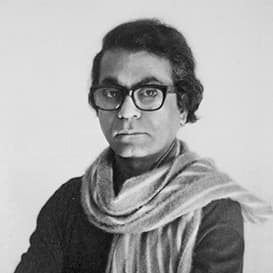 V S Gaitonde's technique was meticulous and time-consuming. He would layer his canvas with multiple coats of white to create an intense reflective surface, enhancing the luminosity of the colors. He then applied opaque and translucent colors using rollers and palette knives, allowing them to interact and form unique patterns. This process was so intricate that he could only complete five to six paintings a year. His approach was deeply rooted in Zen Buddhism, which emphasized the importance of the present moment and the meditative nature of the creative process.
Abstract Techniques and Style
V S Gaitonde's abstract paintings are characterized by their vibrant color palettes and dynamic compositions. He often employed a technique called "dripping" or "pouring" allowing paints to flow and interact on the canvas. This spontaneous approach resulted in unique textures and layers, creating a sense of movement and depth.
Evolution of Style
During the 1960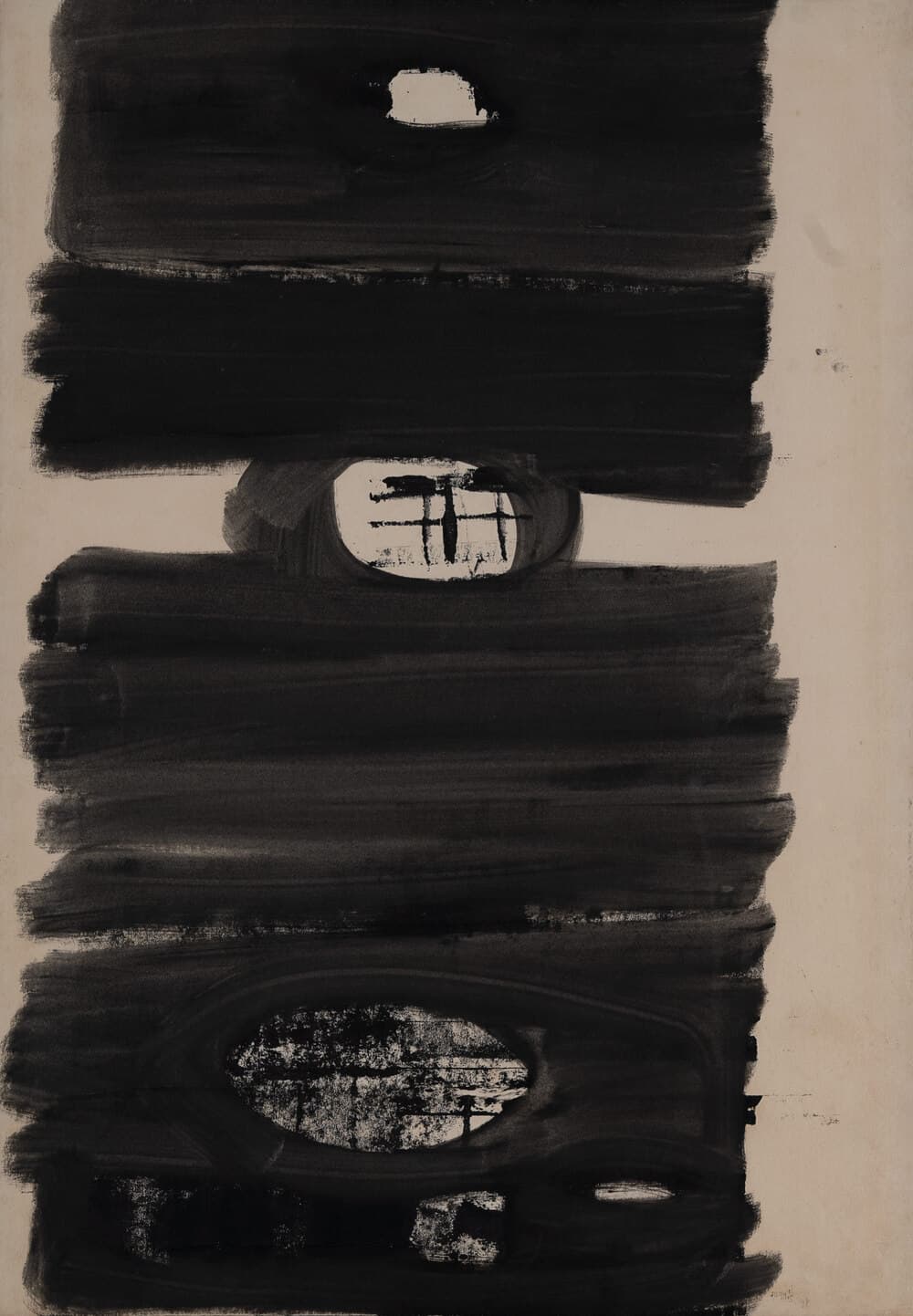 s, V.S. Gaitonde’s artistic practice evolved to reflect a deeper and more deliberate engagement with abstraction. He began experimenting with innovative techniques, including a distinctive “lift-off” process, wherein he transferred pigment from cut-out pieces of newspapers and magazines onto the canvas. This method fused Indian aesthetic sensibilities with Western modernist influences, resulting in compositions that were both ethereal and richly textured.
This period marked a decisive shift away from representational art. Influenced by European abstract masters such as Paul Klee, Wassily Kandinsky, and Piet Mondrian, Gaitonde increasingly embraced non-representational forms. His work became a meditative exploration of color, texture, and spatial harmony. For Gaitonde, abstraction was not merely a stylistic choice but a philosophical one, he believed it offered a deeper mode of emotional and spiritual expression, one that transcended the limitations of traditional forms and narratives.
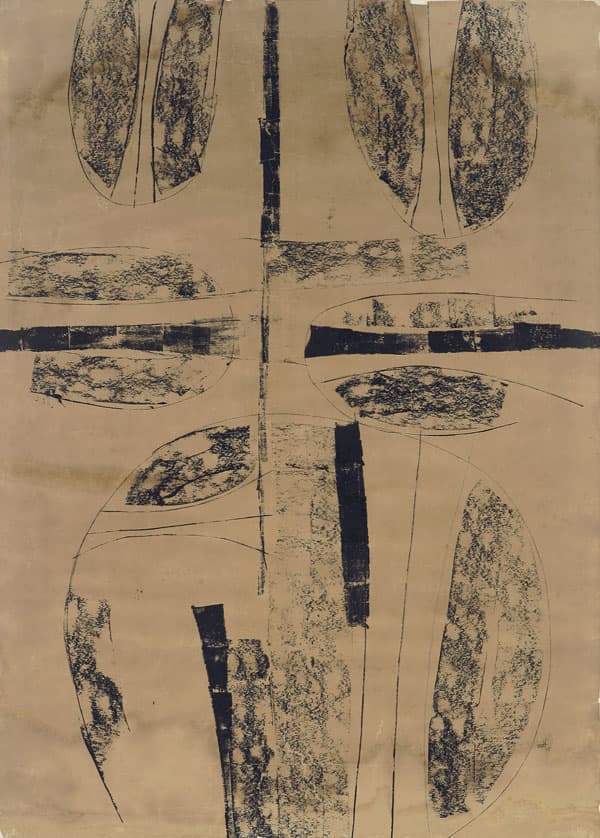
By the 1970s, Gaitonde had fully immersed himself in abstraction. His paintings from this era are characterized by a minimalist aesthetic and profound contemplative depth. Utilizing delicate lines, subtle geometric forms, and muted tonal palettes, he created works that evoke a quiet, introspective stillness. This period is widely considered the pinnacle of his artistic career, as his work garnered increasing recognition on both national and international platforms.
Philosophical and Artistic Legacy
V S Gaitonde’s paintings are often described as meditations on light and the universe, inviting viewers into a contemplative experience rather than presenting a specific story or subject. He resisted being labeled strictly as an abstract artist, preferring the term “non-objective” and insisting that his art should be experienced rather than interpreted. His commitment to exploring the ineffable through art set him apart in the Indian modernist movement and contributed to a broader dialogue between Eastern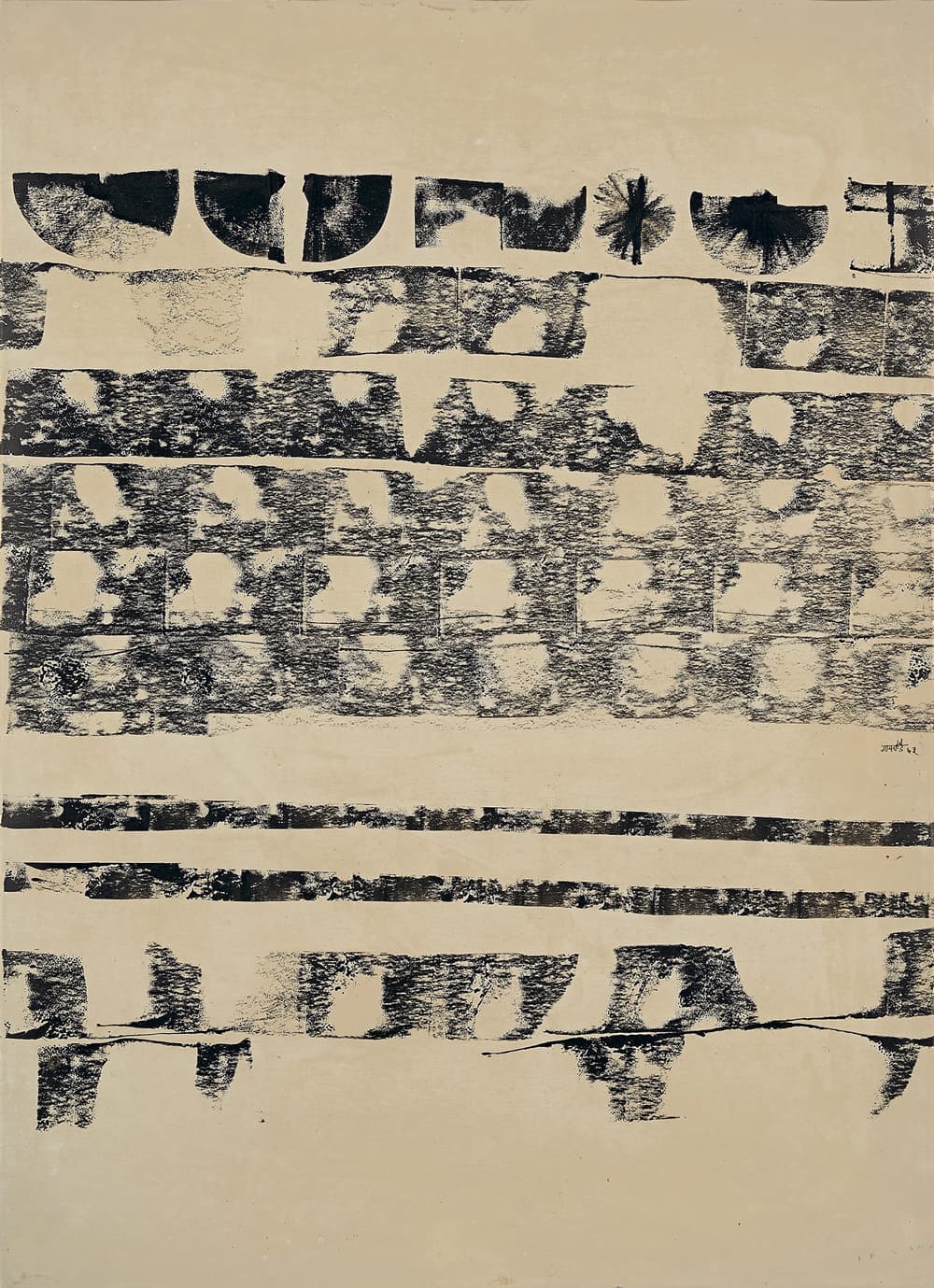 and Western artistic traditions.
Conclusion
V.S. Gaitonde’s pioneering contributions to abstract painting have left a lasting and transformative impact on the world of art. His singular vision, innovative techniques and profound philosophical perspective have firmly established him as a towering figure in modern Indian art. As his body of work continues to be studied and celebrated, it serves as a powerful testament to the ability of art to transcend cultural and temporal boundaries, stirring the deepest layers of human emotion and introspection.