what is a triptych? check out 10 famous triptych of all time
.jpg&w=3840&q=75)
Triptych Art: Origin, History, Significance & Famous Triptych Paintings
A triptych is an artistic format consisting of three distinct sections or panels, typically arranged side by side to form a single, cohesive work. The term "triptych" is derived from the Greek word triptychos, meaning "three-fold" or "three-layered." Traditionally, triptychs featured hinged panels, allowing the two outer sections referred to as wings to fold inward and cover the central panel. In contemporary practice, however, triptychs are often presented as three separate but adjoining panels without hinges.
This format is widely appreciated for its versatility in visual storytelling, enabling artists to depict narrative sequences, explore contrasting or complementary themes, and achieve compositional balance through its three-part structure. The concept of the triptych originally referred to Roman wax writing tablets designed in three foldable sections, serving both functional and aesthetic purposes.
Triptych Art
Triptych art is basically a composition of three panels, usually hinged together, designed to be viewed as a single cohesive piece. Originating in early Christian art, triptychs were commonly used as altarpieces, with the central panel typically portraying the most significant scene, while the two side panels provided additional context or narrative elements. This three-part format not only enhanced visual storytelling but also held symbolic significance, often representing the Holy Trinity in Christian doctrine. A renowned historical example is the Ghent Altarpiece by Hubert and Jan van Eyck, which exemplifies the narrative and artistic power of the triptych arrangement.
Importance of Triptych
The number three has inherent symbolic and compositional power in art. A triptych allows artists to structure a piece with a beginning, middle and end or to present three perspectives on a subject. The central panel typically carries the main focus, flanked by two related images that support or contrast with it. This layout creates a visual rhythm and balance that is both harmonious 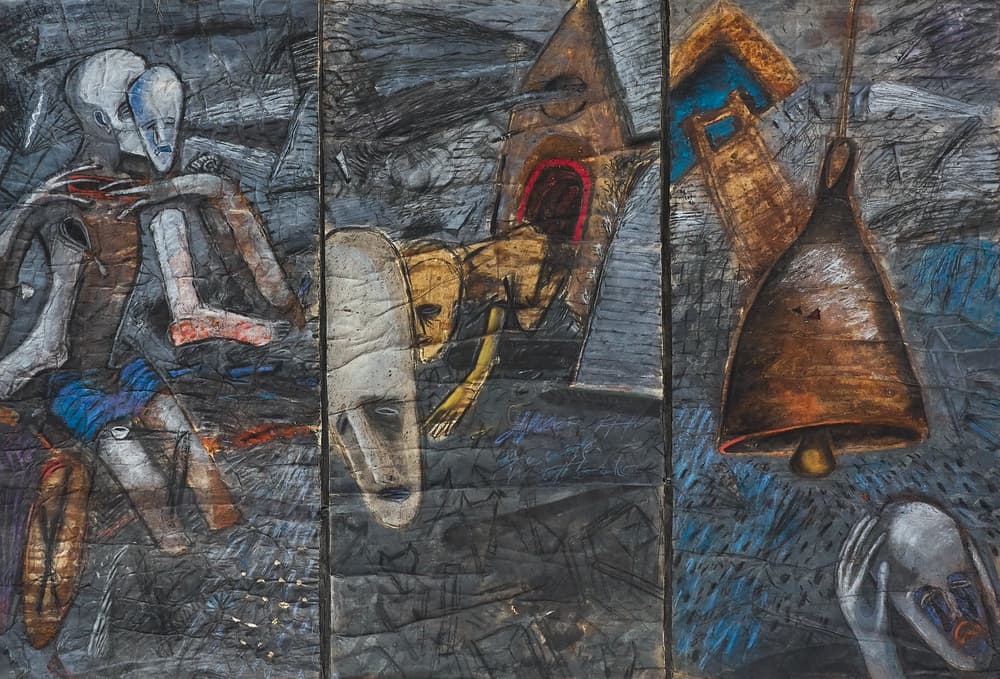 and dynamic, guiding the viewer’s eye across the panels and inviting deeper contemplation of the interconnected themes.
Characteristics of Triptych
• Three Panels: The most defining feature of a triptych is the presence of three separate panels, typically arranged horizontally or vertically.
• Unity and Contrast: While each panel can stand alone, the full impact of a triptych emerges when the panels are viewed together. They are often designed to complement one another, creating a dialogue between images or scenes.
• Hinged or Fixed: Historically, triptychs were often hinged, allowing the panels to close like a book. In modern art, triptychs are frequently displayed side by side as individual framed pieces, mounted on a wall.
Art Materials
Traditionally, especially during the Medieval and Renaissance periods, triptychs were created on wood panels, most commonly oak, poplar, or linden wood. Artists would prepare the wood surface with a layer of gesso, a mixture of chalk and glue, to create a smooth ground suitable for painting. In these early works, egg tempera was frequently used as the primary paint medium, though from the 15th century onward, oil paint became dominant, enabling richer color depth and more detailed techniques. To enhance the sacred or ornamental nature of religious triptychs, gold leaf was often applied, particularly for backgrounds or important figures. Structurally, many triptychs included metal hinges and wooden frames, allowing the panels to fold closed for portability or protection.
Wood remained the primary support material for triptych paintings well into the twentieth century. However, with changing artistic practices and materials, modern triptychs more commonly use stretched canvas as the support, providing greater flexibility and scale. Modern painters now often work with acrylic paint, gouache, and watercolor, in addition to oil paint, depending on the desired effect. Many contemporary triptychs incorporate mixed media, combining photography, digital prints, fabric, and found objects to expand the visual language of the form. Some also integrate transparent materials like glass or plexiglass, either for protective purposes or as part of the artistic composition. Though less common, sculptural triptychs exist as well, crafted from materials such as bronze, wood carving, or stone, and may feature hinged elements or three-dimensional mounts. Overall, the materials used in triptych art have evolved significantly, from tempera on wooden panels to acrylics and mixed media on canvas, reflecting both technological advances and shifting artistic styles.
Triptych in Other Media
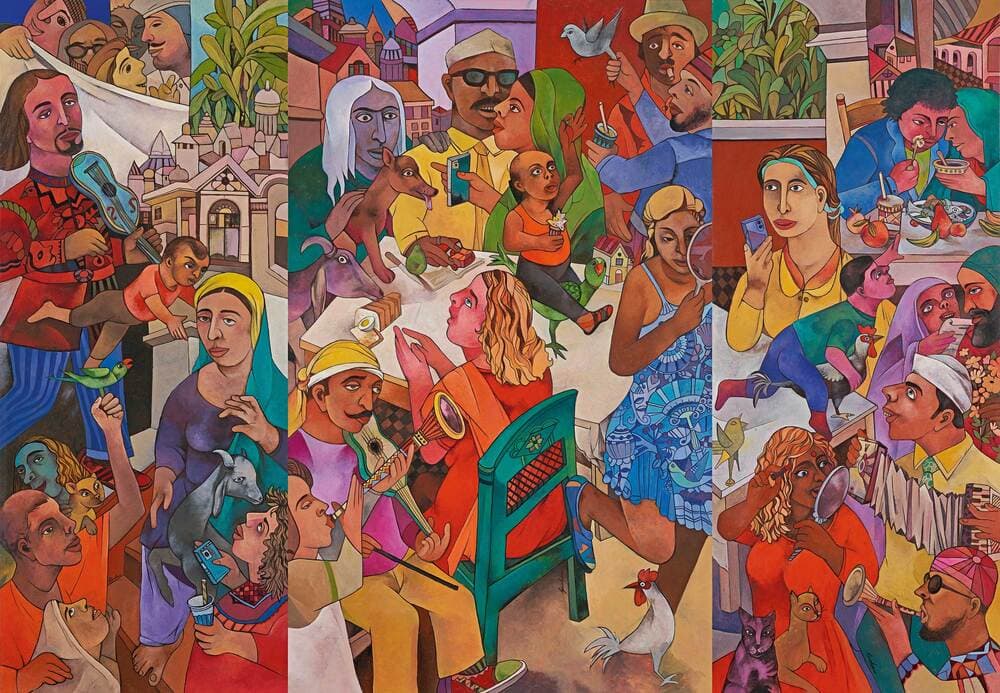 Beyond painting and photography, the triptych structure is embraced in other art forms such as film, literature, and digital media. Filmmakers may create a triptych-style movie, dividing the narrative into three segments that explore different characters or timelines. Writers may structure a novel in three distinct parts, each providing a new viewpoint or chapter in the story.
Having explored the definition, origins, and historical significance of the triptych as an artistic format, it becomes clear why this structure has remained so influential over the centuries. Its ability to convey complex narratives, highlight contrasts, and offer visual harmony has inspired countless artists across different periods and styles. To better understand the impact of the triptych in the art world, let us now examine 10 of the most famous triptychs in art history masterpieces that exemplify the power and versatility of this enduring form.
Modern Usage of Triptych
While the triptych originated in religious contexts, the format has evolved to encompass secular themes in contemporary art. Today, artists use triptychs to explore storytelling, contrast, or thematic progression across three panels. Each section can present a different perspective, time frame, or visual approach, encouraging viewers to engage with the work both individually and as a cohesive narrative.For example, a modern photographer might display a triptych of urban landscapes at dawn, noon, and dusk, showcasing the passage of time and changing light.
10 Most Famous Triptych in Art History
1. The Garden of Earthly Delights
Artist: Hieronymus Bosch (c. 1490 – 1510)
The most famous triptych in the history of art world is generally considered to be "The Garden of Earthly Delights" by Hieronymus Bosch. Created between 1490 and 1510, this iconic triptych is known for its complex allegory exploring themes of sin, temptation, and redemption. The left panel depicts the Garden of Eden with Adam and Eve, the central panel reveals a fantastical and crowded scene of earthly pleasures and sins, and the right panel portrays the torments of hell. This work remains one of the most celebrated and studied triptychs, housed in the Museo del Prado in Madrid, Spain.
2. The Isenheim Altarpiece
Artist: Matthias Grünewald (1512–1516)
Commissioned for the Monastery of St. Anthony in Isenheim, this triptych was created to comfort patients suffering from ergotism. The central panel shows the Crucifixion of Christ in stark, emotional detail, while the side panels depict scenes from the life of St. Anthony and the Resurrection. Its intense color and emotion make it a standout work of Northern Renaissance art.
3. The Merode Altarpiece
Artist: Robert Campin (c. 1425–1428)
One of the earliest known Northern European triptychs, the Merode Altarpiece presents a quiet and domestic Annunciation scene. The central panel shows the angel Gabriel visiting Mary, flanked by two wings showing the patrons who commissioned the work and Joseph at his workshop. The attention to detail and domestic setting reflect early Netherlandish realism.
4. The Haywain Triptych
Artist: Hieronymus Bosch (c. 1512–1515)
Another masterpiece by Bosch, this triptych portrays humanity’s folly and greed. The central panel focuses on a massive haywain (hay cart), with people scrambling around it in a chaotic, allegorical depiction of sin. The outer panels show the Garden of Eden and Hell, reinforcing Bosch’s moral message.
5. The Ghent Altarpiece (Adoration of the Mystic Lamb)
Artists: Hubert and Jan van Eyck (1432)
Although technically a polyptych, its central structure is often treated as a triptych. The Ghent Altarpiece is one of the most celebrated and elaborate works of Northern Renaissance art, with vivid color, exceptional realism, and complex iconography. The central panel famously shows the adoration of the Lamb of God, symbolizing Christ’s sacrifice.
6. Triptych of Garden Saints
Artist: Hieronymus Bosch (c. 1485)
While lesser-known than his other major works, Bosch’s Triptych of Garden Saints is significant for its vivid portrayal of visionary landscapes. The panels combine religious figures with Bosch’s signature surreal style, bridging the gap between medieval and modern imagery.
7. Die Kreuzigung (The Crucifixion Triptych)
Artist: Rogier van der Weyden (c. 1440)
This early Netherlandish triptych offers a deeply emotional representation of Christ’s crucifixion. The figures on either side of the central crucifixion scene reflect profound grief and devotion. Van der Weyden’s emphasis on facial expression and human emotion became highly influential for later European art.
8. St. John’s Altarpiece
Artist: Matthias Grünewald (c. 1515)
Another of Grünewald’s masterpieces, this triptych focuses on intense religious devotion and dramatic contrasts between light and dark. The central panel depicts the Crucifixion in a visceral, expressionistic style, while the wings show St. John the Baptist and St. John the Evangelist.
9. The Altarpiece of the Holy Trinity
Artist: Masaccio (c. 1426)
A key work of early Italian Renaissance painting, this triptych highlights Masaccio’s pioneering use of perspective and naturalism. The central panel presents the Holy Trinity, flanked by saints. The architectural structure and balanced composition influenced generations of Renaissance artists.
10. Triptych of the Temptation of St. Anthony
Artist: Hieronymus Bosch (c. 1500–1515)
This powerful triptych explores the torment of St. Anthony amid nightmarish visions. The central panel shows the saint beset by grotesque creatures, while the side panels provide more detailed scenes of temptation and torment. Bosch’s extraordinary imagination and moral storytelling make this a celebrated piece in triptych history.
Why Do Artists Choose Triptych
Artists choose triptych art for several compelling reasons. The triptych format enables a clear narrative structure, often presenting a story with a beginning, middle, and end across its three panels. This allows artists to explore themes, ideas, or events in a connected yet distinct manner, enhancing the depth and complexity of the artwork. The central panel typically serves as the focal point, with the side panels providing complementary or contrasting imagery, helping to guide the viewer’s focus and reinforce the overall concept.
Moreover, triptychs allow for visual harmony and balance, giving artists the opportunity to play with composition, color, and movement across the panels to create a cohesive and dynamic experience. The physical structure of three hinged panels also offers practical benefits: triptychs are easier to transport, store, and display compared to a single large canvas. Additionally, the format provides versatility in presentation, as panels can sometimes be arranged in different ways or displayed separately. Triptychs serve not only as a storytelling medium but also as a striking decorative piece that can transform any space by adding sophistication, movement, and personality. Their timeless appeal and adaptability make them a favored choice for artists aiming to combine narrative richness with visual impact.
Conclusion
A triptych is more than just three panels arranged side by side. It’s a thoughtful artistic choice that enables storytelling, juxtaposition, and harmony. From its religious roots to contemporary applications in visual art, literature, and film, the triptych remains a powerful format that continues to inspire creators and captivate audiences.