what is tempera in art? (5 key artists)
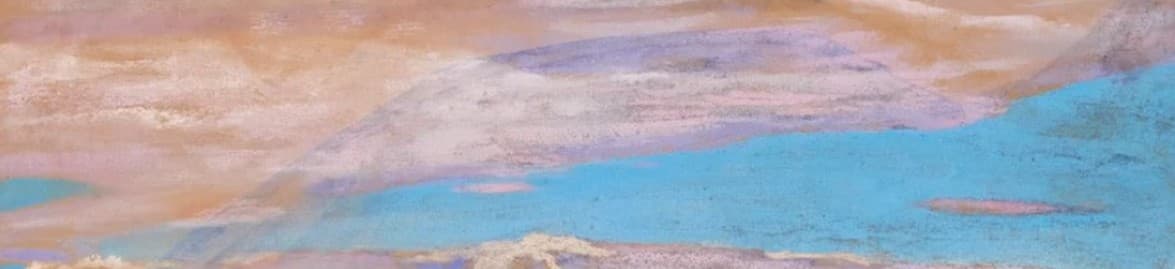
Tempera is a classical painting technique known for its vibrant color, durability, and historic significance. Used by ancient civilizations and reaching its peak during the European Middle Ages and Early Renaissance, tempera involves mixing pigments with a water-soluble binder such as egg yolk, resulting in a distinctive matte finish and fine detailing.
What Is Tempera?
Tempera is a painting medium made by mixing finely ground pigments with a binding agent, most famously egg yolk hence the term egg tempera. When applied to a prepared surface such as a wooden panel coated with gesso, tempera produces smooth, matte layers that dry quickly and retain their brilliance for centuries. Unlike oils, tempera cannot be blended easily once applied, so artists build up color using fine, layered strokes.
The result is a painting that resists fading and cracking, many of which remain vibrant even after hundreds of years. Tempera was especially popular during the Middle Ages and Renaissance before oil paint took over as the dominant medium in Europe.
Famous Artists Who Mastered Tempera
1. Giotto di Bondone (1267–1337)
Often considered the father of Renaissance painting, Giotto used tempera to break away from the flat, symbolic style of Byzantine art. His works, such as the frescoes in the Scrovegni Chapel (though fresco, not tempera, is dominant there), show how tempera allowed him to introduce volume, depth, and human emotion into sacred art.
2. Fra Angelico (c. 1395–1455)
Fra Angelico’s delicate tempera paintings are celebrated for their spiritual clarity and radiant color. His Annunciation panels showcase the luminous quality of tempera, where gold leaf and egg-based pigments combine to heighten the sacred atmosphere.
3. Sandro Botticelli (c. 1445–1510)
Botticelli’s The Birth of Venus and Primavera are quintessential examples of tempera on canvas. His mastery of fine lines, subtle shading, and ethereal color demonstrates the medium’s potential for mythological as well as religious storytelling.
4. Andrea Mantegna (1431–1506)
Mantegna used tempera to achieve sharp detail and sculptural realism in his work. His precision with the medium, visible in paintings like The Lamentation over the Dead Christ, highlights tempera’s ability to convey both drama and technical mastery.
5. Andrew Wyeth (1917–2009)
Though centuries later, the American realist Andrew Wyeth revived egg tempera in the 20th century. His paintings, such as Christina’s World, show the medium’s continued relevance. Wyeth used tempera’s quick-drying properties to create meticulous detail and a hauntingly quiet atmosphere.
Enduring Significance
Tempera’s historical importance lies in its role as the principal medium of Medieval and Renaissance Europe. Its meticulous process and brilliant visual impact reflect both artistic discipline and technical innovation across centuries. Though oil and acrylic paints now dominate most painting, tempera’s clarity and durability ensure its continued relevance for artists and historians alike.