Why Jadau Kundan Jewellery Remains a Timeless Trend

Few treasures in the world of fine adornment command the same awe, regal presence, and historical gravity as Jadau Kundan jewellery. A crown jewel of Indian heritage, this art form is not merely an accessory. It is a meticulous symphony of metallurgy, gem-setting and enamel artistry passed down through generations.
For the modern collector, bride, or connoisseur, navigating the world of traditional Indian jewellery can feel like stepping into a labyrinth of terms: Jadau, Kundan, Polki and Meenakari. This expert guide demystifies the craft, explores its royal lineage, breaks down the intricate creation process, and offers practical advice on distinguishing true mastery from clever imitations.
Understanding Jadau and Kundan Jewellery
Although often used together, “Jadau” and “Kundan” are not exactly the same.
What is Jadau Jewellery?
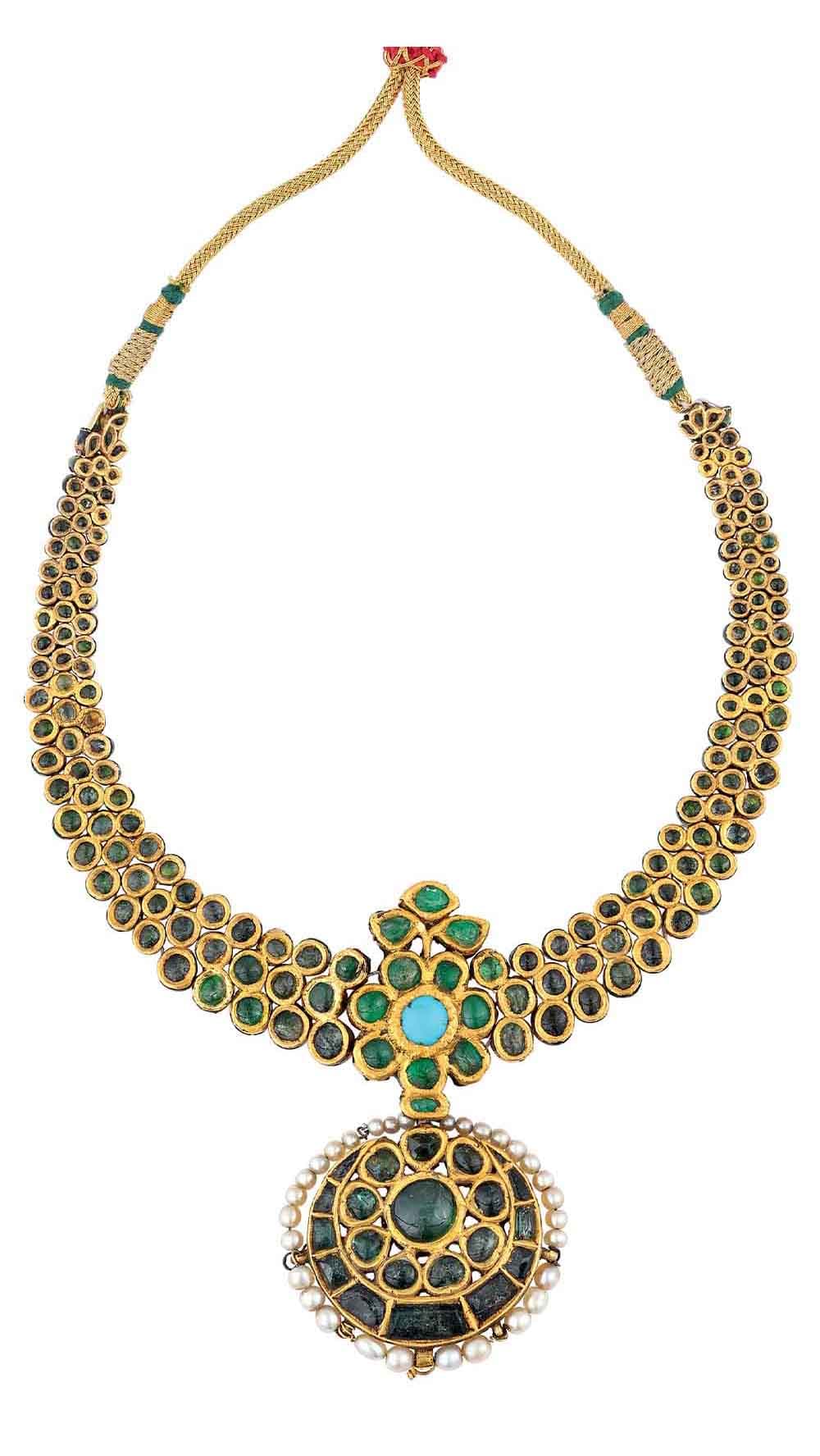 Jadau jewellery comes from the word jad, meaning “to embed.” It refers to the technique of embedding stones into softened gold without soldering. Jadau work is highly labor-intensive and traditionally handcrafted by skilled artisans.
In simple terms:
• Kundan = the gemstone-setting technique
• Jadau = the broader jewellery-making process involving embedded stones and handcrafted artistry
What is Kundan Jewellery?
Kundan jewellery refers to a traditional Indian gemstone-setting technique where highly refined gold foil is used to set stones into jewellery. The word “Kundan” itself means pure gold in Hindi.
This style typically features:
• Uncut diamonds (Polki)
• Emeralds
• Rubies
• Sapphires
• Glass stones
• Meenakari enamel work
Together, these elements form the iconic style known as Jadau Kundan jewellery.
Origins of Jadau Kundan Jewellery
The roots of Jadau Kundan jewellery trace back more than 400 years to the opulent Mughal Empire. Mughal emperors brought Persian design sensibilities characterized by symmetry, nature-inspired motifs, and intricate gemstone carving, and blended them with India’s existing gold-crafting traditions.
As the empire evolved, the art form found immense patronage in the princely states of Rajasthan and Gujarat. Royal courts established dedicated workshops for master craftsmen, providing them with access to pure gold and rare gemstones.
Cities like Jaipur, Bikaner, and Ahmedabad emerged as historic epicenters of the craft, preserving the heritage through centuries of cultural evolution.
The Making Process: Step-by-Step Artistry
An expert appreciation of Jadau Kundan jewellery begins with understanding its painstaking creation process, which involves multiple stages and specialist artisans.
1. Creating the Gold Alloy - Pure 24K gold is melted and alloyed with metals like silver and copper to create 22K gold, which offers durability while retaining its rich yellow hue.
2. Forming the Framework (Sadhai) - The gold is rolled into fine strips and carefully shaped into designs such as bangles, chokers, maang tikkas, or earrings by highly skilled artisans.
3. Base Preparation and Soldering - The shaped gold pieces are placed on a matching base and soldered, often supported with materials like plaster of Paris during this stage. The piece darkens due to carbon deposits and is later cleaned in acid to restore its shine.
4. Engraving and Detailing - Artisans sketch motifs onto the gold before carving intricate lines and cavities where stones will be set. Even a small pendant may require several hours of engraving.
5. Lac Filling and Stone Preparation (Jadai) - Lac, a resinous material, is filled into the cavities to act as a cushion and grip for the stones. Stones, often Polki diamonds, rubies, emeralds, and other gems, are shaped and adjusted to ensure a secure, flush setting.
6. Stone Setting and Kundan Work - Prepared stones are pressed into the lac, and ultra-thin Kundan gold foils are carefully pushed around them using heated metal tools. This creates smooth walls that lock each gem in place without visible glue or prongs.
7. Finishing, Polishing & Back Work - The jewellery is polished to an even sheen. Many high-end pieces also feature intricate Meenakari enamel work on the reverse side, making them beautiful from both front and back.
This process is almost entirely manual, which is why authentic Jadau Kundan jewellery cannot truly be replicated by machines.
Design Characteristics and Popular Motifs
Jadau Kundan jewellery is instantly recognizable for its:
• Dense stone setting: Richly encrusted surfaces with Polki and colored gemstones, leaving minimal plain gold visible
• Traditional Indian motifs: Lotuses, paisleys, peacocks, and Mughal-inspired architectural arches
• Dual-sided beauty: Premium pieces often feature gemstones on the front and intricate Meenakari work on the reverse side
• Royal scale: Elaborate chokers, raani haars, mathapattis, bajubands, and oversized jhumkas designed for bridal and ceremonial styling
An Expert’s Checklist: How to Verify Authenticity
Because the market is flooded with machine-made, gold-plated, and synthetic imitations, safeguarding your investment requires a discerning eye.
Inspect the Settings
Authentic hand-set Kundan features tiny natural irregularities under magnification. Machine-made imitations often appear overly perfect and uniform. The gold foil should sit flush against the stones without visible gaps.
Feel the Weight
Genuine Jadau Kundan jewellery is naturally heavy due to the solid gold framework, dense foil work, and internal lac base. Lightweight pieces may indicate the use of silver alloys, brass, or hollow copper.
Turn It Over
Examine the reverse side carefully. Authentic high-end Jadau often includes hand-crafted Meenakari enamel work. Cheap imitations may leave the back unfinished or use painted acrylic instead of fired enamel.
Demand Documentation
Never purchase high-value heritage jewellery without a certificate of authenticity detailing:
• Gold purity
• Stone specifications
• Natural vs. synthetic gemstones
Caring for Jadau Kundan Jewellery
Because of its lac core and high-karat gold composition, Jadau Kundan jewellery requires specialized care.
Avoid Water, Heat, and Chemicals
Prolonged exposure to moisture, heat, perfumes, or hairspray can weaken the lac and loosen stones.
Clean Gently
Wipe pieces with a soft, dry cloth. Avoid ultrasonic cleaners or harsh chemical solutions.
Store Carefully
Keep each piece separately in a padded jewellery box or soft pouch to prevent scratching and enamel damage.
Schedule Professional Maintenance
Periodic inspections by experienced craftsmen help ensure stones remain secure and settings stay intact over years of wear.
The Modern Renaissance: Styling Heritage Today
While historically associated with grand bridal ensembles and royal wardrobes, Jadau Kundan jewellery is experiencing a contemporary revival.
Modern designers are creating lighter, more wearable interpretations without compromising the essence of the craft. Today’s collections include:
• Lightweight kadas (bangles)
• Minimalist maang tikkas
• Contemporary statement jhumkas
• Versatile chokers suitable for modern styling
Fashion enthusiasts are no longer reserving these treasures exclusively for weddings. A bold Jadau Kundan necklace is now often paired with:
• Monochromatic Indo-Western pantsuits
• Minimal silk sarees
• Contemporary lehengas
• Fusion eveningwear
Final Thoughts
Jadau Kundan jewellery remains one of India’s most treasured jewellery traditions. Combining intricate craftsmanship, luxurious gemstones, and centuries-old artistry, it continues to evolve while preserving its royal essence.
Whether chosen for weddings, festive occasions, or personal collections, Jadau Kundan jewellery offers timeless elegance that transcends fashion trends. Its enduring appeal lies not only in its beauty, but also in the stories, traditions and craftsmanship embedded within every handcrafted piece.