a painters journey : the life, work & inspiration of atul dodiya

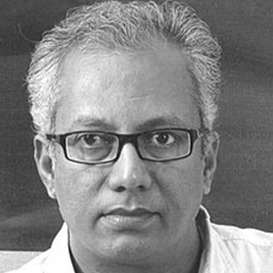 In recent times, India has borne a new form of art with names like Atul Dodiya that have taken the field in the historical experience of painting. Atul Dodiya has his art as a very unique approach to painting—a mix of tradition and modernity. His work dwells on a deep engagement with the identity of cultural narratives, personal experiences, and socio-political themes. Here we come to know about the life and background of Dodiya, his artistic journey, major themes, society has witnessed due to it, as well as his awards and recognition.
Artist Biography
Atul Dodiya, born in 1959 in Mumbai, India, is a prominent contemporary artist known for his innovative blend of traditional Indian art forms with contemporary techniques. He graduated with a Bachelor of Fine Arts from the Sir J.J. School of Art in 1982 and has since gained recognition for his diverse range of works, including paintings, installations, and sculptures. Dodiya's art often explores themes of identity, culture, and history, addressing contemporary social issues and engaging with historical narratives, particularly the impact of colonialism on Indian society. His notable series, such as "The Town," "The Portraits," and "The Shadow," reflect his engagement with modern Indian life. He has exhibited extensively, including at prestigious venues like the Venice Biennale and the Kochi-Muziris Biennale, with works featured in significant collections worldwide. Dodiya continues to live and work in Mumbai, where he draws inspiration from the city's vibrant cultural landscape, solidifying his reputation as a key figure in contemporary art.
Career Highlights
Dodiya's work was recognised and gained momentum during the late 1980s-early 1990s with his group shows in India. Shortly thereafter, the solo shows began to gather steam, and both within and outside India, his art was mounted in some of India's finest institutions, including the National Gallery of Modern Art in Delhi and the Museum of Contemporary Art in Australia, among others.
In 1997, he took part in the international exhibition "Indian Contemporary Art" at London's Royal Academy of Arts. This participation made his name much more visible in the international arena. Thereafter, he participated in several biennales, including Venice, and established himself as a significant figure in contemporary artistic life.
Artistic Journey
Dodiya continues to work in line with his influences, be it the initial confluences of his early practice with Indian miniatures or something distinct that brings collage, photography, and painting into an ensemble. His syncretism of diverse techniques has led to a rich vocabulary—both literal and visual—that is modern yet traditional at its core.
Dodiya has collaborated with many artists, filmmakers, and writers and has closely worked with each of them, thus enriching his worldview and expanding the limits of his imagination as an artist. This collaboration is not only rich for the creative space but also makes him more grounded in the world of art, within which he holds one of the flagship ranks of contemporary Indian art.
Important Themes Running Through His Work
Diverse themes revolve around his work, reflective of his engagement with identity, history, and culture, but often delve into deeper reflections on the human condition. The double life of cityness keeps surfacing: it is this idea of an exploration of the vibrancy and chaos of Mumbai whilst reflecting on the alienation often associated with modernity. Indian mythology, history, and popular culture provide the substrate for many of his compositions, creating a tapestry of richness from which stories are expected to unfold.
Painting Style & Technique
Atul Dodiya's painting style and technique are distinguished by an innovative blend of traditional Indian art forms and contemporary practices, allowing him to explore complex themes such as identity, history, and cultural narratives. One of the defining characteristics of his work is his mixed media approach. Dodiya frequently combines traditional painting techniques with materials such as photographs, fabrics, and found objects. This eclectic method enables him to create layered narratives and visually rich compositions that invite viewers to engage with the artwork on multiple levels.
Dodiya's paintings often incorporate elements from Indian mythology, history, and literature, drawing on cultural symbols and motifs to reflect contemporary socio-political issues. This engagement with cultural references creates a dialogue between the past and present, making his work both relevant and thought-provoking. His art is narrative-driven, often telling stories through visual imagery, utilizing symbolism to convey deeper meanings. This allows viewers to interpret the works in various ways, as his pieces may feature figures, landscapes, and abstract forms that evoke emotional responses and provoke contemplation about societal issues.
The color palette Dodiya employs is vibrant and expressive, reflecting the rich hues found in Indian art and culture. He often uses contrasting colors and textures to create depth and movement within his compositions, enhancing the visual impact of his work. In particular, his series "The Portraits" focuses on the human figure, exploring themes of identity and self-representation. Through portraiture, he examines personal and collective experiences, merging his own narrative with broader cultural contexts.
Influenced by traditional Indian art forms, such as miniature painting and folk art, Dodiya often integrates these techniques into his contemporary works. This fusion creates a unique aesthetic that resonates with a diverse audience. In addition to paintings, Dodiya also creates installations that engage with the physical space of galleries. These works frequently invite viewer interaction, encouraging a deeper connection between the artwork and the audience, while reflecting elements of Indian culture to enrich the viewer's experience.
Overall, Atul Dodiya's painting style and technique exemplify a thoughtful synthesis of tradition and modernity, allowing him to tackle complex themes relevant to contemporary society. His innovative use of mixed media, cultural references, and narrative-driven imagery has established him as a significant figure in the contemporary art scene, both in India and internationally.
Personal Philosophy & Beliefs
Dodiya's personal philosophy is very much intermeshed with his practice. He believes an artwork needs to provoke debate and be a stimulus towards social change. This belief compels him to examine contemporary subjects through his work, voicing that which is inaudible and challenging established narratives.
He often occupies himself by reflecting on the status of society as an artist, considering himself a bridge between the past and the present. He believes that the concept of art needs to be approached with a new mindset, one that is open and receptive to different opinions and stories, thus fostering a sense of belonging and community.
Famous Paintings
* Gau–Raksha Meeting - A powerful and thought-provoking depiction of a meeting related to cow protection, highlighting the complexities of Indian politics and society.
* Devoured Darkness - A haunting and introspective work that explores the themes of violence, trauma, and resilience in modern society.
* Honeycomb (Triptych) - A stunning and intricate series of paintings that reimagines the relationship between nature and human society, showcasing Dodiya's skill in blending the abstract and the figurative.
Social Impact
As a painter and artist, Atul Dodiya brings life to the canvas in ways that are far more dimensional. He has played an important role in the modern landscape of India. The young artists he mentors look upon him as an inspiration, and he participates in initiatives focused on enriching art education through workshops and lectures.
He often prompts viewers to question both themselves and the world they live in. Dodiya tries to make contemporary art accessible and engaging, fostering an understanding of its relevance to people's lives through interesting lenses.
Awards & Recognition
- National Award for Painting (1997): Dodiya received this prestigious recognition from the Lalit Kala Akademi, underscoring his significance in the Indian art landscape.
- Fellowship from the Indian Government (1998): He was awarded a fellowship that allowed him to further develop his artistic practice and contribute to the arts.
- Inaugural Gujarat State Award (2003): This award recognized his artistic contributions to the state of Gujarat, reflecting his influence beyond his home city of Mumbai.
- Sanjay Roy Memorial Award (2011): This award acknowledged his outstanding achievements in contemporary art.
- Recognition by Various Art Institutions: Dodiya has been honored by numerous art institutions and organizations, including the Bombay Art Society and the National Gallery of Modern Art, highlighting his impact on Indian contemporary art.
Additionally, Atul Dodiya often takes part in international art fairs and biennales all over the world; thus, his works have reached the global public eye. Today, he is an important contemporary art voice among both local and global communities.
Conclusion
Dodiya's legacy is one of creativity, thoughtfulness, and commitment to social dialogue. Of all that he has contributed to the art world, challenges will arise for future generations to envision the beauty and complexity of the human experience.
For a deeper dive into Atul Dodiya's original artworks, click here to explore!