artist nikhil biswas - artworks, life & history
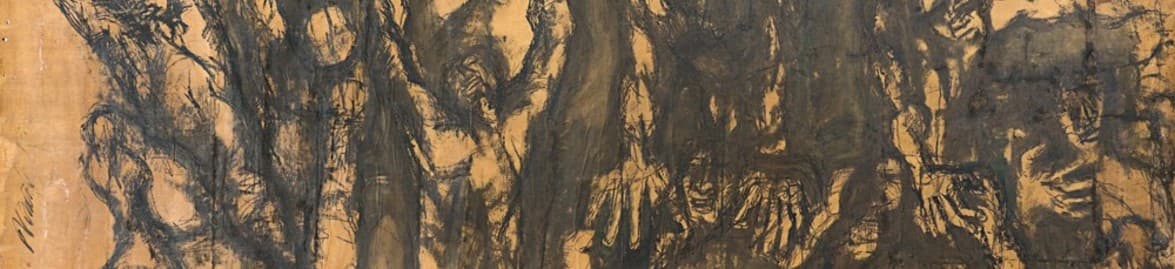
Nikhil Biswas was an influential Indian modernist artist who was known for his expressionist style paintings & drawings. He was part of the post-independence modern art movement in India, particularly active in the Bengal art scene during the 1950s and early 1960s. Biswas worked primarily in ink, watercolor, and oil, creating both figurative and semi-abstract works that often dealt with themes of human struggle and social conditions. He was inspired by Michelangelo and used allegorical myths from both Europe and Asia in his work. His iconic figures included clowns, soldiers, horses & women, and he frequently used thick black ink or fine lines in his drawings.
Despite his contributions to art, Nikhil Biswas struggled financially throughout his life, often supplementing his income by teaching art. He passed away at a young age of 36 in 1966, leaving behind an impressive body of work estimated at over 10,000 pieces, primarily in black & white. This article delves into his artistic journey, influences and the profound messages embedded in his work.
Family Background
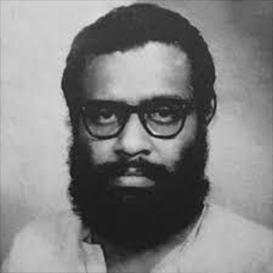 Nikhil Biswas was born in April 1930 in Calcutta, India into a Mahisya family, a caste traditionally linked to agriculture, which deeply influenced his identity and artistic vision. Growing up in a socio-political climate marked by post-colonial struggles and a cultural renaissance, his formative environment in Calcutta left a profound impact on his work. After his untimely death in 1966, his wife, Bina Biswas, emerged as a pivotal figure in preserving and promoting his artistic legacy. She organized key posthumous exhibitions, including a significant retrospective at the Academy of Fine Arts in Kolkata in 1967, which brought his evocative and humanistic art to the forefront. Beyond exhibitions, Bina actively archived and documented his artistic journey, collaborating with art institutions to highlight the themes of resilience and emotional depth that defined his work. Her unwavering dedication not only safeguarded Nikhil Biswas’s contributions to modern Indian art but also underscored the critical role of family in preserving artistic heritage.
Education
Nikhil Biswas pursued his education at the esteemed Government College of Art & Craft in Calcutta, where he immersed himself in the rich traditions of Indian art. During his time there, he developed a strong foundation in various artistic disciplines, ultimately earning a diploma in sculpture. This formal training not only honed his technical skills but also allowed him to explore different mediums and techniques, laying the groundwork for his future artistic endeavors.
Work Experience
Nikhil Biswas, in his mid-50s, made significant contributions as an illustrator for the Bengali newsweeklies "Darpan" and "Janasebak Saptahik." His illustrations poignantly captured the struggles and suffering of humanity, reflecting the difficulties faced during and after India's independence and the socio-political turmoil of his era. To sustain himself financially, he also took on the role of an art teacher at the Mitra Institute, a government school, where he earned only a modest income. Despite the financial constraints, Biswas demonstrated remarkable creativity by using inexpensive materials such as packaging paper, newsprint, and basic ink for his drawings. Unfortunately, this choice of materials has led to many of his works being severely damaged or crumbling over time, yet they remain a testament to his resilience and artistic vision.
Art Themes
Thematically, Nikhil Biswas's work is characterized by a profound engagement with humanism, struggle, and suffering. His paintings often depict the complexities of human emotions and societal conflicts, reflecting the political turmoil of mid-20th century India. He frequently explored themes such as:
• Conflict: Representing both internal struggles and external societal issues.
• Human Condition: Focusing on the plight of individuals amidst broader socio-political challenges.
• Nature: Using animals, particularly horses, as symbols of strength and virility.
• Religious Iconography: Incorporating figures like Christ to illustrate suffering.
Artistic Style
Nikhil Biswas's artistic style evolved significantly throughout his career. Initially influenced by the abstract movement, he later gravitated towards a more expressive and figurative approach. His works are noted for their:
• Powerful Lines: Thick black ink and fine lines create dynamic forms that convey emotion.
• Expressive Use of Color: Vivid colors are employed to evoke feelings and highlight thematic elements.
• Innovative Materials: He often used inexpensive materials like packaging paper and newsprint, which added a layer of texture to his works.
His shift from drawings to oil paintings in the mid-1960s marked a significant transition in his style, allowing for greater depth and complexity in his compositions.
Famous Paintings Names With Description
• Clown Series - The clown emerges as a recurring figure in Biswas's art, representing both humor and tragedy. This duality reflects the complexities of life and human emotion.
• Combat Series - This series is one of Biswas's most recognized works, depicting intense struggles between man and beast. The paintings reflect themes of conflict and survival, using bold lines and dynamic compositions to convey the emotional weight of each encounter.
• Christ Series - In this series, Biswas explores the figure of Christ as a symbol of suffering. The works are imbued with deep emotional resonance, reflecting on themes of sacrifice and redemption through powerful imagery.
• Horses - Horses frequently appear in Biswas's work as symbols of strength and virility. These paintings capture the raw energy of these animals while also serving as metaphors for human struggle.
Contributions to Indian Art
Nikhil Biswas made significant contributions to Indian art through both his creative output and his role as an activist. As a founding member of several influential art groups—such as the Calcutta Painters Group and Society of Contemporary Artists—he played a crucial role in fostering collective artistic expression among contemporaries. His commitment to innovation led to new techniques that challenged traditional norms within Indian art.
Biswas's work also engaged with contemporary issues facing Indian society during his lifetime, making him a voice for those grappling with social injustices. His emphasis on humanistic themes has inspired subsequent generations of artists to explore similar narratives within their work.
Death
Nikhil Biswas tragically passed away on November 10, 1966, due to infectious hepatitis, just on the eve of his much-anticipated exhibition in the German Democratic Republic. His untimely death marked a significant loss to the art community, as he was poised to showcase his impactful works. Despite his passing, Biswas's artistic legacy continued to thrive; his paintings were exhibited posthumously, garnering appreciation and recognition in Germany. Today, his works are preserved in the permanent collection of the Halle Museum in Dresden, Germany, ensuring that his contributions to the art world are remembered and celebrated.
Awards
Throughout his career, Nikhil Biswas received several accolades that recognized his artistic contributions:
Lalit Kala Akademi Gold Medal (1956): Awarded for best exhibit in modern art at an exhibition held by this prestigious institution.
Various accolades from local art institutions that acknowledged his innovative approach and thematic depth.
These awards not only celebrated Biswas’s individual talent but also highlighted the importance of contemporary art movements emerging from Calcutta during this period.
Art Exhibitions
Nikhil Biswas participated in numerous exhibitions throughout his career:
• First Solo Exhibition (1954): Held in Calcutta, marking the beginning of his public recognition.
• Group Exhibitions (1954-56): Participated in various group shows across Bombay (now Mumbai), showcasing emerging talents alongside established artists.
• Calcutta 8 (1962): Co-founded this group exhibition that gained critical acclaim for its innovative approach to contemporary art.
Joint Exhibition with Sarbari Roy Choudhury (1965): This show at Max Mueller Bhavan was well-received by critics and audiences alike.
• Posthumous Exhibitions: His works continue to be exhibited by various galleries dedicated to preserving the legacy of modern Indian artists.
Conclusion
Nikhil Biswas remains an essential figure in the history of Indian art, known for his passionate engagement with social issues through powerful imagery and innovative techniques. Despite his brief career, he made lasting contributions that continue to resonate within the contemporary art scene today. His exploration of humanism amidst societal turmoil provides valuable insights into both personal struggle and collective identity—a testament to the enduring power of art as a medium for expression and change. Through exhibitions celebrating his work and ongoing scholarly interest, Nikhil Biswas's legacy will undoubtedly inspire future artists seeking to navigate the complexities of life through their creative endeavors.