

Blogs
.jpg&w=3840&q=75)
Japanese Shodana Cabinet: Uses and Characteristics
Yungming Wong | 10 Feb, 2026
The Japanese Shodana cabinet is more than just a piece of furniture; it is a masterclass in asymmetrical harmony and functional art. Rooted in the aesthetic principles of traditional Japanese architecture, these cabinets are iconic staples of the Washitsu (Japanese-style room).
What is a Shodana?
While the word shodana translates simply to "bookshelf" it rarely looks like the uniform, vertical shelving found in Western homes. A Shodana is typically a low, wide cabinet characterized by a complex arrangement of staggered shelves, sliding doors (hikime) and small drawers.
History
The origins of the shodana can be traced to the shoin style of Japanese interior architecture that developed during the Muromachi period, roughly from the 14th to the 16th century. The shoin style, which takes its name from a type of study or writing room, established the formal vocabulary of the traditional Japanese interior and introduced a series of architectural and decorative elements that became defining features of refined Japanese domestic and ceremonial spaces. Among these elements were the tokonoma, an alcove for the display of art objects and flower arrangements, the chigaidana, staggered shelves built into the wall of the reception room, and the shoin itself, a projecting window alcove with a built-in writing surface.
The chigaidana, or staggered built-in shelves, were originally architectural features rather than pieces of freestanding furniture, integrated directly into the walls of the formal reception rooms of aristocratic residences and important religious buildings. Over time, as the aesthetic conventions established in the shoin interior style spread more widely through Japanese society, the principles of asymmetric shelving design were translated into freestanding furniture forms that could be used in a broader range of settings. It was from this tradition that the shodana as a distinct furniture form emerged, bringing the elegant asymmetry and refined craftsmanship of the built-in chigaidana into a portable, freestanding format.
By the Edo period, which lasted from the early 17th century to the mid-19th century, the shodana had developed into a highly refined and sophisticated furniture form, produced by skilled cabinetmakers for the aristocracy, the wealthy merchant classes, and important temples and shrines. The Edo period was a time of remarkable artistic flourishing in Japan, and the decorative arts of the period, including lacquerwork, metalwork, and woodworking, reached levels of technical and aesthetic achievement that have rarely been surpassed. It was during this period that many of the most celebrated and beautiful shodana were created, and it is Edo period examples that are most keenly sought by collectors and institutions today.
Key Characteristics of a Shodana Cabinet
1. Minimalist Design - Shodana cabinets typically feature clean lines and simple forms. Ornamentation is subtle, allowing the natural beauty of the wood grain to stand out. This reflects core Japanese aesthetic values such as wabi-sabi (appreciation of simplicity and imperfection).
2. Natural Materials - Traditional shodana are crafted from woods such as cedar (sugi), cypress (hinoki), or paulownia (kiri). These woods are valued for their durability, pleasant aroma, and resistance to humidity, an important factor in Japan’s climate.
3. Sliding Doors and Modular Structure - Many shodana include sliding doors (fusuma-style or glass-paneled) to protect books from dust while maintaining a neat appearance. Some designs incorporate modular stacking elements, allowing the cabinet to adapt to different room layouts.
4. Low Profile - Japanese interiors traditionally feature floor seating on tatami mats. Accordingly, shodana cabinets are often lower than Western bookcases, making books easily accessible while seated.
5. Fine Joinery - raditional Japanese woodworking avoids nails, instead using intricate joinery techniques for strength and longevity. This craftsmanship enhances both structural integrity and visual elegance.
Uses of the Shodana Cabinet
1. Book and Manuscript Storage - The primary purpose of the shodana is organizing books, scrolls, and important documents. In earlier centuries, it was especially useful for storing woodblock-printed works and handwritten manuscripts.
2. Display of Cultural Items - Beyond books, shodana cabinets may also showcase ceramics, calligraphy tools, or decorative objects. In refined homes, they complement spaces like a tea room or study, sometimes associated with traditions formalized during the Muromachi period.
3. Modern Home Organization - Today, shodana-inspired cabinets are used globally for storing books, collectibles, office supplies, and multimedia items. Contemporary designers sometimes reinterpret traditional forms for minimalist apartments or modern interiors.
4. Office and Study Furniture - Because of their structured shelving and compartmentalization, shodana cabinets are ideal for organizing paperwork, files, and personal libraries in home offices.
Differences from Other Japanese Storage Furniture
While similar in purpose to other Japanese cabinets, the shodana differs from pieces like the Tansu, which typically feature drawers an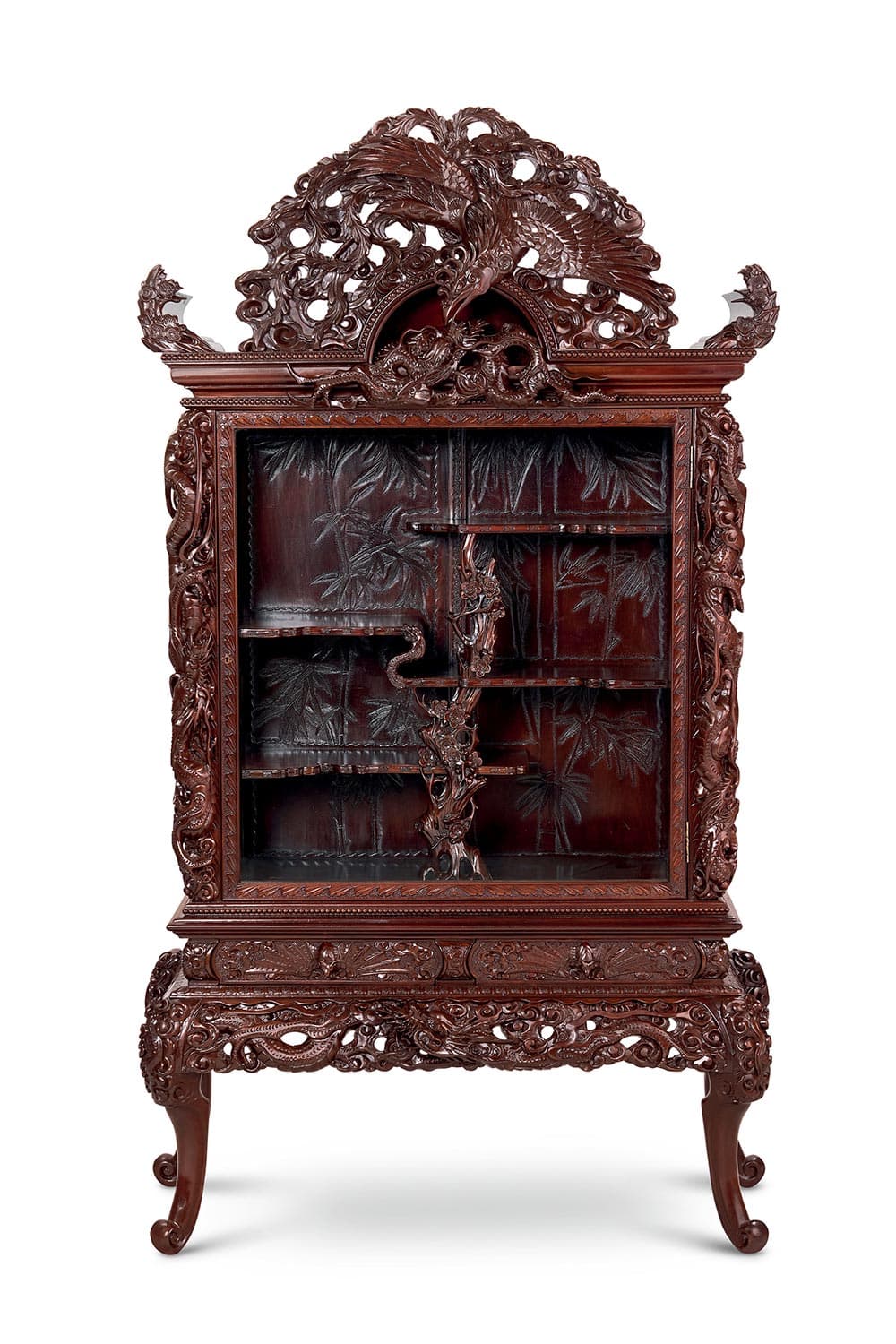 d were often portable. The tansu was used for clothing or valuables, whereas the shodana focuses primarily on shelving and book storage.
Cultural Significance
The shodana cabinet reflects more than storage needs; it represents Japan’s respect for knowledge, craftsmanship, and orderly living. Its understated elegance mirrors broader Japanese design philosophies that prioritize balance, space efficiency, and natural materials. In modern interiors, whether traditional or contemporary, the shodana continues to symbolize thoughtful organization and timeless design.
Conclusion
The Japanese shodana cabinet is a harmonious blend of function and beauty. Designed to protect and organize books while enhancing the aesthetic of a room, it remains a relevant and admired piece of furniture. Through its minimalist style, fine craftsmanship, and adaptability, the shodana embodies enduring principles of Japanese design.

East-Meets-West: Exploring the Cultural Crossbreed in Colonial India
25 Jan, 2022
French Candelabra vs Italian Candelabra: What’s The Difference?
15 Jan, 2025
What Is A Canton Vase? Identifying Blue-and-White Landscapes & Lattice Borders
16 Feb, 2026
Evolution of Wedgwood Chandeliers: From 18th-Century Jasperware to Regency Elegance
2 Feb, 2026
What is Art Deco Sculpture and Why It Matters Today
23 Jul, 2022

KNOW MORE
Buy
Sell
Request an Estimate
FAQs
Seller Terms
Store Terms
SERVICES
Client Advisory
Restoration
DOWNLOAD THE APP


Copyright 2026 AstaGuru. All Rights Reserved


