k k hebbar’s brush - capturing the heartbeat of society through art
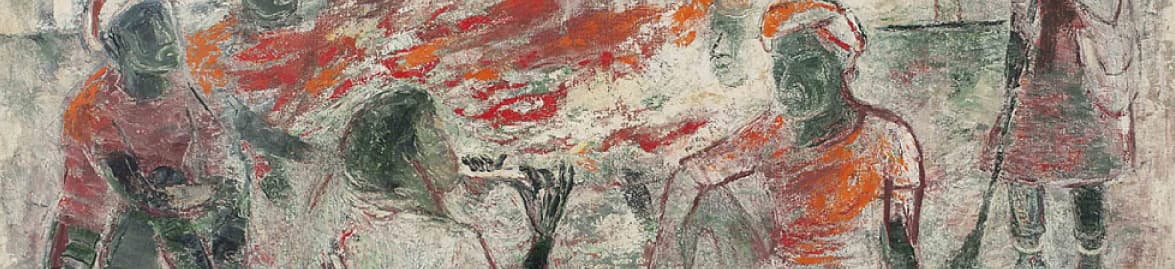
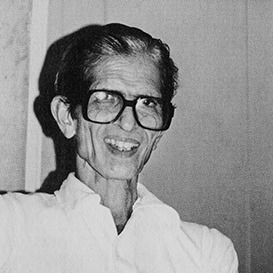 K K Hebbar i.e Kattingeri Krishna Hebbar (15 June 1911 – 26 March 1996) is one who contributed significantly to the art of India. Whether through poignant paintings capturing the social essence or general artistic importance, Hebbar has left a mark that resonates in themes both through culture and tradition on one hand and human experience on the other. As a contemporary icon, this blog will focus on his life as an artist and journey along with his most noted works and the impact he created for society. His birth in 1911 into the small village of Bhatkal in Karnataka plunged K K Hebbar into a veritable sea of Indian cultural heritage in his early childhood. Support from family for this inclination in art and promise at such a tender age soon made him an aspirant to pursue further education in Mumbai at the Sir J J School of Art. Here, he had exposure to numerous movements in art that would eventually help him craft his style. He had a background that shaped his worldview in many ways, which he would later express through art.
Career Highlights
Hebbar's work life thus ran within the middle years of the 20th century when Indian society had witnessed a burst of change. Going through various national and international shows authenticated his work, and one of the biggest successes he had in this regard was the inclusion in the "Bharat Bhavan" show, which helped him solidify his position as a contemporary artist. His collection was full of awards throughout his lifetime, and some of the notable ones are the Padma Bhushan, which came his way back in 1989 for his outstanding contribution to Indian art.
Journey of Art
Hebbar's journey with art was never static; the style and themes he used kept changing. He was initially conventional in the sense of Indian arts, though he adopted new techniques in his artwork by gradually embracing modernity for his time. He travelled across India and abroad and spent time in many cultures and artistic practices, which added depth to his work. Of course, every single stage of his journey was marked by a sense of seeking meaning and interpreting it through the entities he depicted on canvases.
Major Themes in His Work
In many of his works, Hebbar seems to confirm the socio-cultural scene of India. Major aspects have been the glory of rural life, investigation of spirituality, and representing the roles of women in society. Scenes of daily life often appear to be a meeting place where beauty and ordinariness coexist. Ebullient colours and dynamic forms make such everyday moments profound visual narratives.
Indeed, one of the dominant themes he left behind was the tale about the tug of war between the modern and the traditional. He is due a great deal of credit in this regard because he remained poised in front of these conflicting forces, raising the tensions and harmonies so reminiscent of Indian society today. His mastery over such themes almost compels the viewers to introspect over their own experiences and lives.
Artistic Style & Technique
K K Hebbar's art style was very vivid, fluid and rhythmically moving, characterised by colourful energy, bold hues and executed smoothly in oil and acrylic to provide rich textured surfaces that draw the viewer in. Strongly expressive lines and forms evoke powerful emotions.
He often used layering techniques, constructing layers of texture within the paintings to enhance the visual experience. This also gave dimension and indirectly portrayed the complexities of life that he was trying to describe with his paintings. His style varied over the decades but still carried a signature that unmistakably bears his name.
Personal Philosophy & Beliefs
He considered art a mirror to the life of society in all its joys, struggles, and aspirations. According to him, the artist was a communicator of human experience—connecting the individual with the collective. His philosophy was not aesthetic alone; he was committed to social issues and used his platform to draw greater attention to the plight of the underprivileged.
His personal views about tradition and cultural heritage defined his judgments of art. In general, Hebbar longed for the preservation of Indian culture while combining it with the influences of modernity. Duality is found, as he showcased folk traditions while placing himself against contemporary issues—thus, his art spans generations.
Famous Paintings
K K Hebbar's artwork often reflects themes of nature, mythology and Indian culture. Below are the names of some of his most famous paintings:
* The Fisherman - This painting depicts a serene landscape with fishermen at work, showcasing Hebbar's ability to capture the essence of rural life and nature.
* Mother and Child - A poignant representation of maternal love, this artwork emphasizes the bond between mother and child, often characterized by gentle colors and soft forms.
* Harvest - This painting reflects the vibrancy of rural India, depicting farmers engaged in the harvest, filled with energy and rich colors.
* The Dance - A celebration of Indian classical dance, this artwork captures the fluid movements of the dancers, showcasing Hebbar’s mastery in portraying motion and grace.
* Goddess Durga - Inspired by Indian mythology, this painting portrays the goddess Durga, symbolizing strength and femininity, and showcases Hebbar's intricate detailing and vibrant palette.
* Landscape with Cattle - A beautiful portrayal of rural life, this piece features cattle in a tranquil landscape, exemplifying Hebbar's love for nature and rural settings.
* The Lovers - This romantic artwork captures an intimate moment between lovers, filled with emotion and characterized by soft, flowing lines.
* Dreams - A surreal composition that blends reality with imagination, showcasing Hebbar's innovative approach to themes of dreams and aspirations.
* Birth of Poetry - The painting carried profound meaning and thematic depth, reflecting the artist's exploration of creativity and the essence of poetic expression.
Line Drawings
K.K. Hebbar was known for his distinctive line drawings, which showcased his mastery of form and expression. His line drawings often featured:
Fluid Lines: Hebbar’s line work is characterized by fluid, continuous lines that convey movement and emotion. His ability to create dynamic compositions with simple strokes is one of his trademarks.
Minimalism: Many of his drawings embody a minimalist style, where he captures the essence of the subject with as few lines as possible, emphasizing simplicity and elegance.
Cultural Themes: His line drawings often reflect Indian mythology, folklore, and daily life, integrating elements from his cultural background and experiences.
Human Figures: Hebbar frequently depicted human figures in various poses, showcasing the beauty of the human form and the emotions it can express. His figures often convey deep emotional narratives.
Nature and Landscape: Many of his line drawings feature elements of nature, such as trees, animals, and rural landscapes, illustrating his connection to the environment and his love for the natural world.
Use of Negative Space: Hebbar skillfully utilized negative space in his drawings, allowing the white space to play a crucial role in the overall composition and balance of the artwork.
Some examples of K.K. Hebbar's line drawings include:
Mahabharata illustrations: Hebbar's illustrations for the Mahabharata, a Hindu epic, are considered some of his most iconic works. He drew over 1,000 illustrations for the book, which were published in 1962.
Indian gods and goddesses: Hebbar's drawings of Indian gods and goddesses, such as Ganesha, Durga, and Krishna, are highly regarded for their simplicity and elegance.
Architectural drawings: Hebbar's drawings of Indian temples and monuments, such as the Taj Mahal and the Red Fort, are highly detailed and precise.
Impact On Society
K K Hebbar's work extended far beyond the canvas; it profoundly influenced Indian society. The countless ordinary lives he portrayed along with their struggles fostered a greater appreciation for the richness of Indian culture and social issues. His art has inspired many artists to reconnect with their heritage and to explore the socio-political landscape through creative expression. Hebbar's influence was also felt in educational institutions where he mentored and guided aspiring artists. His commitment to nurturing talent and promoting artistic exploration has etched permanent imprints on the Indian art scene.
Awards & Recognition
Some of the notable awards and recognition received by K K Hebbar include:
- Padma Bhushan: Hebbar was awarded the Padma Bhushan, one of India's highest civilian honors, in 1987 for his contributions to the field of art.
- National Academy of Arts Award: Hebbar received the National Academy of Arts Award in 1985 for his outstanding contributions to Indian art.
- Lalit Kala Akademi Award: Hebbar was awarded the Lalit Kala Akademi Award in 1975 for his exceptional work in sculpture.
- Karnataka State Award: Hebbar received the Karnataka State Award in 1972 for his outstanding contributions to the field of art.
- Honorary Doctorates: Hebbar was conferred with honorary doctorates by several universities, including the University of Mysore and the University of Karnataka.
This legacy left by K K Hebbar as a painter is immense, and his work speaks of the vibrancy of Indian society. His talent in portraying the complexities of life is adeptly translated into the viewers' world, making his contribution all the more indispensable. Probing into the journey of his life, one recognises the importance of dialogue and understanding fostered through art in society. His brush continues to inspire, as it makes us value the beauty in shared experiences and the stories that unite us.
We hope you enjoyed this article. You can click here to see some of K K Hebbar original artworks.