life & legacy of raja ravi varma: a pioneer of indian art
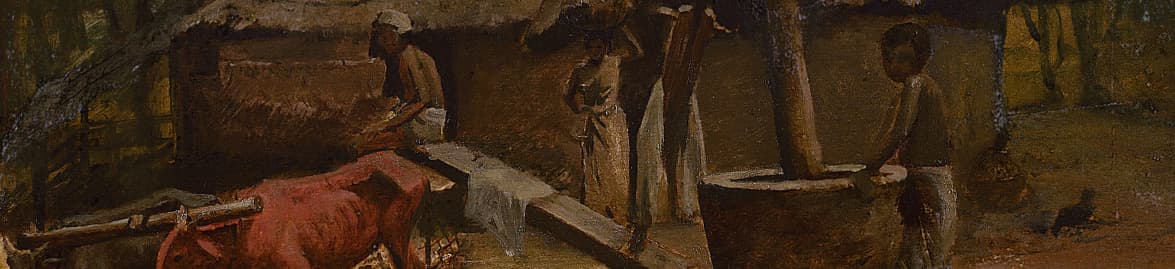
Raja Ravi Varma (Other Name - Ravi Varma Koil Thampuran) often referred as the "Father of Modern Indian Art" was one of the most influential painters of 19th-century India & one of the greatest figures in the history of Indian art. He made groundbreaking contributions to the Indian art scene, most notably by being the first to depict Hindu gods & deities with human features. His portrayal of divine figures became deeply significant for many, especially those from lower castes, who were often denied access to temples. Varma's works, depicting the gods in relatable and humanized forms became revered by these communities, offering them a visual connection to the divine they were otherwise excluded from.
Beyond his artistic innovation, Raja Ravi Varma’s contributions had a far-reaching cultural impact. He was instrumental in introducing printing techniques that enabled mass reproduction of his paintings as prints. This democratization of art played a pivotal role in making Indian mythology and culture accessible to a broader audience, transcending social and economic barriers.
Early Life & Background
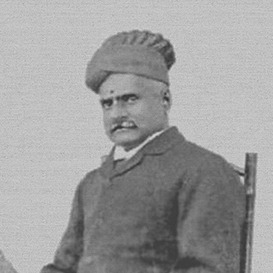 Raja Ravi Varma born on April 29, 1848, in Kilimanoor, Travancore (present-day Kerala), hailed from an aristocratic family renowned for its literary and artistic heritage. His father "Ezhumavil Neelakanthan Bhattatiripad" was a respected scholar, while his mother "Umayamba Thampuratti" was a poet and author of Parvati Swayamvaram. From a young age, Ravi Varma exhibited a remarkable artistic talent, often sketching on the palace walls with charcoal. As a child, he used indigenous colors derived from natural materials like leaves, flowers, tree bark, and soil. Recognizing his aptitude, his uncle, Raja Raja Varma, played a pivotal role in nurturing his skills, introducing him to the royal court of Maharaja Ayilyam Thirunal at the age of 14. Under the guidance of palace painter Rama Swamy Naidu, Ravi Varma received formal training in watercolors, and later, Dutch artist Theodor Jenson taught him the techniques of oil painting.
Raja Ravi Varma's upbringing in the royal palace exposed him to a distinctive blend of artistic traditions, merging elements from both the Italian Renaissance and classical Indian art. This artistic fusion significantly influenced his later works. By the age of 22, he had already garnered substantial recognition, most notably the Governor's Gold Medal at the Madras Fine Art Exhibition in 1873 for his renowned painting "Nair Lady Adorning Her Hair."
In 1866, at the age of 18, Ravi Varma married Bhageerthi Bayi (formally known as Pooruruttati Nal Bhageerathi Bayi Thampuratty), the daughter of Mahaprabha of Mavelikara. Bhageerthi Bayi was the youngest of three sisters, with her elder siblings having been adopted into the royal family of Travancore in 1857 to continue the lineage.
Raja Ravi Varma and his wife Bhageerthi Bayi had five children: three daughters and two sons. Their eldest daughter, Ayilyam Nal Mahaprabha Thampuran, is notable for her appearances in two of her father's iconic paintings, "There Comes Papa" and "Lady in the Moonlight." She later became the mother of Maharani Pooradam Thirunal Sethu Lakshmi Bayi of Travancore. Their other daughters included Uma Amma, named after Varma's mother, and Ayilyam Nal Cheria Kochamma Thampuran, the youngest, born in 1882.
Their elder son, Kerala Varma, possessed a deeply spiritual temperament. He remained unmarried and eventually renounced worldly life, leaving home in 1912. The younger son, Rama Varma, inherited his father's artistic talent. He married Gowri Kunjamma, sister of Dewan PGN Unnithan, and they had seven children. Ravi Varma's marriage to Bhageerthi Bayi of the Mavelikkara royal family further strengthened his ties to the aristocracy, providing both inspiration and patronage that significantly supported his flourishing career.
Baroda & Gaekwad Connection
Raja Ravi Varma had a significant association with the royal family of Baroda, particularly with Maharaja Sayajirao Gaekwad III. This connection was instrumental in shaping his career and his contributions to Indian art. In 1881, Raja Ravi Varma was invited by Sir R. Madhvarao, the British Regent of the State of Vadodara, to paint a ceremonial portrait of Maharaja Sayajirao III. To facilitate this prestigious commission, a special studio was established for him within the Baroda palace. This marked the beginning of a fruitful relationship between the artist and the Gaekwad family. During his stay in Baroda, Ravi Varma received a major commission in 1888 from Maharaja Sayajirao Gaekwad III to create fourteen large-scale paintings based on the Indian epics, the Mahabharata and the Ramayana. These works were intended to adorn the Durbar Hall of the newly constructed Lakshmi Vilas Palace. Assisting him in this monumental task were his brother, C. Raja Raja Varma, and his sister, Mangalabai Thampuratty.
Raja Ravi Varma’s association with Maharaja Sayajirao extended beyond painting. In 1894, with the Maharaja’s financial assistance of Rs 50,000, Ravi Varma established the Ravi Varma Lithographic Press in Mumbai. The press was set up to reproduce his iconic works as oleographs, making them accessible to the public and popularizing Indian mythology through visual art. The first oleograph produced was based on his famous painting Birth of Shakuntala. Two German technicians were brought in to ensure the quality of production. The press was later moved to Lonavla but faced financial difficulties and was sold in 1901 to a German technician, Mr. Schleizer. Unfortunately, the press was destroyed in a fire and eventually ceased operations. The Gaekwad family’s patronage played a pivotal role in enabling Raja Ravi Varma to create some of his most iconic works and expand his artistic reach through lithographic prints. The relationship exemplifies the collaboration between royal patronage and artistic genius, contributing significantly to the preservation and propagation of Indian cultural heritage.
Lithographic Revolution
Raja Ravi Varma spearheaded a lithographic revolution that radically altered the accessibility and perception of art in India. In 1894, he founded the Raja Ravi Varma Press in Mumbai, marking a significant departure from traditional artistic practices to mass production. The press became pivotal in producing oleographs—high-quality lithographic prints of his paintings—that facilitated the widespread distribution of his work. The first of these prints, "Shakuntala Janm" set a new standard for the imagery that would resonate with the Indian populace, particularly through its depictions of Hindu deities and scenes from epic narratives such as the Mahabharata and Ramayana.
Prior to Varma's innovations, art was largely confined to the elite, with limited access for the general public. His lithographs democratized art, making it accessible to middle and upper-middle-class families, thereby fostering greater public engagement with fine arts. The press utilized advanced printing techniques and machinery imported from Germany, enabling the production of high-quality reproductions on an unprecedented scale in India. This not only cemented Varma’s legacy as an artist who fused European academic styles with Indian themes, but also contributed to the rise of cultural nationalism during a period of growing political awareness.
Artistic Style
Raja Ravi Varma was the first Indian artist to use oil paints, which were brought to India by the British. He skillfully blended Western artistic techniques with traditional Indian themes, creating masterpieces that depicted scenes from the epics Ramayana and Mahabharata, as well as portraits of Indian women in traditional attire. Varma's body of work can be classified into three categories: portraits, portrait-based compositions, and theatrical compositions based on myths and legends. It is the third category—his mythological compositions—that earned him the most acclaim. Through these types of paintings, Raja Ravi Varma brought to life famous mythological stories, providing a visual insight into these tales for those who were unable to hear or read them, thus making Indian mythology more accessible to a wider audience.
He portrayed gods and goddesses with distinctly Indian features and personalities, making them more relatable to the common people. His paintings of women were notable, as he depicted them with a natural grace and dignity, often placing them in thoughtful or contemplative poses. He was particularly skilled at capturing the play of light on skin tones and fabrics, creating a luminous quality that became one of his hallmarks.
Another significant aspect of Varma's artistic style was his use of composition & color. He employed rich vibrant colors, typical of Indian aesthetics while using European techniques of perspective and modeling to create depth and volume. This unique combination of Indian themes and Western techniques not only revolutionized Indian art but also made it more accessible to a wider audience, particularly through his later venture into oleographs, which allowed his works to reach homes across India.
Challenges & Criticism
Raja Ravi Varma, despite his monumental contributions to Indian art, faced considerable challenges and criticism during his career. One of the most significant controversies arose from his innovative approach to depicting Hindu deities and mythological figures. Varma’s use of Western techniques, including realistic portrayals and lifelike anatomy, sparked resistance from traditionalists who believed he had compromised the sanctity of these sacred subjects. Critics argued that his humanized representations of gods and goddesses deviated from traditional iconography, undermining cultural and religious values. This backlash culminated in a legal battle where Varma defended his artistic vision, ultimately securing a landmark victory for artistic freedom in India.
Beyond religious controversies, Varma’s portrayal of women in his work also provoked significant debate. His focus on the sensuality and elegance of the female form was viewed by some as inappropriate, with traditionalists accusing him of eroticizing his subjects. Critics argued that his depictions clashed with the modesty traditionally associated with Indian art, particularly in representations of women. However, others praised Varma for challenging patriarchal norms by presenting strong and multifaceted female characters, emphasizing their beauty, intelligence, and grace. This tension reflected broader societal dynamics of the time, including evolving attitudes toward women’s roles in art and society.
Varma also encountered personal and financial difficulties, particularly with his lithographic venture. Although the Raja Ravi Varma Press initially succeeded in making art accessible to the masses, it faced financial challenges and legal disputes over copyright infringement, as unauthorized reproductions of his prints proliferated. These issues, coupled with criticism that his work had become overly commercialized, tested Varma’s resilience. Nevertheless, he persevered, adapting to these challenges and leaving behind an enduring legacy that profoundly influenced Indian art and its cultural landscape.
Legacy & Influence
Raja Ravi Varma’s influence extends far beyond his lifetime. His pioneering efforts laid the groundwork for modern Indian art and inspired countless artists to explore the fusion of traditional and contemporary styles. His legacy can be observed in several key areas:
• Cultural Preservation: By immortalizing Indian mythology and folklore in his paintings, Varma played a vital role in preserving India’s cultural heritage.
• Artistic Inspiration: Many modern Indian artists and filmmakers have drawn inspiration from Varma’s work. His depictions of Indian women, in particular, have influenced generations of artists.
• Representation of Women: Varma’s portrayal of women as graceful, strong, and emotionally complex figures challenged societal norms and offered a progressive vision of femininity.
• Cinema and Popular Media: The visual language established by Varma’s paintings has had a profound impact on Indian cinema, particularly in the portrayal of mythological and historical themes.
Commemorations & Honors
Raja Ravi Varma received numerous commemorations and honors throughout his life and posthumously, recognizing his immense contributions to Indian art. One of the most notable accolades was the Kaisar-i-Hind Gold Medal, awarded to him in 1904 by the British government for his services to the British Raj and artistic achievements. This award marked a significant recognition as it was the first time an artist received such an honor in India’s history. Additionally, Varma's work gained international acclaim when he won a gold medal at the Vienna Exhibition in 1873 and was awarded three gold medals at the World’s Columbian Exposition held in Chicago in 1893, where he showcased ten of his paintings depicting women from various Indian cultures. Posthumously, Varma's legacy continued to be celebrated. In 2013, a crater on Mercury was named Varma in his honor, highlighting his influence beyond Earth. Educational institutions such as the Raja Ravi Varma College of Fine Arts in Mavelikara and Raja Ravi Varma High School in Kilimanoor have been named after him, ensuring that his legacy endures in educational contexts.
Here is a list of commemorations & honors attributed to artist Raja Ravi Varma, reflecting his enduring legacy and contributions to Indian art:
- During His Lifetime:
• Governor’s Gold Medal (1873): Awarded at the Madras Fine Art Exhibition for his painting Nair Lady Adorning Her Hair.
• Recognition by Royal Courts: He was invited to various princely courts, including Travancore and Baroda, where his work was highly valued and patronized.
• Title of "Raja" (1904): Viceroy Lord Curzon on behalf of the King Emperor, bestowed upon Raja Ravi Varma the Kaisar-i-Hind Gold Medal. At this time, his name was mentioned as “Raja Ravi Varma” for the first time.
- Posthumous Honors:
• India Postage Stamp (1971): A commemorative stamp was issued by the Indian Postal Department to honor his contributions to Indian art.
• National Gallery of Modern Art (New Delhi): Several of his works are housed and celebrated in India’s premier gallery.
• Raja Ravi Varma Puraskaram: An award instituted by the Kerala Lalithakala Akademi, recognizing outstanding contributions to the field of art.
• Film and Cultural Tributes: Numerous films and documentaries, such as Rang Rasiya (2008), have been made to celebrate his life and work.
• Raja Ravi Varma Heritage Foundation (Bengaluru): Established to preserve and promote his legacy and educate the public about his contributions to art and culture.
• Museum Exhibitions: His works have been exhibited globally, often as part of retrospectives on Indian art and culture.
Documentaries & Movies
Raja Ravi Varma's life and artistic legacy have inspired several films and documentaries that explore his contributions to Indian art and culture. Notable works include:
- Documentaries:
• "Before the Brush Dropped" (2007): An English-language documentary that delves into Varma's life and artistic journey. This film received the Best Documentary award in its category.
• "Raja Ravi Varma" (1990): A television documentary directed by J. Sasikumar, produced by the Government of India's Films Division, offering an in-depth look at Varma's influence on Indian art.
• "Raja Ravi Varma: Restoring A Master's Glory": This documentary focuses on the preservation and restoration of Varma's artworks, highlighting efforts to maintain his artistic legacy.
• "Beyond the Arch": A short film by Studio Trika that pays tribute to Varma's contributions to Indian art, reflecting on his enduring influence.
- Feature Films:
• "Makaramanju" (2011): A Malayalam-language romantic drama directed by Lenin Rajendran, featuring Santosh Sivan as Raja Ravi Varma. The film focuses on Varma's creation of the painting "Urvashi and Pururavas," intertwining his artistic process with his personal life.
• "Rang Rasiya" (2014): A Hindi-language film directed by Ketan Mehta, with Randeep Hooda portraying Raja Ravi Varma and Nandana Sen as Sugandha, his muse. The movie explores Varma's life, his artistic endeavors, and the controversies surrounding his depiction of Indian deities.
• "Chitrangada" (2017) - Kannada film loosely based on Raja Ravi Varma's life.
These films and documentaries offer diverse perspectives on Raja Ravi Varma's life, artistic innovations, and the cultural impact of his work, contributing to a deeper understanding of his role in the evolution of Indian art.
Death
Artist Raja Ravi Varma passed away on October 2, 1906, at the age of 58, in Attingal Kerala due to diabetes. At the time of his passing, Raja Ravi Varma left behind a rich legacy of over 7,000 paintings, a testament to his prolific nature as an artist. His last finished painting was "Kadambari", while he left "Parsi Lady" unfinished.
Contributions To Indian Mythology & Culture
Raja Ravi Varma made monumental contributions to Indian mythology and culture through his iconic paintings that brought ancient stories and deities to life. He was among the first Indian artists to master oil painting techniques and use them to depict scenes from the great Indian epics, the Ramayana and Mahabharata, as well as the Puranas. Varma's paintings, such as "Jatayu Vadh" and "Ganga’s Descent," vividly illustrate scenes from the Ramayana and Mahabharata, bringing these ancient stories to life in a way that resonated with audiences across India. His realistic portrayals of deities like Krishna, Lakshmi, Saraswati and Shakuntala became the definitive way these gods and goddesses were imagined across India, influencing calendar art, religious prints, and popular culture for generations to come.Moreover, Raja Ravi Varma's contributions extended beyond the canvas. He established a printing press in Mumbai, which produced affordable lithographs of his paintings, making his art accessible to the masses. This democratization of art played a significant role in popularizing Indian mythology and culture across different strata of society. Varma's work not only preserved and propagated traditional Indian narratives but also inspired a new generation of artists to explore and reinterpret their cultural heritage. His legacy continues to influence contemporary Indian art and culture, making him an enduring figure in the annals of Indian history.
Enduring Relevance
Over a century after his death, Raja Ravi Varma’s art continues to captivate audiences worldwide. His ability to transcend cultural and temporal boundaries has cemented his place as a pioneer who reshaped Indian art. By blending the traditional with the modern, he not only created timeless masterpieces but also paved the way for a new era of artistic expression in India. In an age where art is often compartmentalized, Raja Ravi Varma’s work serves as a reminder of the power of synthesis. His legacy is a testament to the enduring relevance of art that speaks to the heart and soul of a people, bridging the gap between the divine and the human, the past and the present.
Raja Ravi Varma life and legacy remain a source of inspiration and pride for India. His art is not merely a reflection of his time but a timeless treasure that continues to enrich the cultural fabric of the nation. As we delve into his works, we are reminded of the transformative power of art and its ability to unite, inspire and elevate humanity.