reading adeela suleman’s art through the lens of islamic art traditions
.jpg&w=3840&q=75)
Filigree and Steel: The Dualities in Adeela Suleman’s Artistic Language
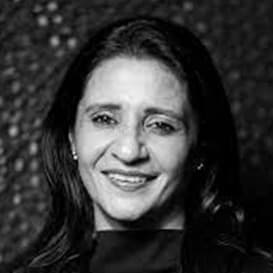
Adeela Suleman is a leading contemporary Pakistani sculptor and visual artist whose work bridges traditional aesthetics and urgent social commentary. Based in Karachi, she transforms everyday objects and industrial materials into compelling artworks that resonate with both personal biography and broader cultural narratives. While her practice engages deeply with current socio-political concerns, the influence of Islamic art traditions, especially ornamental and filigree motifs, plays a significant role in shaping her visual language and thematic depth.
 Blending Tradition with Contemporary Context
Adeela Suleman’s work often incorporates detailed, repetitive patterns and floral or organic motifs that are rooted in the ornamental hallmarks of Islamic art, such as geometric order, arabesque detailing, and filigree aesthetics. These refer not just to decoration but to centuries-old artistic practices that emphasise repetition, balance, and the interplay of space and form. In her sculptures and steel works, these visual rhythms recall the rich heritage of Islamic ornamentation yet are recontextualised to speak to issues of violence, identity, and social dynamics in contemporary Pakistan.
Material Dialogue: Ornament Against Steel
In many of her pieces, Adeela Suleman juxtaposes delicate filigree-like details against the raw strength of stainless steel, bolts, and found hardware. This contrast creates a visual tension that reflects the precarious nature of the human condition in modern society. The repeating floral and bird motifs rooted in Islamic decorative traditions are not merely decorative but symbolic. They evoke beauty, fragility, and continuity in the face of upheaval and conflict, making her work both aesthetically grounded and conceptually urgent.
Islamic Miniature Painting and Narrative Layers
Alongside sculptural filigree, Adeela Suleman’s painted works, such as her series on enamel plates, draw from the visual influence of Persian and Mughal miniature painting, another thread in the broader fabric of Islamic art. These painted miniatures often combine idyllic natural scenes with jarring vignettes of violence or discord. The choice of miniature tradition references historical artistic media while subverting them, transforming visual beauty into a space for confronting harsh contemporary truths.
Patterns as Memory and Commentary
Islamic art traditionally utilises repetitive patterns and symmetries as expressions of infinity, spirituality, and cosmic order. Adeela Suleman’s use of these elements becomes a narrative device. Birds, flowers, and interlocking forms appear within her compositions not just for their aesthetic resonance but as metaphors for life, loss, memory, and persistence. When embedded in artworks about conflict or displacement, these motifs suggest both continuity with cultural heritage and the ruptures inflicted by violence and societal fragmentation.
Sacred Aesthetics in Secular Spaces
While rooted in artistic traditions associated with religious and historical contexts, Adeela Suleman’s artwork does not replicate religious imagery. Instead, she uses the formal grammar of Islamic art, including patterns, motifs, and compositional principles, to evoke collective memory and cultural identity. This approach enables her sculptures and paintings to communicate across cultural boundaries, inviting viewers to find resonance between aesthetic lineage and lived experience.
Conclusion
Adeela Suleman’s art offers a compelling example of how Islamic art traditions can inform contemporary practice without being confined by them. Through the integration of ornamental motifs, miniature painting influences, and patterned structures, she honours visual legacies while repurposing them to explore modern realities. Her work demonstrates that traditional aesthetics can serve as a powerful lens through which to interpret issues of violence, memory, identity, and resilience in today’s world.