what is a samovar? unveiling their history, styles & more
.jpg&w=3840&q=75)
The samovar stands as one of the most iconic and culturally significant objects in Russian and Eastern European history. More than simply a device for heating water, the samovar represents centuries of social tradition, family gatherings, and hospitality. Its distinctive form has become synonymous with Russian tea culture, though its influence extends far beyond Russia's borders. This comprehensive guide explores the samovar's origins, mechanics, cultural significance, varieties, and enduring relevance in the modern world.
Definition
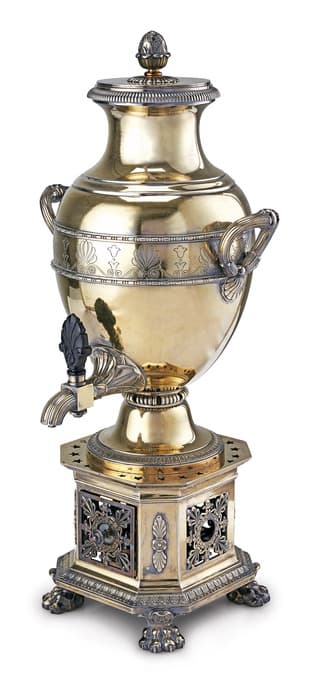 A samovar is a metal container traditionally used to heat and boil water for tea. The name derives from Russian words meaning "self-boiler" which aptly describes its self-contained heating mechanism. Unlike a simple kettle heated on an external stove, the samovar incorporates an internal heating element that allows it to function independently, making it both practical and portable.
The basic structure consists of a large metal body or urn that holds water, a central vertical tube or chimney running through the interior, and a heat source placed within or beneath this tube. As the heat source burns, it warms the water surrounding the tube. A spigot or tap near the base allows hot water to be drawn off as needed. At the top, a small platform or crown typically holds a teapot containing concentrated tea, which stays warm from the rising heat.
This ingenious design allows the samovar to maintain hot water for extended periods, making it ideal for the prolonged tea-drinking sessions central to Russian social life. The water remains at near-boiling temperature for hours, while the concentrated tea steeps separately, allowing each person to dilute their tea to preferred strength by mixing the concentrate with hot water from the tap.
History
The samovar's origins remain somewhat debated among historians, though most evidence points to its development in Russia during the 18th century. Some theories suggest Persian or Turkish influence, as similar water-heating vessels existed in the Middle East. However, the samovar as we know it today emerged as a distinctly Russian innovation that evolved into an essential element of Russian domestic life.
The first documented Russian samovar production began in Tula, a city south of Moscow, in the 1770s. The Lisitsyn brothers established what may have been the first samovar workshop there in 1778, though other accounts suggest earlier production. Tula's location near iron and copper resources, combined with its established metalworking traditions, made it the natural center for samovar manufacturing.
By the early 19th century, dozens of samovar workshops operated in Tula, each developing distinctive styles and competing for quality and innovation. The industry grew rapidly, employing thousands of workers and producing samovars in countless shapes, sizes, and decorative styles. At its peak in the late 19th and early 20th centuries, Tula manufacturers produced hundreds of thousands of samovars annually, exporting them throughout the Russian Empire and beyond.
The samovar's spread coincided with tea's growing popularity in Russia. Tea arrived in Russia as a diplomatic gift from China in the 17th century but remained a luxury for the wealthy. As tea became more accessible in the 18th and 19th centuries, the samovar evolved as the perfect vessel for Russian tea-drinking customs, which emphasized leisurely consumption over extended periods rather than quick single cups.
Different regions developed their own samovar traditions. The Ural Mountains region produced distinctive examples, as did workshops in Moscow and St. Petersburg. Each area's samovars reflected local metalworking traditions and aesthetic preferences, creating regional varieties that collectors now prize.
The Soviet period saw samovar production continue, though designs became more standardized and utilitarian. Traditional workshops consolidated into state enterprises, and electric samovars became common. Despite these changes, the samovar retained its cultural significance, appearing in virtually every Soviet home and institution.
How Samovar Works
Understanding the samovar's mechanics illuminates the ingenuity of its design. Traditional samovars operate through a remarkably efficient heating system that maximizes surface area contact between the heat source and water.
The central tube or chimney creates a draft similar to a fireplace chimney. Fuel, traditionally charcoal, though pine cones, coal, or wood chips were also used, burns in a fire box at the base or within the lower portion of the tube. Air enters through vents at the bottom, flows upward through the burning fuel, and exits through the top of the chimney, creating continuous airflow that keeps the fire burning steadily.
The water surrounds this central heating tube on all sides, meaning the entire surface area of the tube transfers heat to the water. This design proves far more efficient than heating a vessel from below, as in a kettle, because it maximizes heat transfer while minimizing fuel consumption. The metal body also retains heat well, keeping water hot long after the fire diminishes.
To use a traditional charcoal samovar, one places combustible material in the fire box and ignites it, often using a special samovar bellows or simply blowing into the base vents. As the fire establishes itself, the draft draws air through and the water begins heating. A small chimney extension called a dushnik can be added to increase draft in windy conditions or to direct smoke away.
Once the water boils, a small teapot containing strong concentrated tea (zavarka) sits atop the samovar's crown, staying warm from rising heat. Users draw hot water from the tap, add a portion of concentrated tea from the pot, and dilute to taste. This system allows everyone to customize their tea strength while ensuring hot water remains available throughout lengthy tea sessions.
The tap mechanism typically includes a valve that can be left slightly open to maintain water circulation near the spigot, preventing overheating in that area. Some samovars feature ornate taps shaped like birds, lions, or decorative forms that add to their visual appeal.
Electric samovars, introduced in the early 20th century, replace the charcoal fire with an electric heating element at the base, similar to an electric kettle. While more convenient, many traditionalists argue they lack the romance and slight smoky flavor imparted by charcoal-heated versions. However, electric models allowed samovars to remain practical in modern homes where dealing with charcoal and smoke became impractical.
Types & Styles
The samovar's long manufacturing history produced extraordinary variety in forms, sizes, materials, and decorative treatments. Understanding these categories helps appreciate the range of samovars and their specific purposes.
Shape classifications include numerous traditional forms, each with distinctive names. The "bank" (banka) features straight cylindrical sides, offering simple, clean lines. The "egg" (yaytso) presents an oval or egg-shaped body. The "vase" (vaza) incorporates a classical urn form with a narrower neck and wider base. The "acorn" (zholud) resembles its namesake with a rounded bottom tapering upward. The "glass" (stakan) mimics a drinking glass shape. Other forms include the "sphere," "pear," "barrel," and more whimsical shapes like animals or architectural elements.
Size variations served different needs and contexts. Tiny samovars holding just one or two cups served individual use or travel. Medium samovars of three to eight cups suited small families. Large samovars holding ten, fifteen, or even twenty cups accommodated extended families or institutional use in tea houses, barracks, or offices. The largest samovars, sometimes called "buffet" models, could hold thirty or more cups and featured impressive decorative programs befitting their public display.
Materials primarily included brass, copper, bronze, and various alloys, though some prestigious examples used silver or even gold plating. Brass and copper samovars were most common, offering good heat conduction, durability, and the ability to be polished to a brilliant shine. The metal choice affected not only appearance but also heat retention and the subtle flavor imparted to water.
Surface treatments ranged from simple polished metal to elaborate decoration. Nickel plating became popular in the late 19th century, creating a silver-like appearance more resistant to tarnishing than bare brass or copper. Engraved decoration added patterns, scenes, or inscriptions. Embossed or repousse work created three-dimensional decorative elements. Some samovars featured painted decoration, often floral motifs, applied over a base coat.
Makers' marks and medals provide important information about samovars' origins and prestige. Successful manufacturers received imperial warrants or won medals at international expositions, which they proudly displayed on their products. These marks help date and attribute samovars while indicating quality levels. Famous makers like Batashev, Vorontsov, Shemarin, and others produced distinctively styled samovars that command premium prices among collectors.
Regional styles developed distinctive characteristics. Tula samovars dominated production but workshops in other cities created their own aesthetic traditions. Ural samovars often featured folk art decorations and unique regional forms. Moscow and St. Petersburg examples tended toward more refined, sophisticated designs reflecting urban tastes.
Specialized samovars served particular purposes. Travel samovars featured compact designs and protective cases for portability. Combined samovar-coffeepots, called samovar-cafetiere, accommodated both beverages. Some samovars included integral trays or stands, creating complete tea service units.
Cultural Significance in Russian Life
The samovar transcends its utilitarian function to hold deep cultural and emotional significance in Russian society. Understanding this cultural dimension reveals why the samovar remains meaningful long after modern conveniences made it technically obsolete.
In Russian homes, the samovar served as the literal and figurative center of family life. Gathering around the samovar for tea marked daily rhythms, morning awakening, afternoon breaks, evening relaxation. The prolonged nature of tea from a samovar, with hot water continually available, encouraged lingering conversation and connection. Unlike quickly boiling a kettle for a single cup, the samovar's presence invited extended engagement.
The phrase "sitting by the samovar" became synonymous with intimate conversation, philosophical discussion, or family bonding. Russian literature abundantly references samovars as settings for crucial scenes. Tolstoy, Dostoevsky, Chekhov, and countless other writers used the samovar as a stage for dialogue and revelation, understanding its associations with openness, comfort, and domestic intimacy.
Hospitality traditions centered on the samovar. Offering tea from the samovar to guests represented fundamental hospitality, while refusing would constitute a serious insult. The quality and decoration of a family's samovar indicated their status and values. Even poor families aspired to own at least a modest samovar, while wealthy households might possess several for different occasions.
The samovar embodied continuity and heritage. Samovars passed through generations as prized heirlooms, accumulating family history and memories. Each dent or tarnish spot might recall a particular incident or person. Using grandmother's samovar connected present moments to past generations, maintaining family continuity through shared ritual.
Religious and ceremonial contexts featured samovars prominently. Orthodox Christian traditions associated tea and the samovar with fasting periods when substantial food was forbidden but tea provided comfort and warmth. The samovar appeared at celebrations, name days, holidays, and commemorations, marking these occasions with appropriate ceremony.
Social class distinctions manifested through samovars. Aristocratic families owned elaborate silver or ornately decorated examples, displaying them prominently as status symbols. Merchants and middle-class families invested in quality brass or copper samovars that balanced affordability with respectability. Even peasants and workers aspired to samovars, however simple, as markers of domestic establishment.
The communal tea house or chaynaya featured large samovars as central fixtures. These establishments provided social space for men particularly, where tea drinking accompanied conversation, business dealings, card playing, or simply passing time. The samovar created the atmosphere, its presence signaling a place of gathering and social interaction.
In Soviet times, the samovar's significance persisted despite dramatic social changes. Communal apartments featured samovars as neutral gathering points for residents of different backgrounds forced to share living spaces. Institutions i.e offices, dormitories, hospitals maintained samovars for workers and residents, continuing the tradition of communal tea drinking as a break from routine.
The samovar has also symbolized Russian identity abroad. Emigres carried samovars as treasured possessions representing homeland and heritage. Russian-themed restaurants, hotels, and cultural centers worldwide display samovars as instantly recognizable symbols of Russian culture.
Samovars Beyond Russia
While most strongly associated with Russia, samovars and similar vessels spread throughout regions with historical connections to the Russian Empire and tea culture. Understanding this broader context reveals the samovar's far-reaching influence.
The Caucasus region developed its own samovar traditions. Armenian, Georgian, and Azerbaijani cultures adopted the samovar, adapting it to local tea customs while maintaining the basic form and function. These regions had indigenous tea-drinking traditions that merged with Russian influences, creating distinctive local variations.
Central Asian peoples including Uzbeks, Kazakhs, Kyrgyz, and others incorporated samovars into their tea cultures. In these regions, tea drinking represented crucial hospitality rituals, and the samovar became an essential tool. Central Asian samovars often featured regional decorative motifs and adapted to local aesthetic preferences while maintaining functional designs.
Iran developed an extensive samovar culture called the "samovar-e Irani," which some historians argue may have influenced Russian designs or developed in parallel. Iranian samovars often feature more ornate decoration than Russian examples, with elaborate engraving and sometimes enamel work. They remain common in Iranian homes and tea houses, called chaikhanehs, where they serve the crucial Persian tea-drinking tradition.
Turkey similarly developed samovar traditions, particularly in eastern regions. Turkish samovars, called "semaver," show both Russian and indigenous influences. The country's strong tea culture, especially in cities like Trabzon, relies on samovars for traditional tea preparation.
Jewish communities throughout Eastern Europe and the former Russian Empire adopted the samovar, which became integral to Jewish domestic life and hospitality traditions. The samovar appears in numerous accounts of Jewish life, serving tea during Sabbath and holiday gatherings. Many Jewish families carried samovars when emigrating, treasuring them as links to lost communities and traditions.
Mongolian and Chinese border regions adjacent to Russia incorporated samovars into local tea cultures. Mongolia's traditional tea drinking, which uses milk tea, adapted samovars to this purpose. Chinese communities in regions like Manchuria with Russian historical presence also used samovars.
The samovar spread to some Western European and American contexts through trade and migration. Russian restaurants, tea rooms, and specialty shops have featured samovars as authentic elements of Russian tea service. Some Western families with Russian connections or simply appreciation for the tradition acquired samovars for home use.
In each region, the samovar adapted to local tea-drinking customs while maintaining its essential character. Some cultures modified the concentrated tea method, while others embraced it. Decorative preferences reflected local aesthetics, but the basic form remained recognizable across vast geographic and cultural distances.
Collecting Samovars
Samovar collecting has grown into a serious pursuit for enthusiasts drawn to these objects' historical, aesthetic, and cultural dimensions. Understanding what makes samovars collectible helps both serious collectors and casual admirers appreciate these fascinating artifacts.
Antique samovars, particularly those from the golden age of Tula production in the late 19th and early 20th centuries, represent the most sought-after category. These pieces showcase exceptional craftsmanship, distinctive designs, and historical authenticity. Samovars bearing marks from famous makers like Batashev, considered the Rolls-Royce of samovar manufacturers, command significant prices. Imperial samovars made for the royal family or bearing imperial eagles represent the pinnacle of collectibility and rarity.
Condition greatly affects collectible value. Collectors seek samovars with intact original parts, functioning mechanisms, clear maker's marks, and good structural integrity. Minor dents or wear consistent with age and use don't necessarily diminish value and can even authenticate age. However, significant damage, missing parts, or crude repairs reduce desirability. Original surface finish, whether polished brass, nickel plate, or painted decoration, should be present rather than stripped or heavily refinished.
Completeness matters significantly. A samovar with its original tap, crown, drip tray, and any specialized attachments proves more valuable than one missing these elements. The original teapot that sat on the crown adds value, though these often became separated over time. Accompanying accessories like trays, bellows, or fuel baskets increase interest and value.
Rarity drives some collecting focuses. Unusual shapes, rare makers, short production runs, or samovars made for specific purposes (like military or maritime use) attract specialized collectors. Small personal-size samovars and exceptionally large institutional examples represent less common sizes that appeal to collectors seeking variety.
Aesthetic quality and decorative sophistication attract collectors appreciating samovars as art objects. Elaborate engraving, unusual shapes, exceptional proportions, and harmonious design elements separate pedestrian examples from outstanding pieces. Some samovars feature figural elements, painted scenes, or architectural forms that demonstrate artistic ambition beyond purely functional design.
Provenance adds romance and value. Documentation connecting a samovar to notable owners, historical events, or important collections enhances desirability. Samovars with family histories spanning multiple generations carry special appeal, even if the families aren't famous.
Collector approaches vary widely. Some focus on specific makers, attempting to acquire examples representing a manufacturer's range. Others collect by shape, size, region, or period. Some seek functioning samovars for actual use, while others prioritize display quality. Jewish collectors might seek samovars with Hebrew inscriptions or known Jewish ownership, connecting to heritage and history.
The market for samovars operates through various channels. Auction houses occasionally feature important examples in Russian art sales. Antique dealers specializing in Russian decorative arts maintain inventory and expertise. Online marketplaces have made samovars more accessible but require caution regarding authenticity and condition. Estate sales, particularly in regions with substantial Russian emigre populations, can yield finds.
Prices vary enormously based on all the factors mentioned. Common late 19th or early 20th-century brass examples in functional condition might sell for a few hundred dollars. Fine examples from prestigious makers in excellent condition can reach several thousand. Rare imperial pieces or those with exceptional provenance have sold for tens of thousands at major auctions.
Beginning collectors should educate themselves about marks, styles, and values before making significant investments. Joining collector communities, reading specialized literature, and examining many examples develops the eye and knowledge necessary for informed collecting. Starting with modest examples while learning allows building collections without costly mistakes.
Caring for collectible samovars requires balancing preservation with appropriate maintenance. Gentle cleaning with appropriate products preserves finishes without damaging original surfaces. Collectors debate whether to polish brass samovars to brilliance or preserve the patina of age, this remains a personal choice with adherents on both sides. Whatever approach chosen, harsh abrasives or chemicals should be avoided as they can damage metal surfaces permanently.
Using a Samovar Today
Despite modern conveniences making samovars technically unnecessary, many people continue using them for reasons ranging from tradition to aesthetic preference to the unique experience they provide. Understanding how to use a samovar safely and effectively allows appreciating this traditional practice.
For those with traditional charcoal samovars, using them requires some preparation and caution. Ensure adequate ventilation, as burning charcoal produces carbon monoxide. Outdoor use is safest, though well-ventilated spaces with proper smoke evacuation can work. Place the samovar on a heat-resistant surface away from flammable materials. A traditional metal tray underneath catches any sparks or embers.
Starting the fire requires suitable fuel; hardwood charcoal works best, though charcoal briquettes (without chemical accelerants) function adequately. Some enthusiasts prefer traditional fuels like pine cones for authentic experience and pleasant aroma. Place fuel in the fire box, add some paper or kindling to start combustion, and light it. Blow gently into the base vents or use a samovar bellows to encourage airflow. Once flames establish, add more fuel as needed.
Water should be added before lighting the fire for safety, preventing damage to an empty samovar. Fill through the top opening, leaving some space for expansion as water heats. Cold water can be added after the samovar is already hot, though this slows reheating.
While water heats, prepare the tea concentrate. Use a generous amount of loose tea typically several tablespoons depending on pot size in the small teapot. Once water boils, pour a small amount over the tea leaves and let steep for several minutes, creating a very strong concentrate. Place this teapot on the samovar's crown where rising heat keeps it warm.
To serve, pour a small amount of concentrate into each cup perhaps a quarter to a third full then dilute with hot water from the tap to desired strength. Each person customizes their tea concentration to taste. The concentrated method allows everyone to enjoy tea prepared according to personal preference without making individual pots.
Throughout the tea session, the samovar maintains hot water, allowing repeated refills. The social aspect becomes part of the appeal sitting together for extended periods, conversation flowing as naturally as tea pouring. Traditional accompaniments include lemon slices, sugar cubes (sometimes held between the teeth while drinking), preserves, honey, or sweets.
Electric samovars simplify the process considerably while maintaining the aesthetic and some traditional elements. They operate like electric kettles, heating water through an electric element rather than charcoal. The concentrated tea method remains the same, with the teapot sitting on top staying warm. While purists may miss the ritual and subtle flavors of charcoal heating, electric versions allow apartment dwellers and those concerned about fire safety to maintain samovar traditions.
Safety considerations apply to both types. Never leave a burning samovar unattended. Ensure the samovar stands stable and won't tip. Keep children and pets at safe distances. Allow complete cooling before attempting to clean or move a charcoal samovar. For electric models, follow standard electrical safety practices.
Cleaning after use involves emptying any remaining water once the samovar cools, rinsing the interior, and drying thoroughly to prevent corrosion or mineral buildup. The exterior can be cleaned with appropriate polish or simply wiped down depending on the finish and collector preference. The tap should be flushed with clean water to prevent tea or mineral deposits from clogging it.
Some modern samovar users adapt the tradition creatively. The samovar might serve hot water for various teas or even coffee. Some use it as a centerpiece without actively heating water, appreciating its decorative presence. Others maintain samovars as functional art, using them for special occasions while displaying them prominently between uses.
Samovar in Art and Literature
The samovar's cultural prominence ensured its abundant appearance in Russian arts, where it functions as both practical object and symbolic element. These artistic representations illuminate the samovar's meanings and associations across different contexts.
Russian literature embraces the samovar as an essential prop for domestic scenes. Leo Tolstoy's works frequently feature characters gathering around samovars for tea and conversation. In "War and Peace," family tea times around the samovar provide settings for intimate character moments and important conversations. The samovar represents normalcy, domesticity, and continuity amid the novel's epic historical upheavals.
Anton Chekhov's plays and stories use samovars to establish mood and social context. In "Uncle Vanya" and other works, tea drinking provides structure for scenes while the samovar's presence suggests Russian domesticity. The offering and accepting of tea carries social meanings that Chekhov's audience immediately understood.
Fyodor Dostoevsky's characters frequently drink tea from samovars during crucial conversations. In "The Brothers Karamazov," tea drinking punctuates philosophical discussions and emotional confrontations. The samovar provides a mundane counterpoint to dramatic events, grounding metaphysical exploration in physical ritual.
Visual arts similarly embrace the samovar. Russian painters from the 19th and 20th centuries depicted tea drinking scenes with samovars as central elements. Boris Kustodiev's colorful paintings of merchant life often feature elaborate samovars symbolizing prosperity and traditional values. His famous painting "Merchant's Wife at Tea" (1918) makes the samovar an essential component of the scene's commentary on Russian merchant class culture.
Socialist Realist art during the Soviet period used samovars to represent Soviet domestic life and collective values. Paintings of factory workers' clubs, collective farm celebrations, or happy families invariably included samovars, suggesting continuity between traditional Russian life and the Soviet present.
Folk arts incorporated samovar motifs into various crafts. Lubok prints (traditional Russian folk prints) featured samovars in scenes of daily life. Painted wooden objects like trays, boxes, and matryoshka dolls often depict samovars as symbols of Russian identity. The samovar became a shorthand visual reference for "Russianness" in decorative arts.
Photography documenting Russian life routinely captured samovars. From 19th-century formal portraits of families posed with their prized samovars to documentary photographs of tea houses, markets, and homes, the samovar appears as a constant presence across social classes and settings.
In cinema, particularly Soviet films, samovars establish setting and atmosphere. Period films about pre-revolutionary Russia include samovars as essential props authenticating historical settings. Modern Russian films referencing tradition or nostalgia employ samovars symbolically, evoking connections to past ways of life.
The samovar appears in Russian proverbs, sayings, and folk wisdom. Expressions like "taking to Tula with your own samovar" (similar to "bringing coals to Newcastle") reference the city's status as samovar capital. These linguistic traces demonstrate how deeply embedded the samovar became in Russian consciousness.
Outside Russia, the samovar functions as cultural symbol. Film, literature, and art referencing Russian culture almost invariably include samovars among iconic elements like matryoshka dolls, Cossacks, and onion domes. While sometimes verging on stereotype, this recognition confirms the samovar's successful projection of Russian identity to global audiences.
Modern Production and Availability
While traditional charcoal samovars are no longer mass-produced, the samovar tradition continues through electric models, artisan production, and a robust antique market. Understanding current availability helps those wishing to acquire samovars.
Electric samovars remain commercially produced in Russia and other former Soviet countries. These modern versions maintain traditional forms while incorporating electric heating elements. Companies like Tula manufacturers continue operating, producing both functional electric samovars and decorative pieces. These range from simple, affordable models for everyday use to elaborate versions with traditional decoration appealing to those valuing aesthetics alongside function.
Quality varies considerably among electric samovars. Better manufacturers use proper materials like brass or copper for bodies, maintaining heat retention and traditional appearance. Economy models may use stainless steel or other materials prioritizing durability and affordability over tradition. Capacity ranges from personal sizes to family or institutional models.
Artisan revival efforts by craftspeople interested in traditional methods have produced limited quantities of new charcoal samovars. These small-scale productions maintain historical techniques, creating authentic pieces appealing to collectors and traditionalists. While expensive compared to mass-produced electric models, artisan samovars offer connection to historical manufacturing methods and typically superior craftsmanship.
The antique market provides abundant options for acquiring vintage samovars. Russian antique dealers, both in Russia and abroad, maintain inventory of samovars from various periods. Online marketplaces have greatly increased accessibility, allowing collectors worldwide to find and purchase samovars. However, online buying requires caution examining photographs carefully, asking detailed questions about condition and authenticity, and understanding return policies before purchasing.
International availability has expanded as Russian emigre communities established themselves worldwide. Cities with substantial Russian populations often have shops selling samovars alongside other cultural items. Russian restaurants and tea houses sometimes sell samovars or can direct interested buyers to sources.
Prices for contemporary electric samovars range from modest to substantial depending on quality, size, and decoration. Basic functional models might cost $50-150, while elaborate decorative pieces reach $500 or more. Artisan-made traditional samovars command higher prices reflecting the skilled handwork involved, potentially reaching several thousand dollars for exceptional examples.
For those seeking antique samovars, prices depend on all the collectibility factors discussed previously. Patient searching can yield modest examples at accessible prices, while rare or outstanding pieces require significant investment. Estate sales in regions with Russian heritage populations sometimes offer opportunities to acquire samovars at reasonable prices.
Shipping samovars, especially antiques, requires careful packaging due to their weight and delicate parts like taps and decorative elements. International shipping adds complexity and cost, though reputable dealers experienced in shipping fragile antiques can usually arrange safe delivery.
Some people opt for samovar-style electric kettles or servers that capture traditional aesthetics in more compact, affordable forms. While not authentic samovars, these pieces allow enjoying something of the aesthetic in practical modern contexts.
Conclusion
The samovar represents far more than a water-heating vessel. It embodies centuries of cultural tradition, social practice, artistic achievement, and personal meaning. From its development in 18th-century Russia through its golden age in the 19th century, survival through Soviet transformation, and continued relevance today, the samovar has demonstrated remarkable staying power.
Understanding what a samovar is requires appreciating both its mechanical ingenuity and its cultural dimensions. The design elegance that allows efficient heating while maintaining hot water for hours shows sophisticated engineering. The social practices surrounding the samovar prolonged tea drinking sessions, family gatherings, hospitality rituals reveal how objects shape and reflect human connection.
For collectors, samovars offer rich rewards. Each piece tells stories through its form, decoration, marks, and patina. The variety within samovar production ensures collectors never exhaust possibilities for discovery. Whether pursuing rare examples from prestigious makers or simply appreciating modest pieces with personal connections, collectors engage with tangible links to history.
For users, whether employing traditional charcoal samovars or modern electric versions, the samovar provides unique experiences. The ritual of preparing tea, the extended social time it encourages, and the aesthetic presence it brings to spaces all offer value beyond mere convenience. In an era of instant everything, the samovar's deliberate pace provides a welcome counterpoint.
The samovar's enduring cultural symbolism ensures its continued relevance. As a marker of Russian identity, a representation of hospitality and tradition, and a beautiful decorative object, the samovar maintains significance for diverse audiences. Even those who never personally use a samovar can appreciate its role in cultural history and its contributions to decorative arts.
Whether encountered in museums, antique shops, private homes, or still functioning in tea houses, the samovar invites engagement with tradition and craftsmanship. Its presence asks us to slow down, to gather with others, to appreciate the rituals that create meaning in daily life. In this way, the question "What is a samovar?" opens onto much larger questions about culture, tradition, and how material objects carry and communicate human values across time and space.
The samovar ultimately reminds us that the most enduring objects serve purposes beyond their immediate functions. They become repositories of memory, vehicles for tradition, and links between past and present. Understanding the samovar enriches appreciation not only of this specific object but of how material culture shapes and reflects human experience