women & village life in nandalal boses paintings
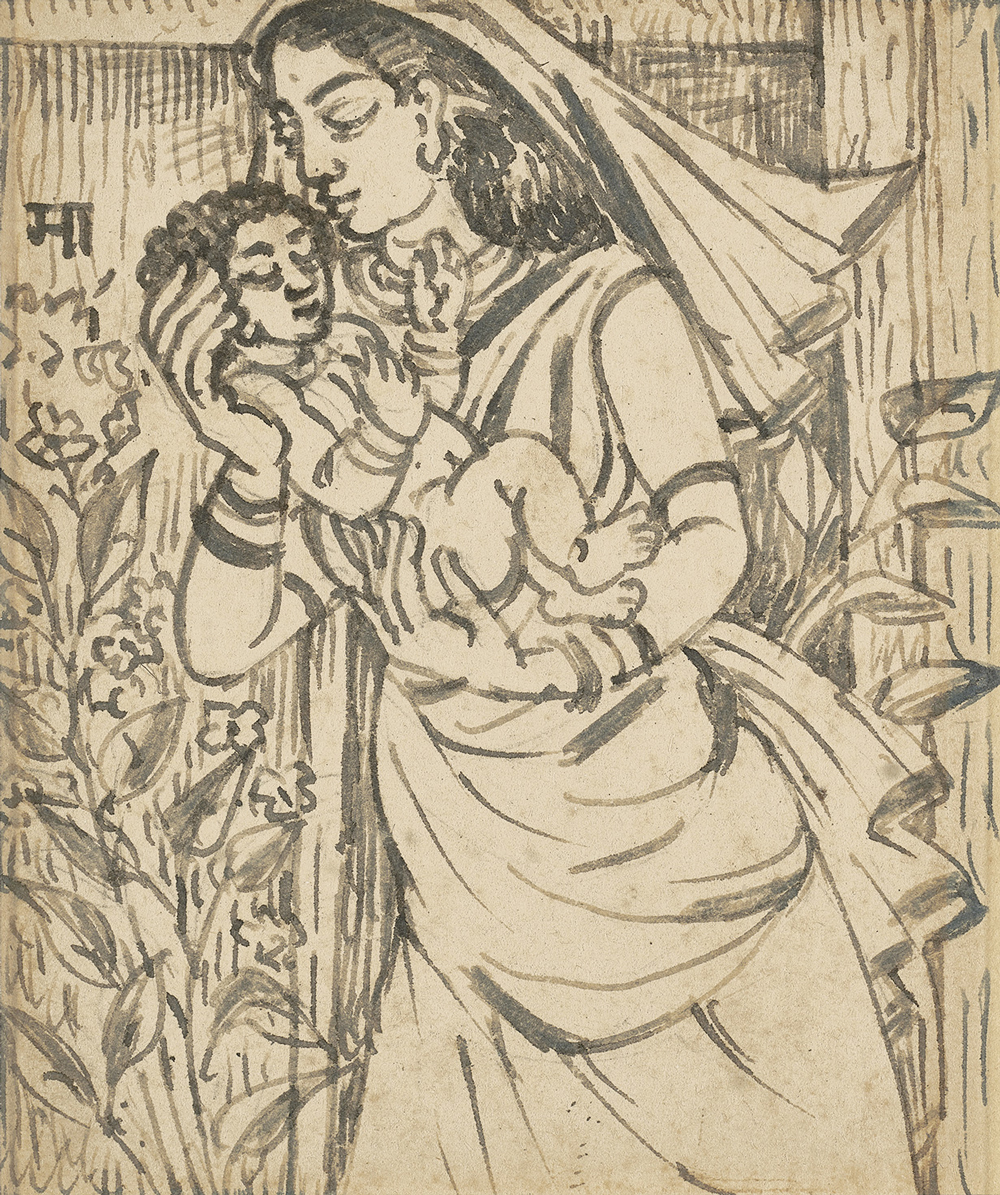
In Nandalal Bose's art, women are portrayed with profound grace and dignity, embodying strength and resilience in their nurturing roles. One of his most evocative pieces, "MA," depicts a mother holding her sleeping child, exuding tenderness and love. The loose, expressive lines and careful shading convey the deep emotional bond between them, set against a backdrop of foliage that enhances the sense of intimacy and warmth.
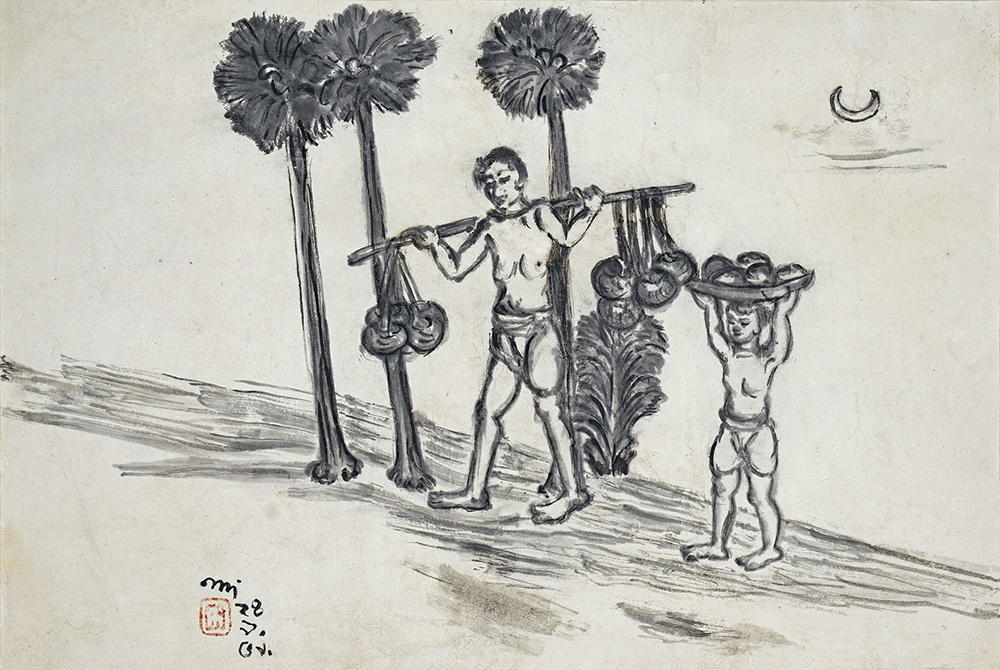
Bose's representation of women extends beyond motherhood. He frequently illustrated their engagement in essential village activities, emphasising their integral role in sustaining rural life. Through his images, he not only highlights the physical toils of women but also their significant contributions to the social fabric of village life.
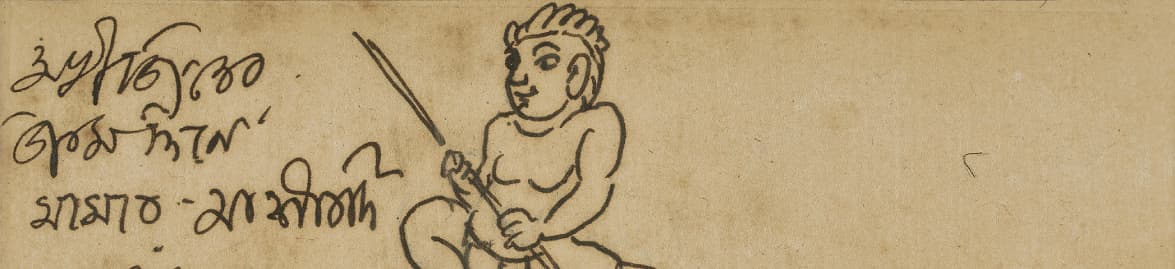
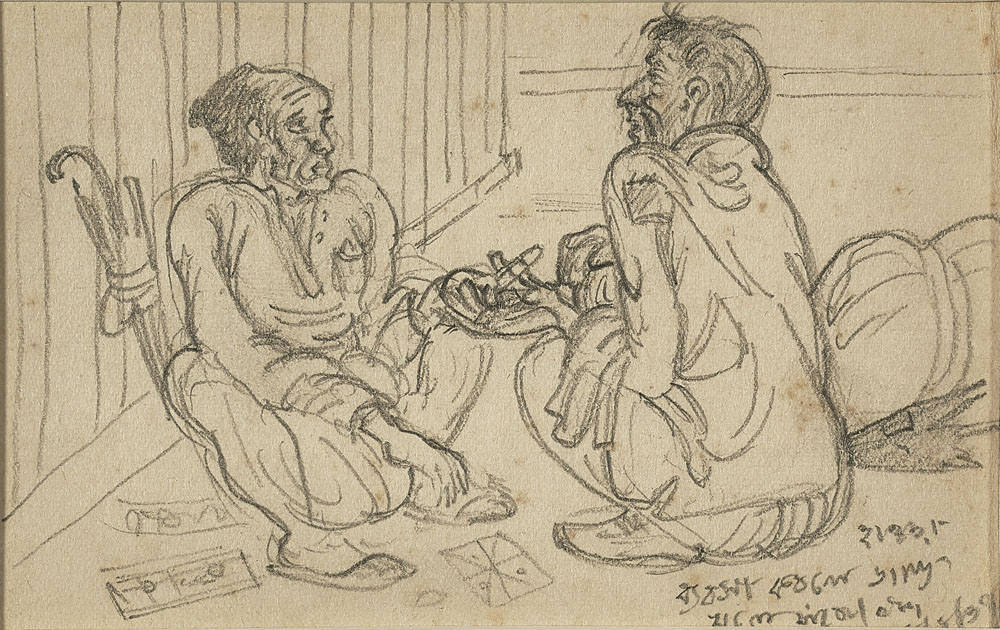
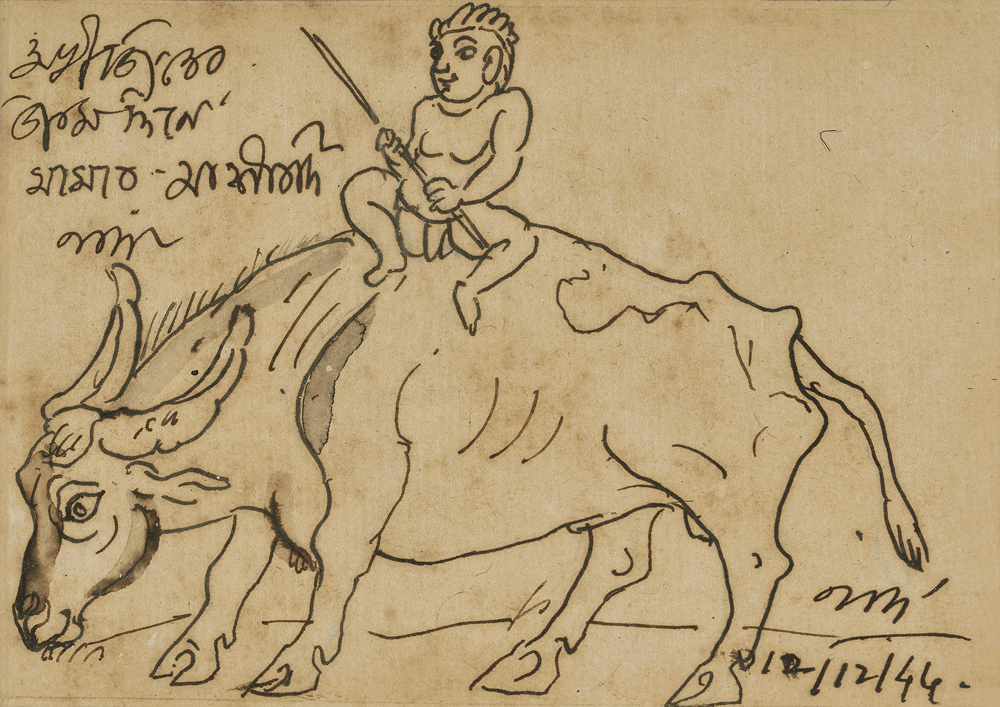
Additionally, works such as "Boy on Buffalo" and "The Ticket Inspector" showcase the broader narrative of rural existence, reflecting the interconnected lives within the community. The simplicity and fluidity of these drawings convey a sense of motion and energy, adding layers to the understanding of village dynamics. In these pieces, the relationships between individuals and their environments are palpable, reinforcing Bose's celebration of rural life and the women who play pivotal roles within it.
Bose’s artistic vision goes beyond mere representation; it encapsulates the spirit of a community, weaving the stories of women into the larger tapestry of Indian culture. Through his vibrant portrayals, he ensures that their experiences, struggles, and strengths are honoured and remembered.
Depiction Of Women & Village Life
Nandalal Bose's depictions of women and village life are central themes in his artistic journey, reflecting his deep connection to rural India and his commitment to celebrating its cultural richness. In many of his paintings, women are portrayed as powerful and dignified figures, integral to the rhythms of rural life. Whether depicted as farmers, weavers, or caretakers, Bose's women exude strength, resilience, and grace. His careful attention to their everyday activities reveals a reverence for their role in the continuity of village life and their contribution to the fabric of the community. The simple, yet profound, way he rendered women reflects the respect Bose had for their importance in rural society.
Bose’s portrayal of village huts and life further emphasizes his admiration for rural India. In his works, village huts are not just structures, but symbols of the simplicity, self-reliance, and spiritual connection to the land. Through his use of earthy tones, flowing lines, and stylized forms, Bose depicted the rural landscape as one of harmony and natural beauty. The huts are often shown as part of a larger, interconnected world where nature, people, and architecture exist in a balanced relationship. His focus on village life, with its simplicity and deep cultural ties, was a deliberate counterpoint to the urbanization and Westernization that were rapidly changing India during his time.
Through these depictions, Nandalal Bose conveyed a message of cultural pride and unity, celebrating the rural life that he saw as the heart of India's heritage. His portrayal of women and village life was not just an artistic choice, but a political statement. By highlighting the dignity of ordinary, rural people and their traditional lifestyles, Bose sought to remind the nation of its roots, promoting a vision of India that was self-reliant and grounded in its cultural past. Through his art, he encouraged a return to these values during a period when the country was seeking independence and redefining its identity.
The story of Nandalal Bose is not one to be completed in a single read—it’s a continuing narrative that unfolds through his paintings. Click here to embark on your own personal journey through his works and experience the artistry that sets him apart.