


symbolism in modern indian art: the use of motifs
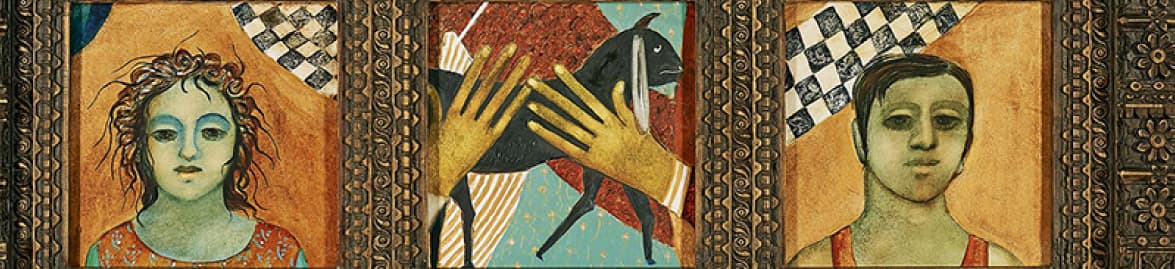
Indian art, with its rich history and cultural depth, has long been steeped in symbolism. Modern Indian artists have continued to explore and employ symbols drawn from India’s diverse heritage, mythology, and societal realities. The recurring motifs in their works carry deeper meanings while addressing personal, social, and cultural narratives.
Each artist’s unique use of motifs serves as a tool for personal expression while also connecting to broader socio-political and spiritual themes. Shared below are five prominent modern Indian artists and the symbolic motifs used by them;
• Arpana Caur: The Strings
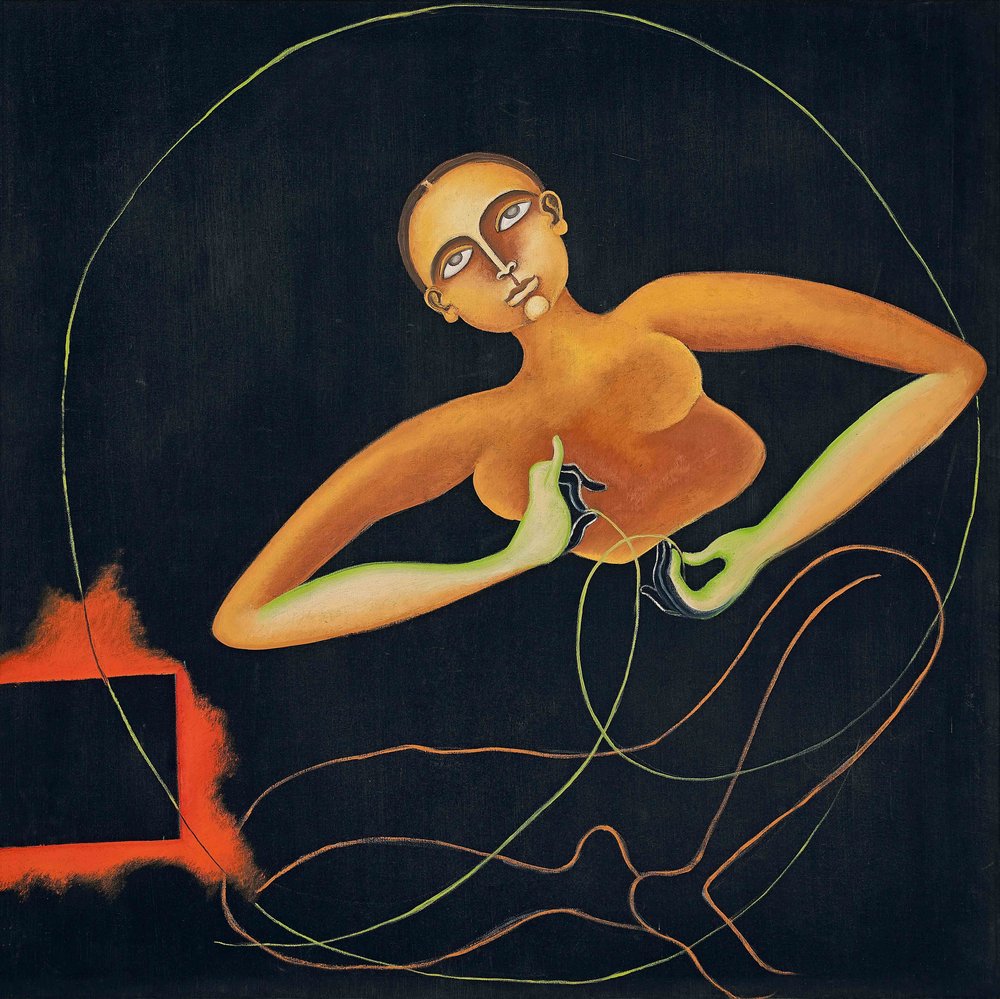
Arpana Caur is a modern artist who utilises symbolism to explore themes of connection, identity, and the human condition. One of her signature motifs is the string, which appears in many of her works. For Caur, the string is not just a material object but a symbol of connection linking people, emotions, different generations, or ideas. It represents the bonds that tie individuals to each other and the continuity of life.
In Arpana Caur’s art, the thread metaphorically expresses the delicate balance between strength and fragility, as it intertwines and holds together various aspects of life, particularly the experience of womanhood and the struggles and resilience that come with it.
• Thota Vaikuntam: Parrots & Mirrors
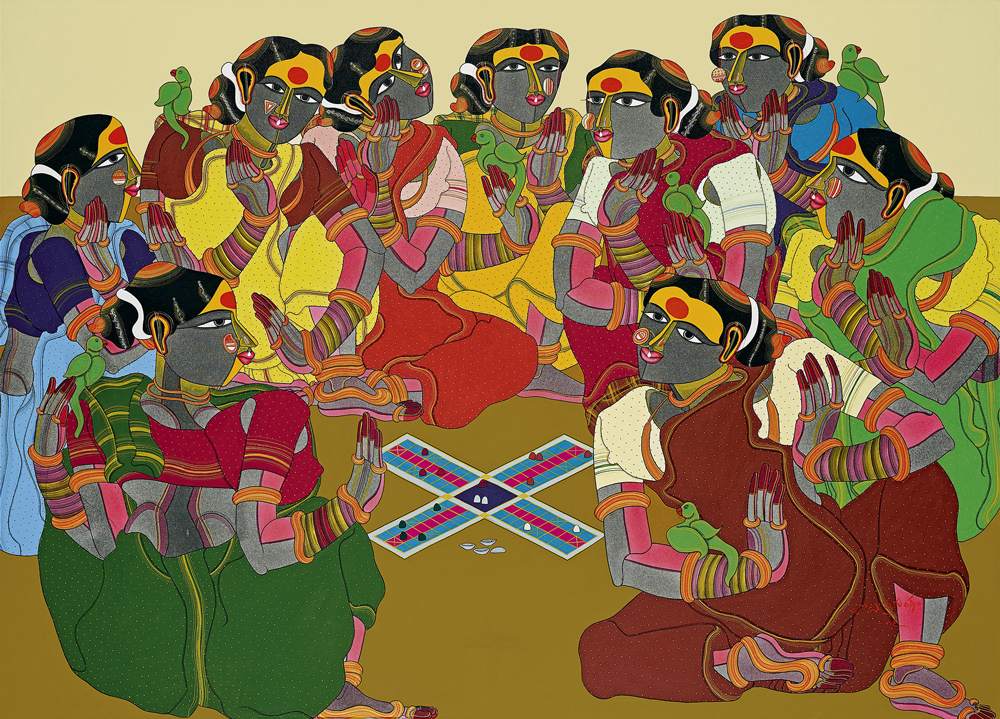
Thota Vaikuntam’s art is characterised by its vibrant use of colour and its celebration of rural Indian life. Among the most striking symbols in his work are the parrots and mirrors, both of which carry deep meanings. Parrots, often perched on the figures in his paintings, are symbolic of communication, transformation, and spiritual connection. In many Indian cultures, parrots are believed to be messengers that bridge the human and divine worlds, offering insight and wisdom. In Vaikuntam’s art, they are often associated with the rural context, representing the continuity of tradition and spiritual harmony.
The mirror is another recurring motif in Vaikuntam’s work, symbolising self-reflection, introspection, and personal identity. Mirrors, in Indian tradition, also signify clarity and truth. By incorporating this element into his paintings, Vaikuntam invites viewers to consider the internal journeys of his subjects and to reflect on the complexities of identity, both personal and collective.
• Anjolie Ela Menon: The Crow, Kite, & Chair
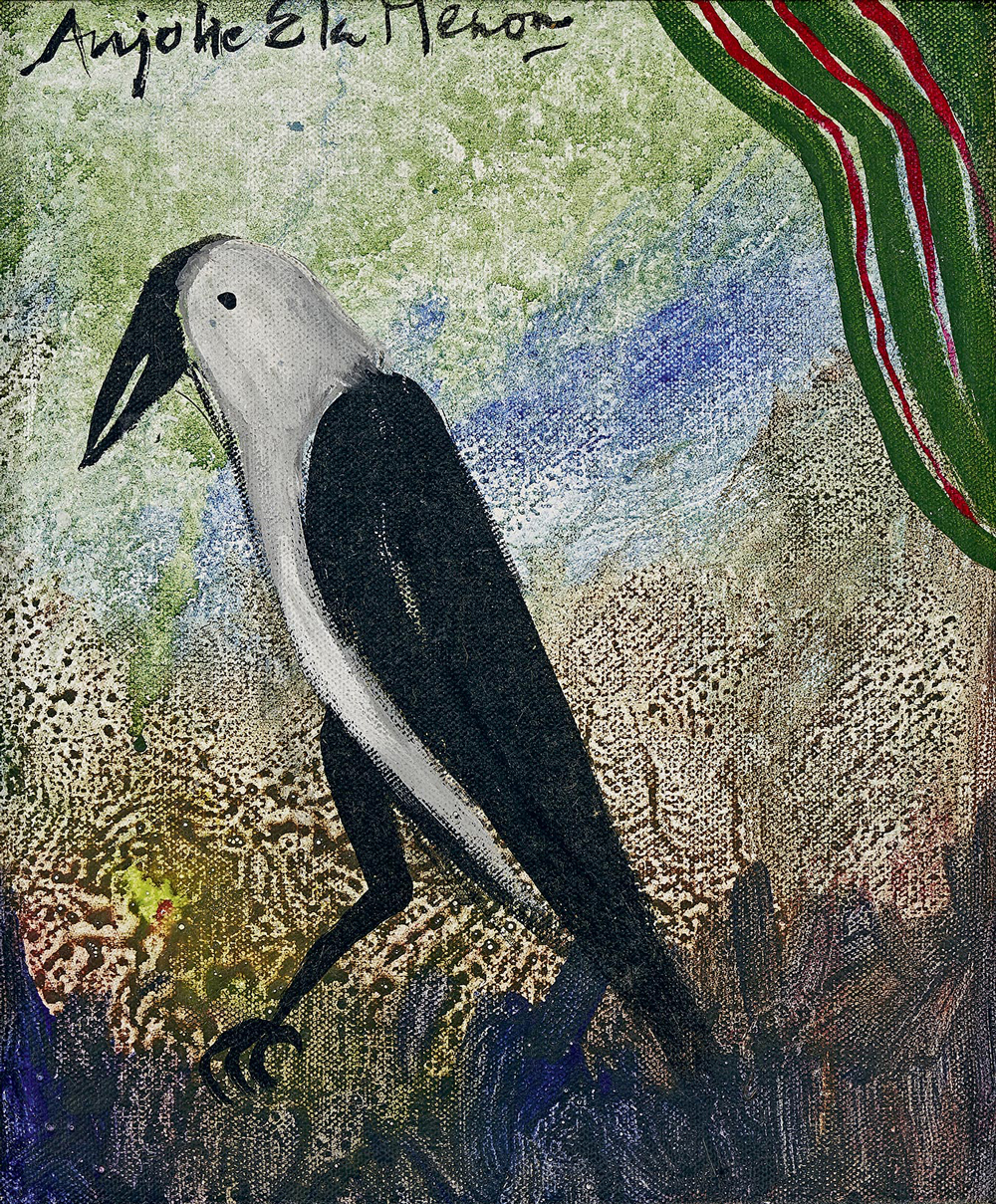
Anjolie Ela Menon’s art is full of symbolic meaning, with everyday objects carrying layers of emotional and narrative significance. Among the key motifs in her work are the crow, kite, and chair. The crow, an animal deeply embedded in Indian mythology and folklore, is often associated with death, the afterlife, and the transient nature of life. In Menon’s work, the crow becomes a symbol of mortality, the inevitable passage of time, and the fragile nature of existence.
The kite is a symbol of freedom, flight, and aspiration. It carries connotations of breaking free from the constraints of the earth and reaching for the sky. In many of Menon’s pieces, the kite represents the desire for release from the limitations imposed by society or the self.
The chair, often featured in her works as an empty or solitary object, evokes themes of absence, loneliness, or waiting. It can represent a place of authority or power, but also of solitude and emptiness. In a broader sense, the chair symbolises the human desire for stability, connection, and belonging, providing a sense of comfort amidst the flux of life.
• K K Hebbar: The Peacock
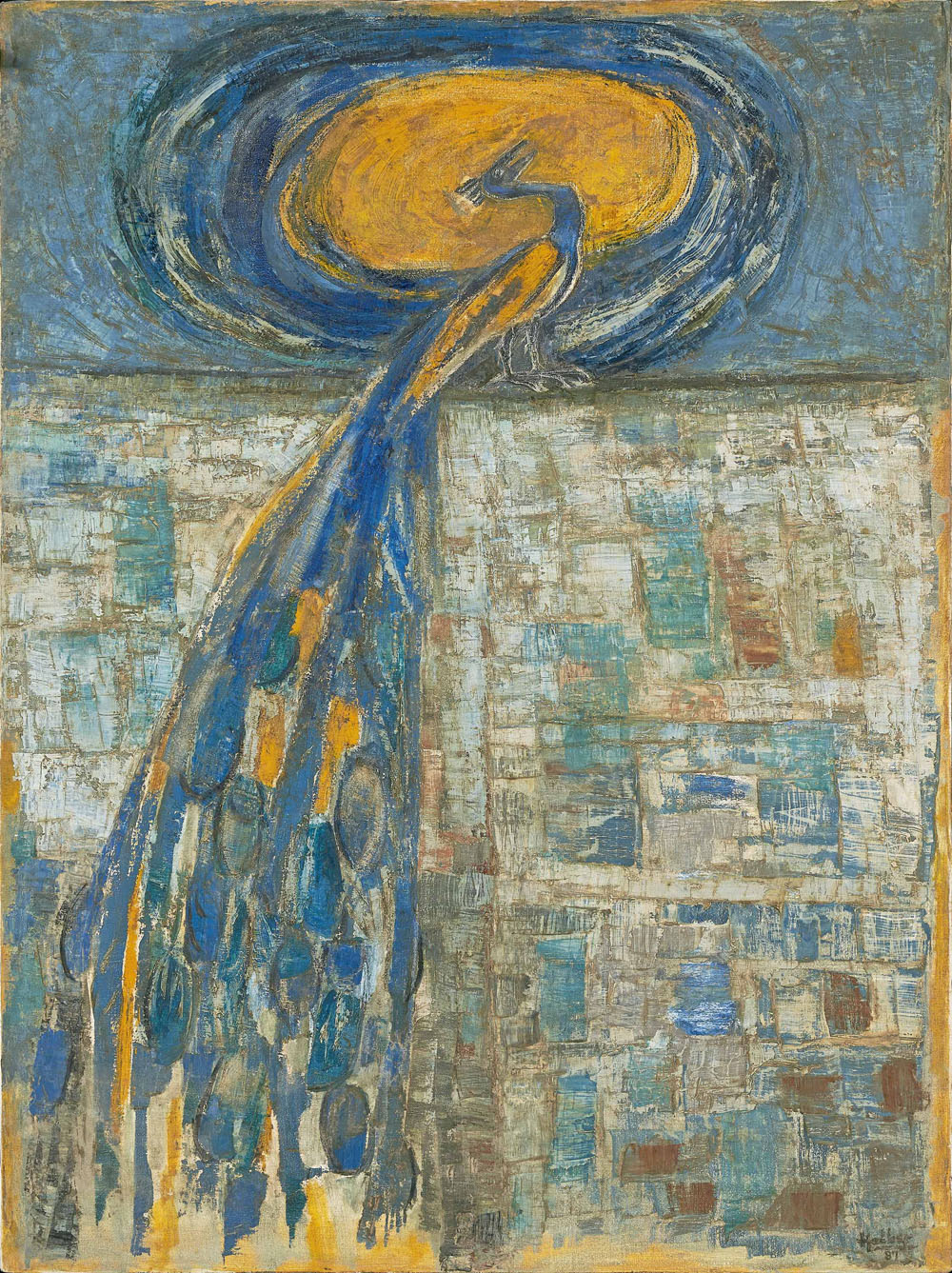
K K Hebbar, a renowned Indian artist, was known for his use of symbolism to depict themes of identity, cultural heritage, and spiritual life. One of the prominent motifs in his work, the peacock, holds significant cultural and religious symbolism in India. As the national bird of India, the peacock represents beauty, grace, and vibrancy.
K K Hebbar’s use of the peacock, in both abstract and figurative forms, highlights the bird’s symbolic role as a bridge between the earthly and the divine. Its colourful feathers and elegant posture suggest beauty and spiritual transcendence. The peacock motif in Hebbar’s work can also be seen as a metaphor for cultural pride and identity, reflecting both the artist’s personal connection to Indian traditions and the universal quest for inner beauty and spiritual growth.
• Rameshwar Broota: The Human Form
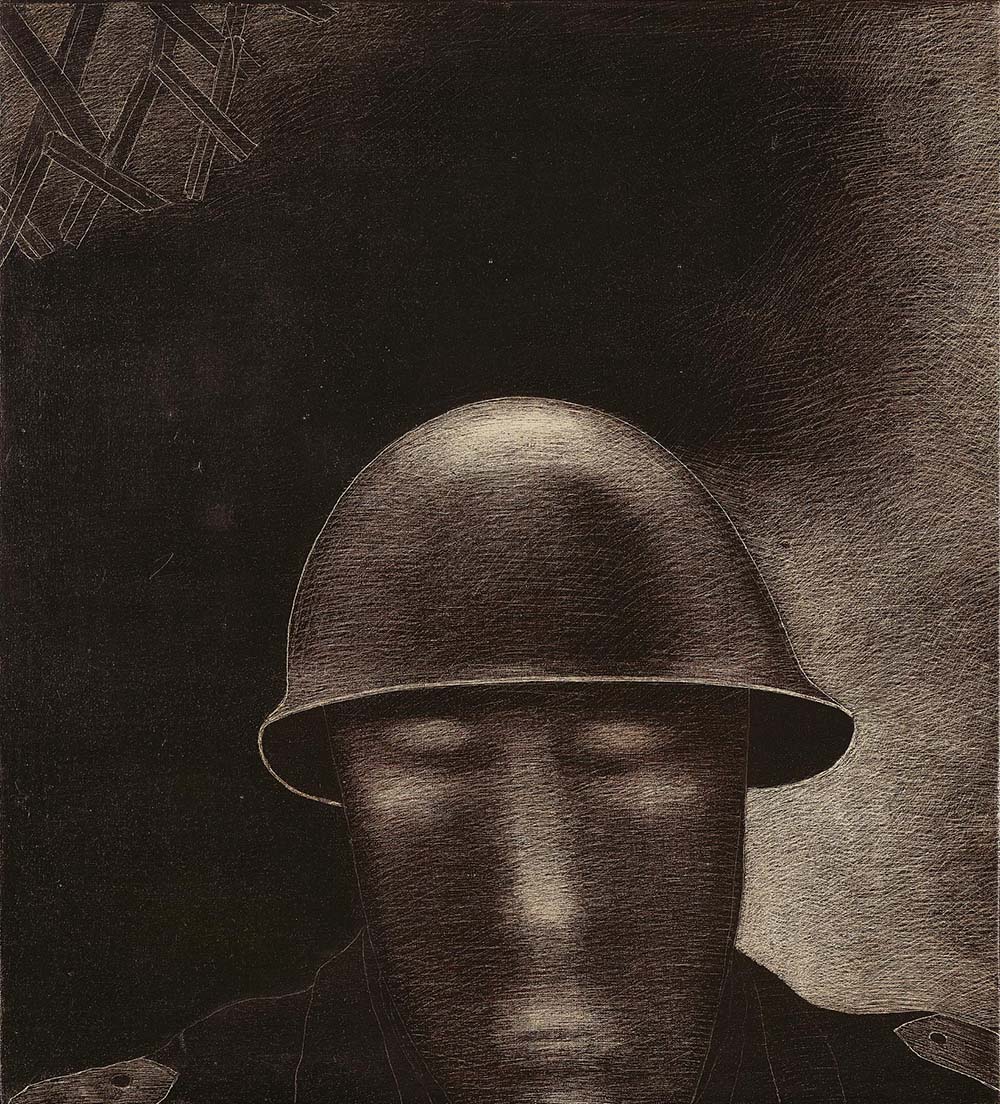
Rameshwar Broota’s art is deeply focused on the human figure, which serves as a powerful symbol for exploring psychological and emotional themes. Broota often depicts fragmented or distorted human forms to convey the internal struggles and complexities of existence. His human figures are not idealised but are shown in moments of tension, conflict, or alienation, gently highlighting the vulnerabilities of the human condition.
The fragmented human form is a symbol of disintegration, isolation, and internal conflict, and can also be interpreted as a commentary on the fractured nature of modern existence. Broota’s approach challenges conventional notions of identity and beauty, offering a raw, unvarnished view of humanity. The human body, in his works, becomes a symbol for the broader existential questions faced by individuals in a rapidly changing world.
The symbolism embedded in the works of Arpana Caur, Thota Vaikuntam, Anjolie Ela Menon, K K Hebbar and Rameshwar Broota reveals how modern Indian artists continue to draw on rich cultural traditions while engaging with contemporary issues. Whether it’s Arpana Caur’s strings, Vaikuntam’s parrots and mirrors, Menon’s crows, kites, and chairs, Hebbar’s peacock, or Broota’s fragmented human forms, these artists use recurring motifs to express complex ideas about identity, spirituality, and the human experience. Through symbolism, they offer us a glimpse into the spirit of modern India, inviting us to reflect on the connections that bind us to one another and the world around us.




