the indian artist study - rameshwar broota

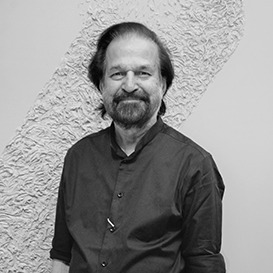 Rameshwar Broota (born 1941) is a noted figure in Indian art, known for his powerful & introspective exploration of the human condition. He is known for his figurative paintings particularly of male bodies, both muscular & thin that explore themes of human existence, identity and the interplay between man & nature. He frequently incorporates human figures and faces into his works, inviting viewers to reflect on the human condition. He is recognized for his innovative technique of layering in painting, where he builds depth and texture by applying multiple layers of paint. This technique creates a sense of dimensionality and complexity in his artwork. In a nutshell, Rameshwar Brootra’s art is all about delving into the human form and raising thought-provoking social issues. His inventive methods places him at the forefront of contemporary Indian art, cementing his significance in the field.
Early Life & Background
Born in 1941 in Delhi, India, Broota’s early life was marked by a deep interest in art, which was nurtured through his academic and cultural upbringing. He went on to study at the prestigious College of Art in New Delhi, where he honed his skills in drawing and painting. His academic training helped lay the foundation for his future work, though his style and techniques would eventually evolve in unique ways.
Broota's early exposure to the rich cultural heritage of India, combined with a growing interest in the social and psychological aspects of the human condition, greatly influenced his later artistic journey. He initially began his career with figurative work but gradually developed a more abstract style, often focusing on the emotional weight of human experience. His works are deeply introspective, reflecting themes of isolation, power, and identity. Throughout his career, Broota has consistently explored the juxtaposition of strength and vulnerability in the human figure, creating powerful visual narratives that resonate with viewers on a visceral level. His background in art education, combined with his exposure to both Indian and Western art traditions, contributed to his ability to fuse technique with profound emotional depth in his artworks.
Later Life
In his later life, Rameshwar Broota continued to evolve as an artist, gaining widespread recognition for his unique style and contribution to Indian contemporary art. Over the years, his works became more introspective and conceptual, often delving into deeper psychological and social issues. Broota's exploration of the human form remained central to his art, but he began incorporating new techniques and mediums, such as his signature use of textures and layering, to create pieces that were both visually striking and thought-provoking. His works continued to reflect themes of power, vulnerability, and identity, drawing from personal experiences and the broader socio-political landscape of India.
As he gained prominence, Broota's influence expanded beyond India, with his works being showcased in major international exhibitions. His participation in prestigious art shows helped establish him as a leading figure in the global art scene. Despite his success, Broota remained deeply connected to his roots, frequently drawing inspiration from his surroundings and the changing dynamics of society. His later years were marked by a sense of introspection, often questioning the complexities of human existence. Broota's legacy as an artist is marked not just by his technical mastery but by his ability to use art as a medium to explore the deepest aspects of human experience. His works continue to inspire and challenge new generations of artists and art enthusiasts.
Family Background
Rameshwar Broota comes from a family that valued education and creativity, which likely played a significant role in shaping his artistic journey. His upbringing in Delhi exposed him to the rich cultural and intellectual environment of the city, which influenced his perspective on art and life. While specific details about his family members are not widely documented, it is known that Broota’s family provided him with the encouragement and resources needed to pursue his passion for art. His early education at the College of Art in New Delhi, where he trained as a fine artist, was an essential foundation in his career, and his family's support allowed him to pursue this path.
Rameshwar Broota has been married twice. His first wife, Shobha Broota was an important part of his early life. After their separation, he married Vasundhara Tewari Broota who has been a significant presence in his personal and professional life. Vasundhara Broota has been a supportive partner, contributing to his journey as an artist. Both women have played important roles in different chapters of his life, providing emotional support and being influential in his career.
Education
Rameshwar Broota’s formal education laid the groundwork for his development as a prominent figure in Indian contemporary art. He pursued his initial studies at the College of Art in New Delhi, where he refined his skills and technical abilities in painting and drawing. The institution was pivotal in shaping his artistic sensibility, providing him with both the academic discipline and exposure to different artistic practices. Broota’s time at the College of Art helped him gain a deep understanding of classical techniques, while also encouraging him to explore more contemporary approaches to art.
Broota's academic journey was not just limited to technical training but also involved a broader intellectual engagement with the history of art and the social and psychological aspects of human existence. His education provided him with the tools to critically engage with the human form, and he soon became known for his exploration of emotional depth and psychological complexity in his paintings. Over time, he moved away from purely traditional practices, blending elements of Western and Indian artistic traditions, and experimenting with new mediums. This combination of strong academic training and innovative exploration contributed to Broota's emergence as a significant figure in the Indian modern art movement, whose works reflect a unique fusion of technical skill and conceptual depth.
Artistic Journey & Development
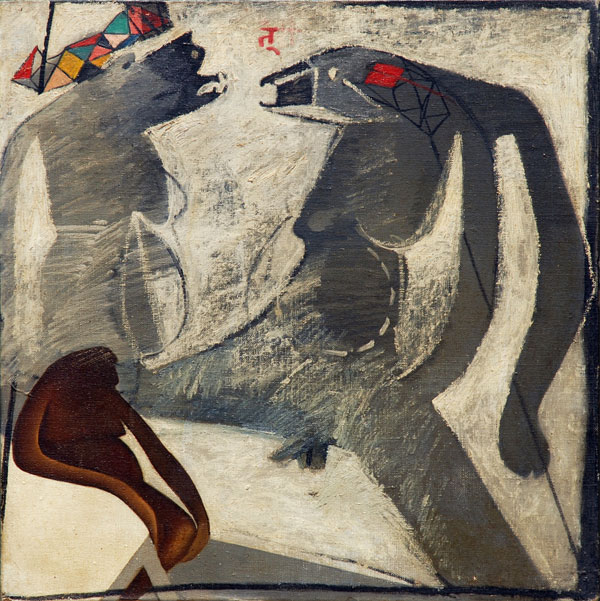 Rameshwar Broota’s artistic journey is marked by a continuous evolution in both style and thematic exploration. Early in his career, he was deeply influenced by the traditional and figurative art forms, reflecting his academic training at the College of Art in New Delhi. His initial works focused on the human figure, often depicting individuals in stark, emotive states. This period of his work was grounded in realism, showcasing his skillful rendering of the human form. However, as Broota’s artistic practice matured, he began to explore more abstract concepts, moving away from the constraints of conventional realism to develop a unique visual language. This shift allowed him to delve deeper into the psychological and emotional dimensions of his subjects, creating pieces that were not only visually compelling but also conceptually complex.
Over the years, Broota’s work evolved to incorporate texture, layering, and symbolic imagery, which helped him convey the psychological depth and inner turmoil of his subjects. One of his most iconic series, the "Man" series, for example, showcases his exploration of the human figure and its vulnerability, often portraying figures that are fragmented or obscured by powerful, textured surfaces. These works reflect his fascination with the internal struggles and emotional complexities of individuals, echoing themes of isolation, power, and identity. His engagement with both Indian and Western artistic traditions allowed him to experiment with new techniques and mediums, ultimately forging an artistic identity that was both modern and deeply introspective.
Rameshwar Broota’s artistic journey was not only about technical innovation but also about engaging with broader cultural and societal issues. His works often reflect the tension between individual identity and the larger societal forces at play, incorporating elements of both abstraction and figuration to address these themes. As he progressed in his career, Broota became a prominent figure in the Indian contemporary art scene, exhibiting widely both in India and internationally. His works continue to be celebrated for their emotive power, technical mastery, and philosophical depth, securing his place as one of India's most important modern artists.
Philosophy
Rameshwar Broota’s artistic philosophy is deeply rooted in exploring the human condition, often emphasizing themes of vulnerability, isolation, power, and identity. He believes that art should serve as a mirror to human emotions and psychological states, capturing the raw, complex realities of existence rather than merely aesthetic forms. Broota's approach to art is characterized by a profound engagement with texture, color, and form, using these elements to convey the internal struggles, inner turmoil, and emotional depth of his subjects. His works are not just visually compelling but also introspective, encouraging viewers to reflect on their own emotions, experiences, and perceptions of identity. Broota's philosophy aligns with a modernist sensibility that seeks to explore the boundaries between abstraction and figuration, blending traditional techniques with innovative methods to create powerful, evocative pieces that resonate with viewers on a deep, personal level.
Painting Style & Techniques
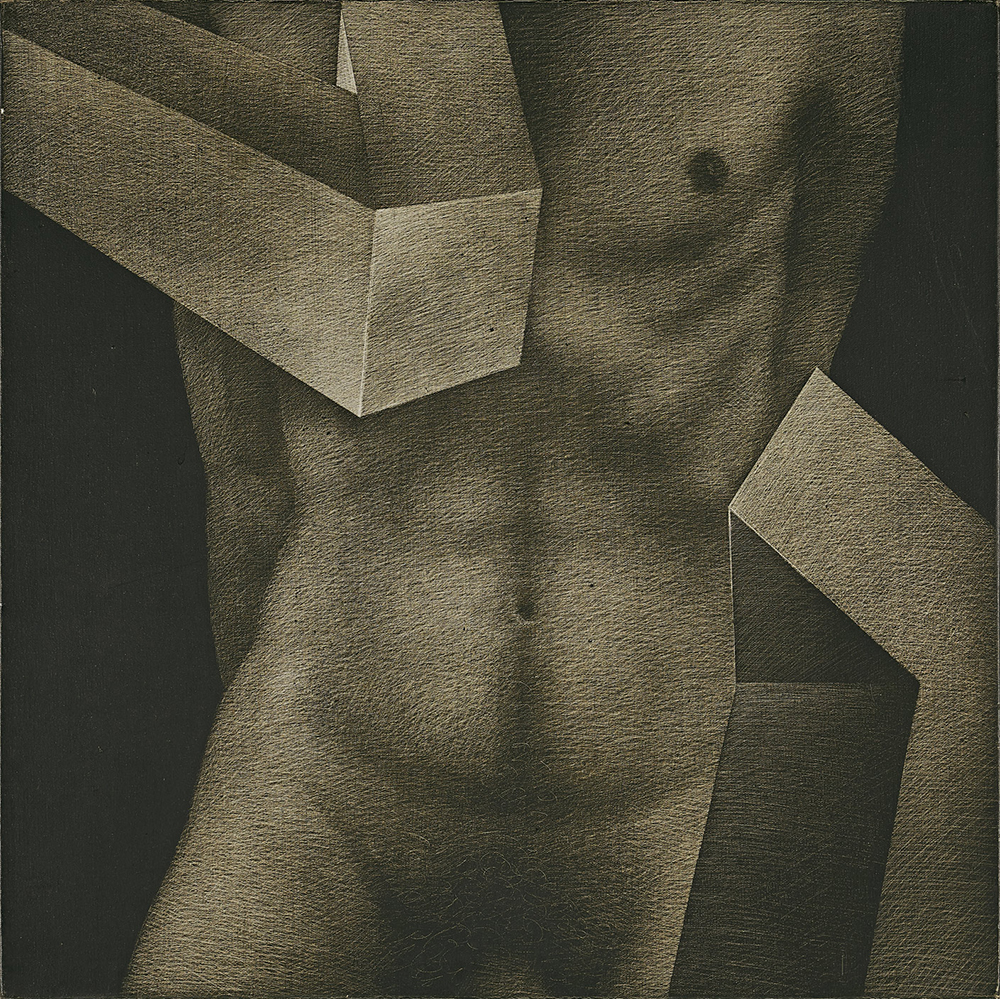 Rameshwar Broota's painting style is distinct for its emotive power and psychological depth, combining figuration with elements of abstraction. His works often feature the human form, but it is the manipulation of textures and surfaces that distinguishes his approach. One of his signature techniques is the use of thick, layered textures to evoke a sense of emotional weight and intensity. These textured surfaces create a tactile quality that invites viewers to engage with the physicality of the painting, adding to the overall sense of psychological complexity. Broota’s figures, while often realistic in their anatomical proportions, are distorted or obscured by these textural elements, suggesting the inner emotional turmoil or alienation of the subjects.
In terms of color, Rameshwar Broota typically works with a muted, earthy palette, relying on shades of brown, ochre, and grey to create a somber and introspective atmosphere. His careful use of light and shadow further enhances the depth of his compositions, emphasizing the emotional intensity of the figures. While his earlier works leaned more toward realism, Broota gradually moved toward a more abstracted, symbolic approach. His later works, such as the "Man" series, show a greater focus on abstraction, where the human form is fragmented, merged with textures, or obscured by layers, symbolizing the disintegration of identity or the complexity of human emotion. This shift in style reflects Broota's growing interest in exploring the psychological dimensions of his subjects rather than simply portraying them in a realistic manner. The result is a body of work that is visually striking and intellectually challenging, with each painting offering an immersive experience for the viewer.
Famous Paintings
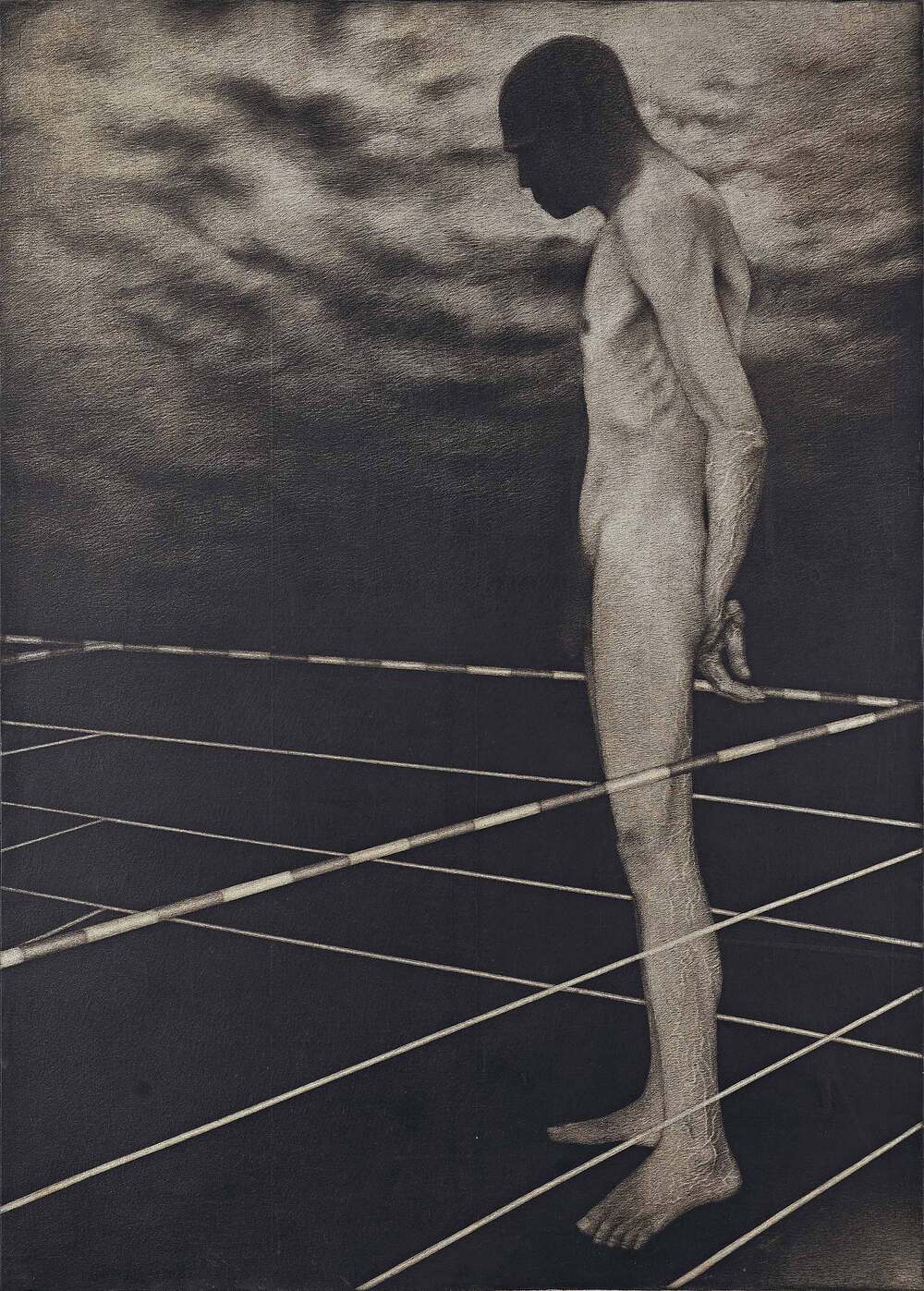 Rameshwar Broota’s artworks are celebrated for their psychological depth, emotive power, and exploration of the human form. His famous paintings often delve into themes of isolation, identity, vulnerability, and power. Below is a list of some of his famous paintings, along with brief descriptions:
• Man Series - This series is one of Broota's most iconic and is perhaps his most recognized body of work. The "Man" series portrays fragmented, textured human figures, often focusing on the male form. The figures appear to be struggling with internal conflict, with Broota using thick layers of paint and texture to represent the psychological complexity of the subjects. The isolation and tension in the figures are enhanced by the muted color palette and the way in which the figures seem to dissolve into the background, emphasizing a sense of fragmentation and emotional weight.
• Ape Series - Rameshwar Brootra's Ape Series delves into the relationship between humans and primates, focusing on the primal instincts that coexist with human societal behavior. In this series, Brootra explores the tension between civilization and instinct, creating abstract representations of the human figure in distorted, geometric forms. The works often blur the line between human and animal, using bold lines and shapes to reflect on the complexities of human nature. Through this exploration, Brootra critiques the primal aspects of the human psyche that remain, despite societal advancement, presenting a meditation on humanity’s dual nature.
• Confrontation Series - The Confrontation Series by Rameshwar Brootra captures the essence of conflict, both internal and external, within the human experience. Through abstract forms and contrasting colors, the series explores the themes of struggle, clash, and tension. Brootra’s use of sharp lines and geometric shapes reflects the emotional and philosophical undercurrents of human confrontation. The works evoke a sense of opposition, whether it is between ideologies, individuals, or inner psychological forces. The Confrontation Series thus serves as a meditation on the universal nature of conflict, emphasizing the complexities of human interaction and the emotional weight of disagreement.
• Metamorphosis - In the Metamorphosis series, Rameshwar Brootra explores the theme of transformation and the continuous evolution of both the individual and society. The works in this series use organic shapes and fluid forms to symbolize the dynamic nature of change, representing a journey of personal and social evolution. With a focus on growth and self-discovery, Brootra’s compositions reflect the inevitable nature of transformation, suggesting that change is both an external and internal force. The Metamorphosis series emphasizes the fluidity of existence, capturing the constant state of becoming that defines the human condition.
• Self Portrait - In this deeply introspective work, Broota depicts himself not in a traditional portrait format but as a textured and fragmented figure. The use of layered textures here symbolizes the inner emotional and psychological landscape of the artist, rather than just his physical appearance. It reflects the theme of self-exploration and the complexities of identity, with the fragmented form suggesting a break or disconnect between the external self and the internal self.
• The Battle - "The Battle" is another significant work by Broota, where the theme of internal conflict is explored. The painting presents a scene of struggle, not in a literal sense, but in the abstract form of figures entwined in combat, using texture and form to symbolize a psychological battle. The intensity of the piece is heightened by the rough, almost violent application of paint, mirroring the emotional tumult the figures are experiencing.
• Trapped - "Trapped" is another notable work where Broota emphasizes the theme of psychological confinement. The figure in this piece appears to be entangled in a thick texture, almost as if caught within a web of their own emotions. The intense layering of paint symbolizes the oppressive nature of the subject’s inner turmoil, reinforcing the theme of being trapped within one’s own mental and emotional state.
• The Search - In this work, Broota explores the theme of self-discovery and the quest for meaning. The figure in "The Search" is abstracted, with the face partially obscured and the body fragmented, creating a sense of searching or yearning. The work reflects Broota's ongoing fascination with the tension between the external and internal self, where the figure is portrayed in an almost existential state of seeking.
• Embrace - "Embrace" focuses on the theme of human connection and the paradox of intimacy and isolation. The painting depicts two figures intertwined, but the texture and layering of paint obscure the connection, making it both intimate and distant. Broota uses this visual technique to comment on the complexity of human relationships, where even in moments of closeness, there is an emotional or psychological distance that cannot be bridged.
Rameshwar Broota's arts are often marked by an intense focus on psychological and emotional states, explored through the lens of human vulnerability and identity. The recurring use of texture, abstraction, and figuration in his paintings continues to resonate with viewers, offering a compelling insight into the complexities of the human condition.
Characteristics Features Of His Paintings
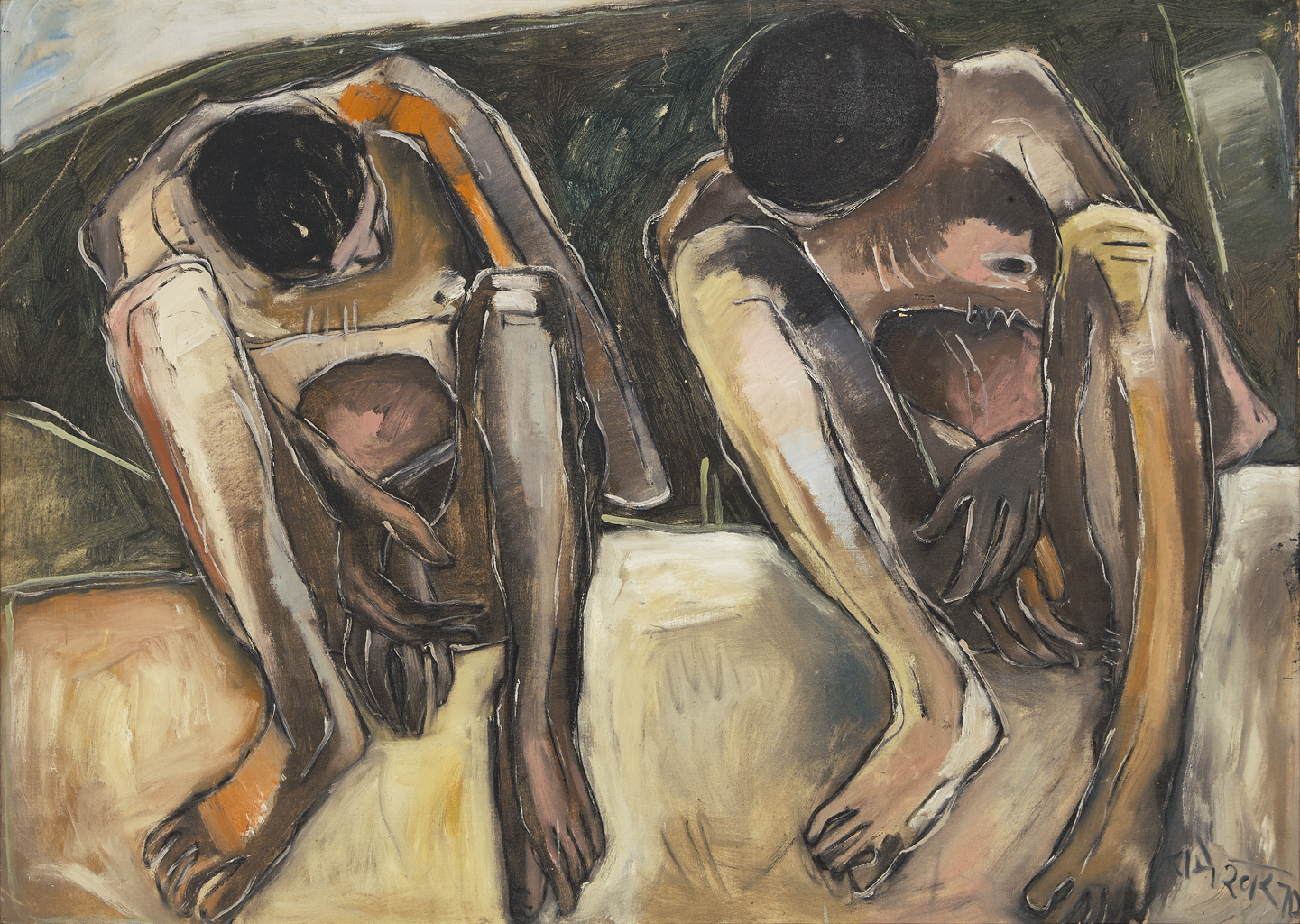 Rameshwar Broota’s artworks are distinguished by their intense emotional depth, psychological complexity, and a unique fusion of figuration and abstraction. A hallmark feature of his work is the exploration of the human form, often depicted in a fragmented or obscured manner. He uses thick, textured layers of paint to create surfaces that are almost tactile, symbolizing the inner turmoil and emotional weight of his subjects. His palette tends to be muted, dominated by earthy tones like browns, ochres, and greys, which enhance the somber and introspective mood of his works. The figures in Broota's paintings are often veiled in abstraction, where faces and bodies may be distorted or fragmented, reinforcing themes of isolation, vulnerability, and identity. His use of texture not only adds a physical dimension to the work but also serves as a metaphor for the psychological barriers and struggles his subjects endure. The juxtaposition of strength and fragility in his figures, combined with his bold, tactile approach, allows Broota’s paintings to resonate deeply with viewers, inviting them to confront complex emotional and existential questions.
Famous Quotes
Rameshwar Broota, while not widely known for a large collection of famous quotes, has often shared insights into his artistic philosophy, emphasizing the deep psychological and emotional aspects of his work. One of his notable thoughts is: "Art is an emotional expression, and it should not be restricted to only visual pleasure." This reflects his belief that art should not just be a beautiful visual experience but a medium through which complex, often uncomfortable, emotions are conveyed. Broota has also spoken about the inner turmoil and vulnerability of the human condition, noting that his paintings often explore themes of isolation and identity. He has expressed that his art is an attempt to confront the unspoken and the suppressed emotions of individuals and society, stating, "The human figure is an emotional landscape." His quotes reflect a commitment to using art as a tool for introspection and expression, engaging with the viewer on a deeper, more psychological level.
Accomplishments - Awards Won
Rameshwar Broota has received several accolades and awards throughout his career in recognition of his contributions to the art world. Some of his key accomplishments and awards include:
• National Award (1980).
• Lalit Kala Akademi Award (1975).
• Gold Medal, All India Fine Arts and Crafts Society (AIFACS) (1976).
• Sahitya Kala Parishad Award (1990).
• State Awards.
These accolades, along with his consistent presence in prestigious art galleries and exhibitions across the globe, mark Rameshwar Broota as a highly accomplished and influential figure in contemporary Indian art.
Contributions & Impact On Indian Art
Rameshwar Broota has made significant contributions to the landscape of contemporary Indian art, shaping its evolution through his bold exploration of the human form and psychological depth. His work, deeply introspective and emotionally charged, addresses universal themes of identity, isolation, power, and vulnerability, making his art resonate with audiences globally. By using abstraction and intense textures, Broota has pioneered a unique visual language that merges traditional techniques with modern expressions, pushing the boundaries of figuration and abstraction in Indian art. His focus on the human figure, often fragmented or obscured, challenges conventional representations of identity and selfhood, encouraging viewers to confront their own internal struggles. Through his exhibitions in India and internationally, Broota has helped bring Indian contemporary art to the global stage, influencing a new generation of artists to engage with social and psychological themes in their work. His contributions extend beyond his artworks, as his thought-provoking approach has enriched the discourse on the role of art in reflecting and shaping human experience.
Conclusion
Rameshwar Broota's legacy as an artist is defined by his powerful and original paintings that delve deep into the human psyche, exploring themes of isolation, identity, and vulnerability. His beautiful paintings, often created on canvas using oil paints, are known for their textured surfaces and emotional intensity, which set them apart in the world of contemporary Indian art. Broota's canvas paintings, marked by their raw depiction of the human form, have captured the attention of collectors and art lovers alike. His works are frequently featured in art auctions, where the prices of his paintings continue to rise, reflecting both their aesthetic appeal and intellectual depth. Broota's influence extends beyond the art market, as his prints and original works continue to inspire new generations of artists. His ability to blend technique with profound psychological insight has ensured that his paintings remain timeless, both in artistic value and in the emotional resonance they evoke.
Now that you’ve gained insight into Rameshwar Broota work, we encourage you to visit his paintings here and see firsthand how his artistic journey unfolds on each canvas.