the navratnas: india’s most influential modern art masters
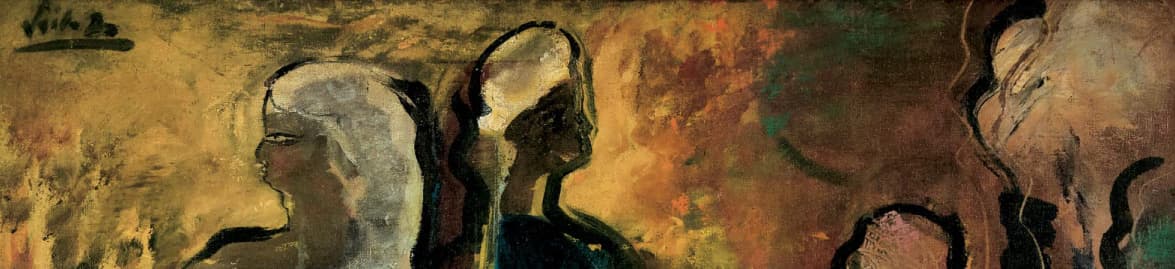
The Navratna, consisting of nine gems of Indian art shaped the course of modern Indian art. This elite group, through its perfect blending of tradition and innovation, has inspired generations and remains a torchbearer for the future of Indian visual arts. Each member of this group made a strong contribution to Indian art, producing legacies that reflect both the cultural heritage of India and the spirit of modernity.
1. Raja Ravi Varma: The Indian Pioneer of Art
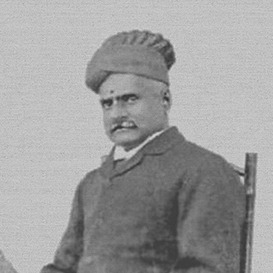
Raja Ravi Varma is one of India's most celebrated painters. He was known for his ability to fuse European techniques with traditional themes from the Indian subcontinent, injecting a unique flavour. His contribution to the visual arts extends beyond his lifetime, influencing both popular and classical movements in Indian art. His work is embedded within the cultural fabric of India and continues to inspire contemporary artistic practice.
2. Rabindranath Tagore: The Visionary Poet and Artist
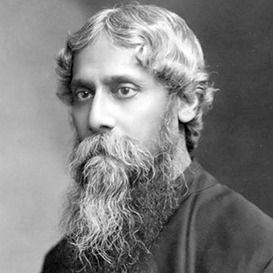
Rabindranath Tagore, the literary mastermind, was also a trained visual artist and one of India's pioneers when it comes to exploring abstraction and individual expression. Through his work, he broke the shackles that held Indian artistic expressions back, finding new vocabularies for India's visual artists. His works were reflections of his vision for an independent India, with philosophical and spiritual concerns at the forefront of his mind.
3. Gaganendranath Tagore: The Modernist Innovator
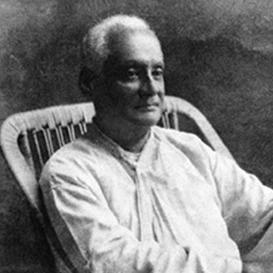
Gaganendranath Tagore was the brother of Rabindranath Tagore and played a significant role in introducing European modernist influences to India. His experimentation with abstraction, which differed from traditional Indian styles, helped lay the groundwork for modernism in Indian art. His work within the Bengal School of Art was key in merging Western modernist techniques with Indian artistic traditions. Gaganendranath's contributions to modernist art in India remain significant.
4. Abanindranath Tagore: The Father of Indian Modern Art
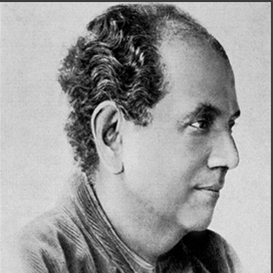
Abanindranath Tagore, the founder of the Bengal School of Art, is often called the father of modern Indian art. His unique style, blending nationalism with symbolist techniques, defined a new wave of Indian artistic expression. Tagore's work was influenced by the Indian cultural and political scenario under British colonial rule, and he was instrumental in defining India's artistic identity. His focus on Indian heritage and cultural pride remains the foundation of Indian modernism.
5. Nicholas Roerich: The Mystic Painter
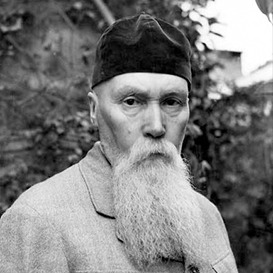
The mystic landscapes and spiritual world of Nicholas Roerich, a Russian artist, found their home in India. His paintings reflected the glory of the Himalayas and holy symbols of his native land, as if inspired directly by them. Roerich introduced a mystical dimension to Indian art, much appreciated in both India and beyond. He holds an important position in the religious and artistic communication between India and the world.
6. Nandalal Bose: The Pioneer of Indian Modernism
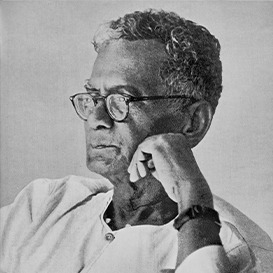
A student of Abanindranath Tagore, Nandalal Bose played a very important role in modernism in India. His art combined traditional Indian forms with modernist principles, a departure from established styles. His public art, especially the murals at Rashtrapati Bhavan, reflected Bose's mastery in merging classical and contemporary techniques. Nandalal's ability to balance modernity and tradition cemented his position as a major figure in Indian modernism.
7. Jamini Roy: The Folk Artist Maestro
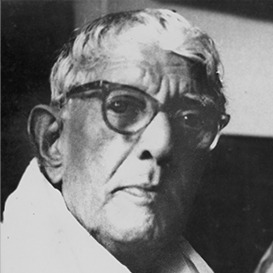
Jamini Roy was a popular folk artist. A staunch follower of local Indian arts, Jamini Roy became famous mainly for his choice of colours and his focus on the villagers around him, giving his celebration an importance attached to folk Indian heritage. Being a key figure that bridges modern art with folk forms, Jamini Roy's legacy continues to inspire upcoming artists in India.
8. Sailoz Mookherjea: The Expressionist Visionary
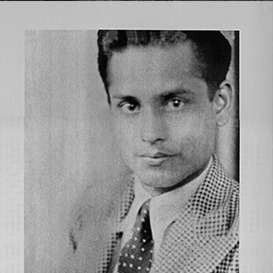
The expressionist visions of Sailoz Mookherjea moved landscapes and styles to encapsulate both the Indian world and the real world. Colour, form, and light became the media that portrayed the human condition in powerful imagery. His contribution to the Indian Expressionist movement was foundational, with his art expressing the emotions he intended.
9. Amrita Sher-Gil: The Modern Indian Woman Artist
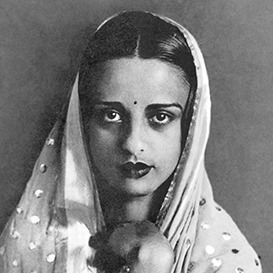
One of India's most celebrated modernist painters, Amrita Sher Gil works carried the characteristic stamp of boldness and intimacy, portraying women and cultural themes. Drawing from both Western and Indian art traditions, Sher-Gil's themes explored identity, gender, and culture. Her vision was deeply personal and profoundly influenced by her own experiences. A forerunner of modern Indian art, Sher-Gil’s works changed the course of Indian art history, leaving an indelible mark.
In conclusion, the Navratna represents a pivotal moment in the history of modern Indian art. These nine artists, each with their unique contributions, have not only shaped the course of Indian art but also established a lasting legacy that continues to inspire. By blending tradition with innovation, they paved the way for future generations of artists, ensuring the continued relevance and evolution of Indian visual arts. Their work remains a testament to the cultural richness of India and the transformative power of art in shaping national identity and global understanding.