tracing the evolution, history & significance of contemporary indian art
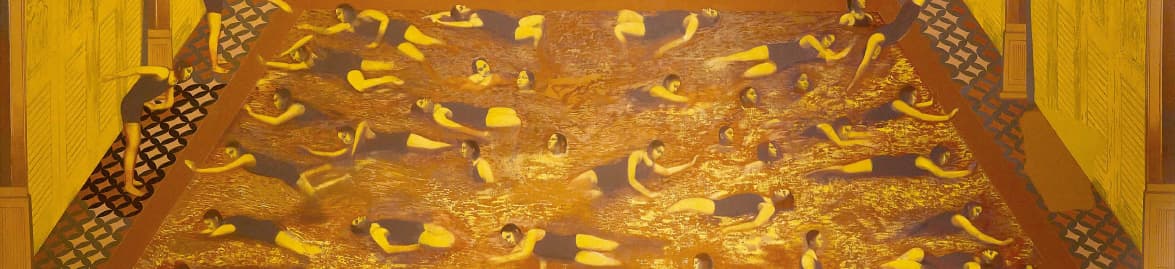
Contemporary artists in India have created a combination of works that offer an immersive experience to the viewers. These works consist of paintings, sculptures, videos, digital media, and installations. Indian contemporary artists have experimented with several mediums and themes and presented their works worldwide. Some of the most famous living contemporary Indian artists such as Atul Dodiya, Jayashree Chakravarty, Jitish Kallat, Shibu Natesan, Nataraj Sharma, Sheila Makhijani, Jagannath Panda, Nalini Malani, Valay Shende, Anish Kapoor, Sudhir Patwardhan, among others have all showcased their contemporary works across the globe and gained recognition for their art.
The history of contemporary Indian art is a rich and dynamic narrative that reflects the nation's socio-political transformations, cultural evolution and interactions with global artistic movements. Emerging prominently in the post-independence era, contemporary Indian art began to distinguish itself from traditional forms and colonial influences. Artists sought to explore new mediums, themes, and techniques, often addressing modernity, identity and the rapidly changing urban landscape.
The evolution and history of contemporary Indian art can be traced back to the formation of the Progressive Artists' Group in 1947 by the modernists. It laid the foundation for the next generation of artists to seek inspiration from the techniques introduced to them by the founders of the group which included F N Souza, S H Raza, M F Husain, K H Ara, H A Gade, S K Bakre and several others. They challenged the old traditions and emphasised experimenting with new techniques and being open to new ideas. However, it was after the disbandment of the group that contemporary art started taking shape in India.
Artists started embracing new colour palettes, bold strokes, and different mediums that intrigued viewers and collectors around the world. Through their art, they showcased India through their unique visual syntax, depicting themes such as the everyday life and struggles of common folk and the political and social issues of the country. By maintaining Indian roots in their themes, they began sharing their perspectives on several issues that served a larger purpose for the art.
The main significance of contemporary Indian art is its ability to evoke emotions and address issues that are deeply personal to the artist. Artists across India began experimenting with different materials, styles, and techniques, and exploring new ideas to depict their artistic visions
The latter half of the 20th century and the early 21st century witnessed a further diversification of contemporary Indian art. This period also saw the rise of significant art institutions and galleries, such as the National Gallery of Modern Art and the Kochi-Muziris Biennale, which provided platforms for showcasing innovative works. The global art market's increasing interest in Indian art further bolstered its prominence, positioning contemporary Indian artists as influential voices in the international art scene. The narrative of contemporary Indian art continues to evolve, reflecting the country's ongoing dialogues with tradition, modernity and global interconnectedness.
Mentioned Below Are 9 Most Popular Indian Contemporary Artists:
1) Atul Dodiya
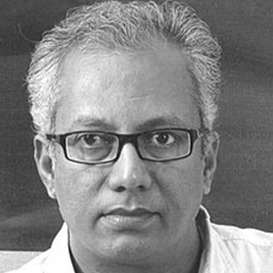
Atul Dodiya is known for his works ranging from paintings, sculptures, and works on paper in various styles. Through his art he has expressed his views on a variety of political and social issues. Although the artist's witty commentary on popular visual culture and cinema brought him mass attention. Check out his prominent work - here
2) Anish Kapoor
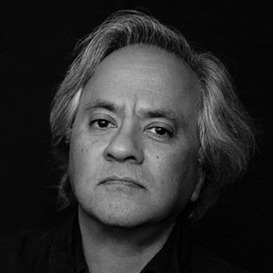
Born in 1954, in Mumbai, Anish Kapoor is a famed innovative sculptor. His works are created by utilising materials such as limestone, aluminium, marble, pigments, and plaster. The compact shapes and material choice of his artworks capture the viewer's attention. He works and lives in London and Venice. His majestic work titled 'Mountain' showcases his detailed understanding of dimension and perspective. Check out his prominent work - here
3) Bharti Kher
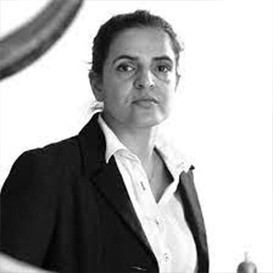
Bharti Kher's works are influenced by her own personal experiences. Born in 1969, the artist is most popularly known for her signature style utilising ‘Bindi’ as inspiration which over the years has become a central motif in her works. The artist works across various mediums such as painting, sculpture, and installation to express herself. Check out her prominent work - here
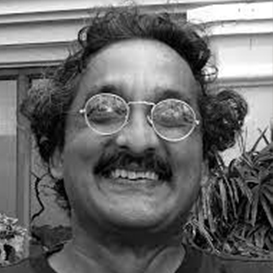
Born in 1958, in Mysore, Nataraj Sharma is an exceptional multi-media artist. His art is deeply influenced by socio-political events and his travel journeys. His work ranges from portraits, landscapes in oil and acrylic on canvas, industrial geometry, and large-scale installations. The artist works and lives in Baroda. Check out his prominent work - here
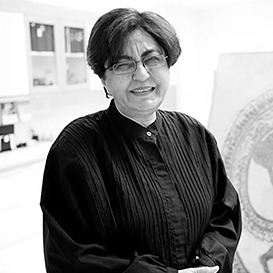
Nalini Malani, born in 1946, in pre-Independence Karachi has worked across several mediums such as painting, film, photography, video/shadow play, animation, and theatre. She utilises her art to explore themes of feminism, violence, politics, and social inequality. Malani continues to work and lives in Mumbai. Check out her prominent work - here
6) Subodh Gupta
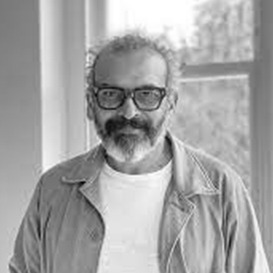
Born in 1964, Subodh Gupta has worked across a variety of mediums. He incorporates everyday objects like tin cans, lunch boxes, bicycles, and cookware to create his sculptural works. The themes surrounding his art include Indian culture, globalisation, and migration. Check out his prominent work - here
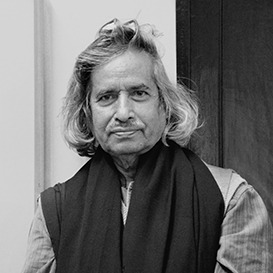
Jogen Chowdhury is renowned for his paintings in ink, water colour, pastel, and cross-hatching work. Born in 1939, in Bangladesh, the artist is a master of unbroken lines which he has utilised for various mediums. He draws influence from his cultural background of West Bengal and daily encounters. The artist presently lives and works in Santiniketan. Check out his prominent work - here
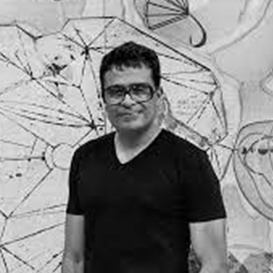
Born in 1974, Jitish Kallat's work ranges from painting, collages, photography, sculpture, installations, and multimedia works. He is greatly influenced by the city of Mumbai and the struggles faced by the common people. His works revolve around themes of everyday struggle, pain, and survival. Check out his prominent work - here
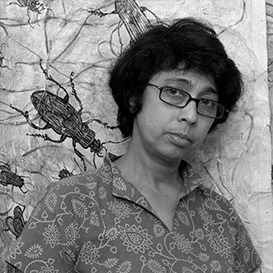
Jayashree Chakravarty is a mixed media artist. Born in 1956, in Tripura, she utilises organic materials and different kinds of paper to make her works - which are autobiographical and dream-like. Through her art, she tries to reflect on the issues surrounding the natural world. The artist works and lives in Kolkata. Check out her prominent work - here
In conclusion, the evolution of contemporary Indian art has been a rich and dynamic journey, shaped by the country's complex cultural heritage, historical events, and societal transformations. From the early 20th-century movements of the Bengal School and the Progressive Artists' Group to the present day, Indian art has continued to push boundaries, experiment with new mediums, and engage with global art trends. The significance of contemporary Indian art lies not only in its aesthetic appeal but also in its ability to reflect and comment on the country's social, political, and economic realities.
As Indian art continues to evolve, it is essential to recognise and celebrate its unique contributions to the global art world, while also acknowledging the challenges and opportunities that lie ahead. Ultimately, the story of contemporary Indian art is one of resilience, creativity, and the enduring power of art to shape our understanding of ourselves and the world around us.